
Aerospace & Defense Facility Roofing in El Paso, TX
Commercial Roofers of El Paso handles aerospace & defense facility roofing in el paso, tx with a roof walk, photo notes, repair priorities, and a clear plan for maintenance, recovery, coating, or replacement.
Aerospace & Defense Facility Roofing Scope Notes
Commercial roofing for aerospace and defense facilities in El Paso, TX operates under a different set of constraints than standard commercial work. Facilities tied to active weapons programs, aircraft production, national laboratories, or military installations carry access control requirements, security clearance protocols for onsite supervisors, and coordination with facility security officers before a single material lift is scheduled. Our crews understand that requirement — and we build it into every bid, schedule, and site plan.
Fort Bliss's sprawling installation — encompassing thousands of structures from barracks to ADA training facilities and aviation maintenance hangars — generates one of the Southwest's largest sustained military roofing markets, in an extreme desert UV and thermal environment.
The roofing systems on aerospace and defense structures carry stakes beyond weather protection. A failure over an active manufacturing floor — whether that means a fighter jet assembly line, a missile guidance lab, or a satellite integration cleanroom — can trigger production shutdowns, contaminate precision components, or compromise facility certifications. The zero-tolerance standard these clients apply to their primary mission is the same standard we apply to the roof above it.
Our defense and aerospace roofing work includes planned replacement, emergency roof repair under time-critical operational constraints, and new construction roofing for facility expansions. We carry the insurance coverage, bonding capacity, and documented quality procedures that federal facility managers and prime contractor subcontract teams require. When a facility expansion schedule is tied to a DOD delivery milestone, "we'll get to it" is not a close-out answer — we staff to the schedule and document every phase.
Aerospace & Defense Roofing Questions
Can your crews work on federal installations or DoD facilities?
Yes. We work with facility security officers to complete the necessary base access credentialing for our crew members. Lead time for clearance varies by installation — we factor it into the project schedule upfront rather than discovering it during mobilization.
What documentation do you provide for defense or government facility work?
We provide full prevailing wage certified payroll (if applicable), material submittals for spec compliance, daily logs, third-party inspection coordination, LEED or sustainability documentation if required, and a final warranty package formatted for federal facility records systems.
How do you handle active operations during a roofing project on a facility that can't shut down?
We develop a phased work plan with the facility manager and base operations officer — sectioning the roof into work zones, maintaining dry-in protection on any open sections, and scheduling loud or disruptive work during approved windows. Our pre-construction checklist includes noise, vibration, dust, and chemical exposure considerations for every zone adjacent to active operations.
Do you work on classified facilities?
We work on the building envelope — roofs, walls, and flashings — which in most cases does not require classified access. For facilities where roof access itself requires a clearance, we identify that requirement early and work with the government contracting officer to plan accordingly.
What roof systems are best suited for defense manufacturing and laboratory environments?
TPO and PVC membrane systems are most common for new and re-roofing work due to their resistance to chemical splash and UV degradation. Standing seam metal is preferred on high-bay structures where long-term performance and minimal maintenance are prioritized. We always match the system to the specific exposure — a satellite integration cleanroom has different requirements than a motor pool.
Commercial roofing for aerospace and defense facilities in El Paso, TX — Fort Bliss — The Army's Largest Air Defense Artillery Center.
Local Roof Context
El Paso occupies a unique position in the North American data center landscape. Fort Bliss, one of the largest military installations in the United States, hosts significant computing and communications infrastructure that supports Army operations, training simulation systems, and logistics data management for a facility covering over a million acres. The border location also places El Paso at the intersection of cross-border data and communications traffic between the US and Mexico, with telecom infrastructure serving the World Trade Bridge corridor and the NAFTA/USMCA trade flows that make Juarez-El Paso one of the busiest freight crossing points on the continent. Data center roofing in this market must be designed for an extreme environment that differs fundamentally from the conditions faced by most US commercial roofing contractors.
El Paso's climate is the defining factor in data center roofing specification here. The city sits at 3,700 feet elevation in the Chihuahuan Desert, producing an environment with extreme diurnal temperature swings, intense UV radiation, very low humidity, and powerful wind events. Summer rooftop surface temperatures on a dark membrane can exceed 175°F, creating thermal stress cycles that degrade membrane materials far more rapidly than in temperate climates. Reflective white membranes are not merely a sustainability preference in El Paso — they are an engineering requirement for roofing longevity. A black or gray membrane surface in El Paso's summer sun will experience thermal expansion and contraction cycles that compress decades of wear into just a few years of service. Cool roof specifications are standard practice for any data center project in this market.
Fort Bliss's computing facilities present security and access requirements that add a layer of complexity to data center roofing projects not encountered in the commercial sector. Contractors working on military installation facilities must comply with DOD contractor access requirements, which include background check processing times that can add months to project planning timelines. All personnel working on Fort Bliss facilities must be cleared through the base's contractor vetting process, and work must be sequenced around the installation's operational schedule. Roofing contractors seeking to serve this market must invest in the administrative infrastructure to manage security compliance and plan for the longer lead times that base access requirements impose on project schedules.
The border region's role in US-Mexico trade creates data center demand that is tied to logistics and supply chain computing rather than consumer or enterprise IT. Distribution centers, customs clearance systems, and cross-border logistics platforms all require computing infrastructure, and that infrastructure is concentrated in the corridors immediately north of the major border crossings. Buildings in this zone are typically large-footprint, low-slope industrial structures that were designed primarily for logistics rather than IT, and many have been converted or retrofitted to accommodate data center modules as the region's computing needs have grown. Roofing contractors working on these conversions must address the legacy condition of industrial roofing systems that were specified for warehouses and adapt them to the higher performance requirements of data center occupancies.
UV degradation is the primary membrane aging mechanism at El Paso data centers. Standard commercial roofing warranties are written for conditions that don't include the UV intensity of a West Texas desert location at elevation. Contractors specifying roofing systems for El Paso data centers should evaluate the UV resistance data for any membrane they consider, look for systems with formulations specifically designed for high UV environments, and discuss with manufacturers whether standard warranty terms apply in this climate or whether special provisions are required. Silicone-coated systems and some PVC membranes offer superior UV resistance compared to standard TPO formulations and have gained market share in the Southwest desert data center market for this reason.
Wind is the second major environmental challenge for El Paso data center roofs. The city is regularly affected by strong spring wind events driven by pressure gradients across the desert Southwest, with sustained winds and gusts that can exceed 60 mph. These events stress membrane edge attachments, penetration flashings, and any rooftop equipment that presents a significant wind profile. Data center cooling equipment — particularly cooling towers and air handling units — acts as a wind sail that transfers significant horizontal force to the roof structure and the roofing membrane beneath equipment mounting curbs. Roofing systems for El Paso data centers should be designed and tested to FM 1-120 or higher wind uplift ratings at edges and corners, with particular attention to the transition details around rooftop equipment curbs.
The low-humidity environment of El Paso simplifies vapor management compared to most US data center markets but introduces a different consideration: the risk of excessive moisture extraction from the building interior during the extremely dry winter and spring periods. Data center interiors are maintained at controlled humidity to protect computing equipment, and in an environment as dry as El Paso's, the vapor drive from inside to outside can be significant during winter months. The vapor retarder placement and permeability specification must account for this winter-direction vapor drive as well as the standard summer considerations. A hygrothermal analysis using El Paso-specific climate data should be part of the roofing design process for any data center project in this market.
Data center construction activity in El Paso is expected to continue growing as the region's role in cross-border commerce and military logistics computing expands. West Texas's low land costs, the availability of power from the ERCOT grid, and proximity to Mexico's growing manufacturing and IT sectors all support continued investment in regional data center infrastructure. Commercial roofing contractors who develop expertise in desert climate roofing specifications — including UV-resistant membrane selection, extreme wind uplift design, and military facility access compliance — will be well-positioned to capture a growing share of this market as El Paso's digital infrastructure footprint expands over the coming decade.
Related Roof Paths
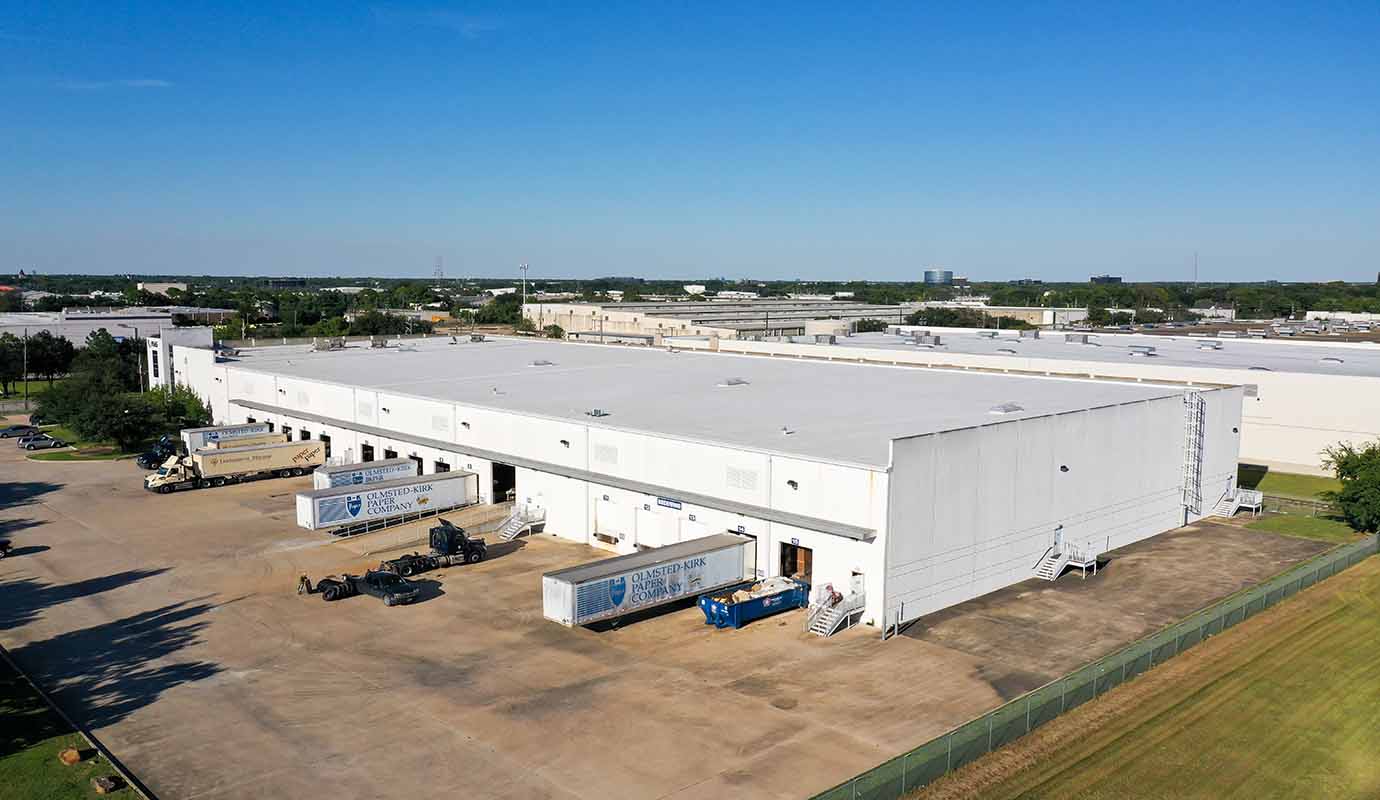
Commercial Real Estate and REITs
Commercial Real Estate and REITs support keeps roof access, tenant timing, documentation, and operating risk in view before the roof scope is finalized.
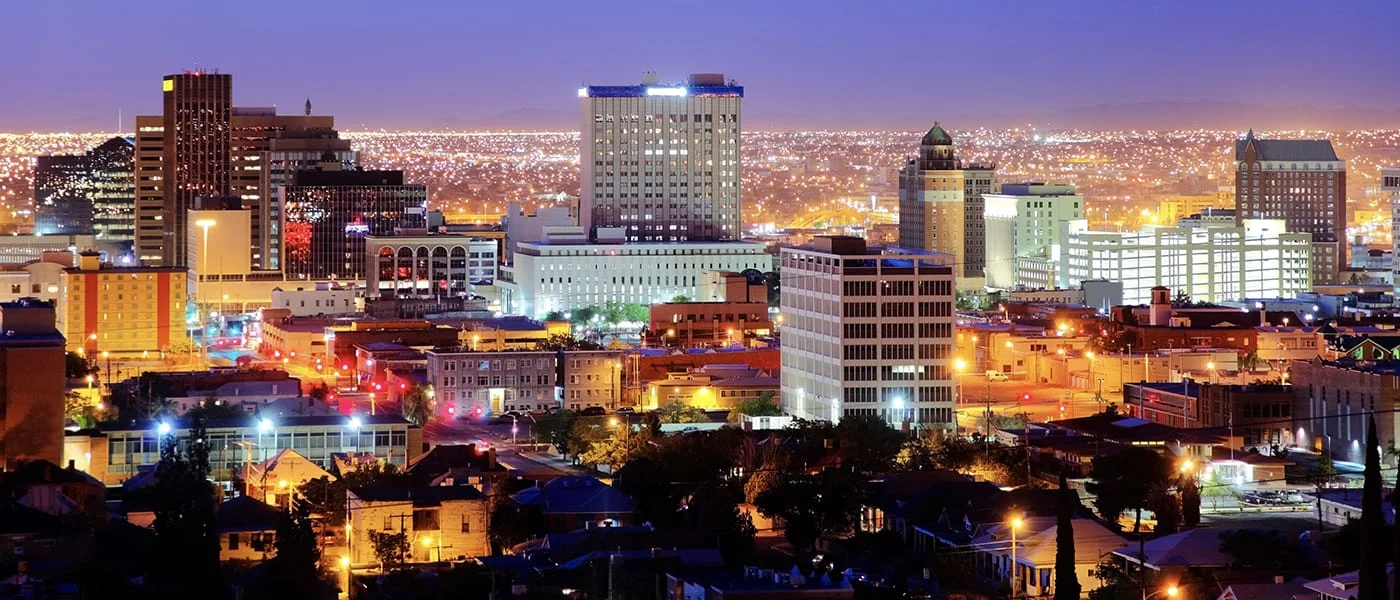
Data Center Roofing in El Paso, TX
Data Center Roofing in El Paso, TX support keeps drainage paths, membrane age, documentation, and operating risk in view before the roof scope is finalized.
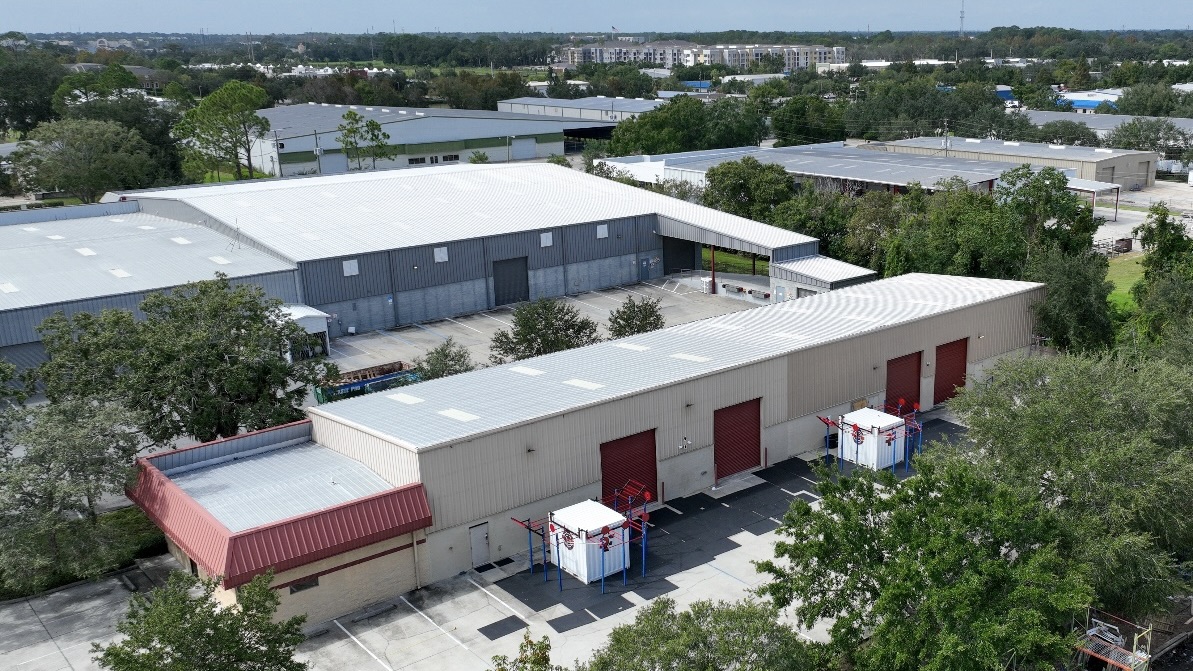
Commercial Roof Inspection in El Paso, TX
Commercial Roof Inspection in El Paso, TX starts with storm history, repair records, and drainage paths so the recommendation is tied to what the roof is showing.