
Industrial Flex Space Roofing in El Paso, TX
Commercial Roofers of El Paso handles industrial flex space roofing in el paso, tx with a roof walk, photo notes, repair priorities, and a clear plan for maintenance, recovery, coating, or replacement.
Industrial Flex Space Roofing Scope Notes
A flex building's roof is defined by everything that gets bolted to it after it is built. One bay is a machine shop, the next is a distribution suite, the one after that is an office-and-lab build-out — and every tenant that moves in cuts the membrane for its own HVAC, its own electrical, its own exhaust. By the time you walk an older flex roof it is a patchwork of penetrations nobody fully documented. El Paso is full of these buildings, lined up along the Northeast industrial parks, the Vista del Sol and Eastside light-industrial corridors, the airport submarket near Global Reach Drive, and the cross-border logistics tilt-walls feeding the ports of entry. We roof them for what they actually are: low-slope decks carrying a constantly changing load of tenant modifications.
Penetrations are the whole story
A single-user warehouse roof has a known, planned set of openings. A multi-tenant flex roof does not. Years of tenant improvements add rooftop units, condensers, vent stacks, gas lines, and conduit chases, much of it installed by whoever the tenant hired, much of it never recorded on the building drawings. Every one of those is a potential leak. So before we price or touch a flex roof we walk it and inventory it — photographing and mapping every penetration, checking each one against the original plans where they exist, and flagging the homemade or poorly sealed ones for proper detailing. That survey is not busywork; it is the difference between a roof that holds and a warranty fight a year later over a curb we never accounted for.
The right system for a deck that keeps changing
Coordinating a roof over many tenants at once
The hard part of flex roofing is rarely the roofing — it is the choreography. Different leases, different hours, different tolerance for noise and HVAC downtime, all under one membrane. We start from a bay-by-bay occupancy map and contact list from property management, identify which units have live rooftop equipment and which bays sit empty, and sequence the work so a tenant running a production shift is not losing cooling at the wrong moment. Tenants get advance notice, but the communication runs through the property manager, not a dozen separate conversations on the roof. Each section is dried in daily so no tenant is ever left exposed overnight.
Vacancy and turnover are when flex roofs fail
The riskiest moment for a flex roof is a lease transition. When a tenant pulls out and its rooftop units come off, the open curbs get capped with whatever temporary cover is handy — and that cover rarely survives the first real monsoon burst off the Franklins. Vacant bays also collect blown desert debris far faster than occupied ones, and a silted drain over an empty suite floods quietly because nobody is underneath to notice the ceiling. On any turnover inspection we confirm every abandoned curb is properly closed, verify former-tenant penetrations are permanently sealed rather than taped over, and clear the drains before the next storm tests them.
Built for the El Paso sky and priced for a portfolio
The membrane has to take 300-plus days of high-desert sun and the hard, brief monsoon downpours of late summer, so we default to white reflective single-ply that meets the regional cool-roof requirement and size drainage and overflow for the burst rather than the small annual total. For owners and managers running more than one building, we deliver standardized condition reports across the portfolio so capital planning is based on real roof data, not a guess, and reroofs can be staged across properties on a budget that makes sense.
Protecting the warranty when the next tenant cuts the roof
The hidden trap in flex roofing is the warranty. We can install a flawless new membrane, and six months later an incoming tenant's HVAC contractor cuts a fresh penetration with no idea a roof warranty exists — and now the manufacturer can walk away from the whole roof over one uncoordinated curb. We head that off by registering the warranty correctly, documenting the as-built penetration set at closeout, and giving the property manager a simple rule to enforce: any rooftop work by a tenant or their subcontractor routes through us or a warranty-authorized installer. That one piece of coordination is what keeps a twenty-year warranty from quietly dying in year one, and it is exactly the kind of detail single-tenant roofs never have to think about.
Industrial Flex Space Roofing Questions
Why do you inventory every penetration before quoting?
Because flex roofs accumulate years of undocumented tenant modifications, and any one of them can leak. We photograph and map every penetration, check it against the original plans, and flag the poorly sealed ones for proper detailing so they do not turn into a warranty dispute later.
What membrane is best for a multi-tenant flex building?
For tilt-wall and concrete, mechanically attached 60-mil TPO over polyiso is the cost-effective standard. With dense rooftop equipment or heavy service-crew traffic, we move up to 80-mil TPO or fully adhered PVC for better puncture and traffic resistance.
How do you coordinate work across tenants on different schedules?
We start from an occupancy map and contact list from property management, identify live rooftop equipment and vacant bays, and sequence the work around production hours. Tenants get notice through the property manager, and each section is dried in daily.
What should I check when a tenant moves out?
That every removed unit's curb is permanently closed, that old penetrations are properly sealed rather than taped, and that the drains are clear. Vacant bays silt up and leak quietly, so turnover is exactly when to inspect.
Do you handle standing-seam metal flex buildings?
Yes. We evaluate a standing-seam retrofit or silicone-coated metal recover against full replacement based on panel condition, purlin spacing, and load capacity, and install whichever the building actually needs.
Related Roof Paths
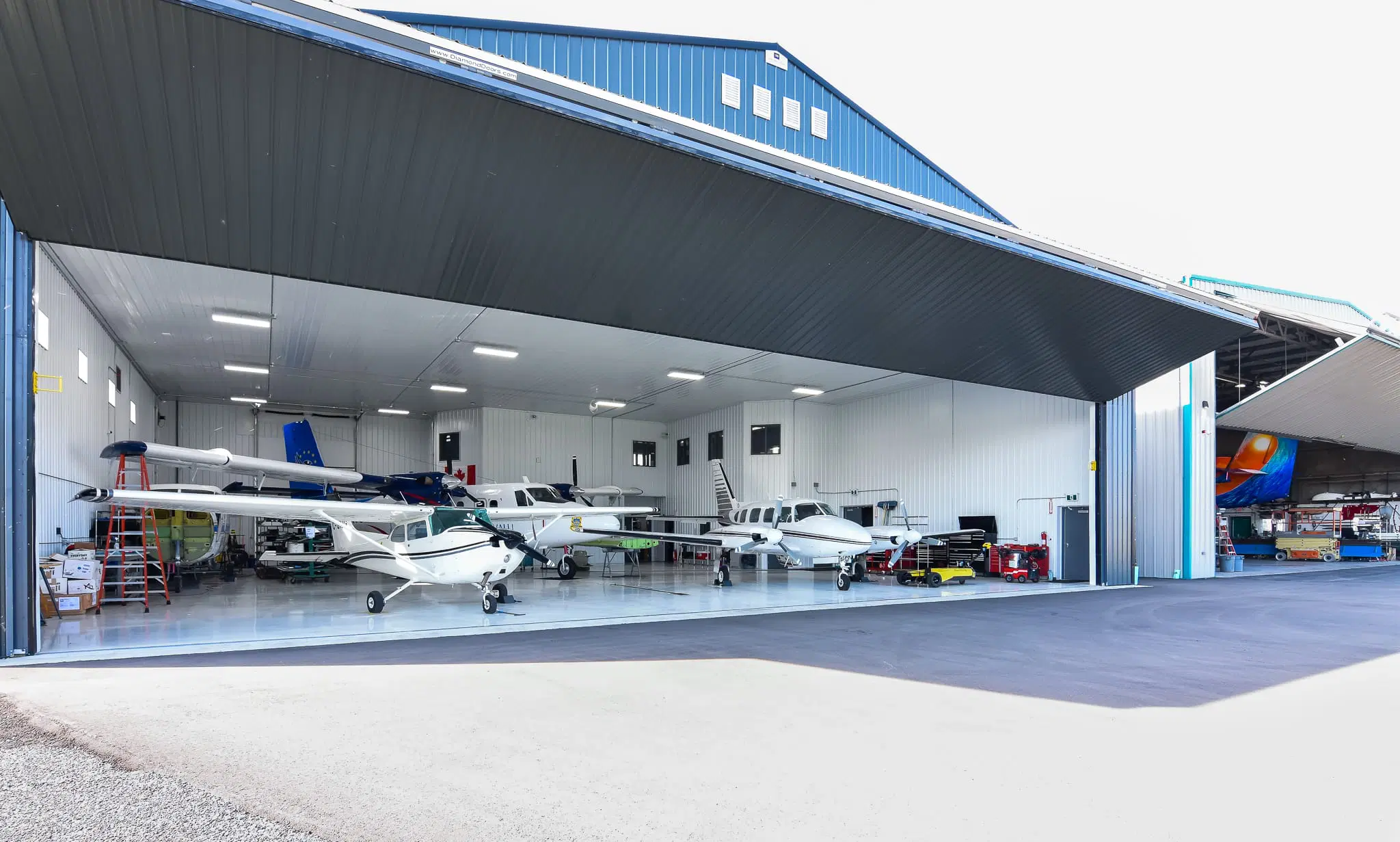
Airport Terminal & Aviation Facility Roofing in El Paso, TX
Airport Terminal & Aviation Facility Roofing in El Paso, TX roof work is planned around heat exposure, drainage paths, rooftop equipment, and operating hours that affect access and disruption.
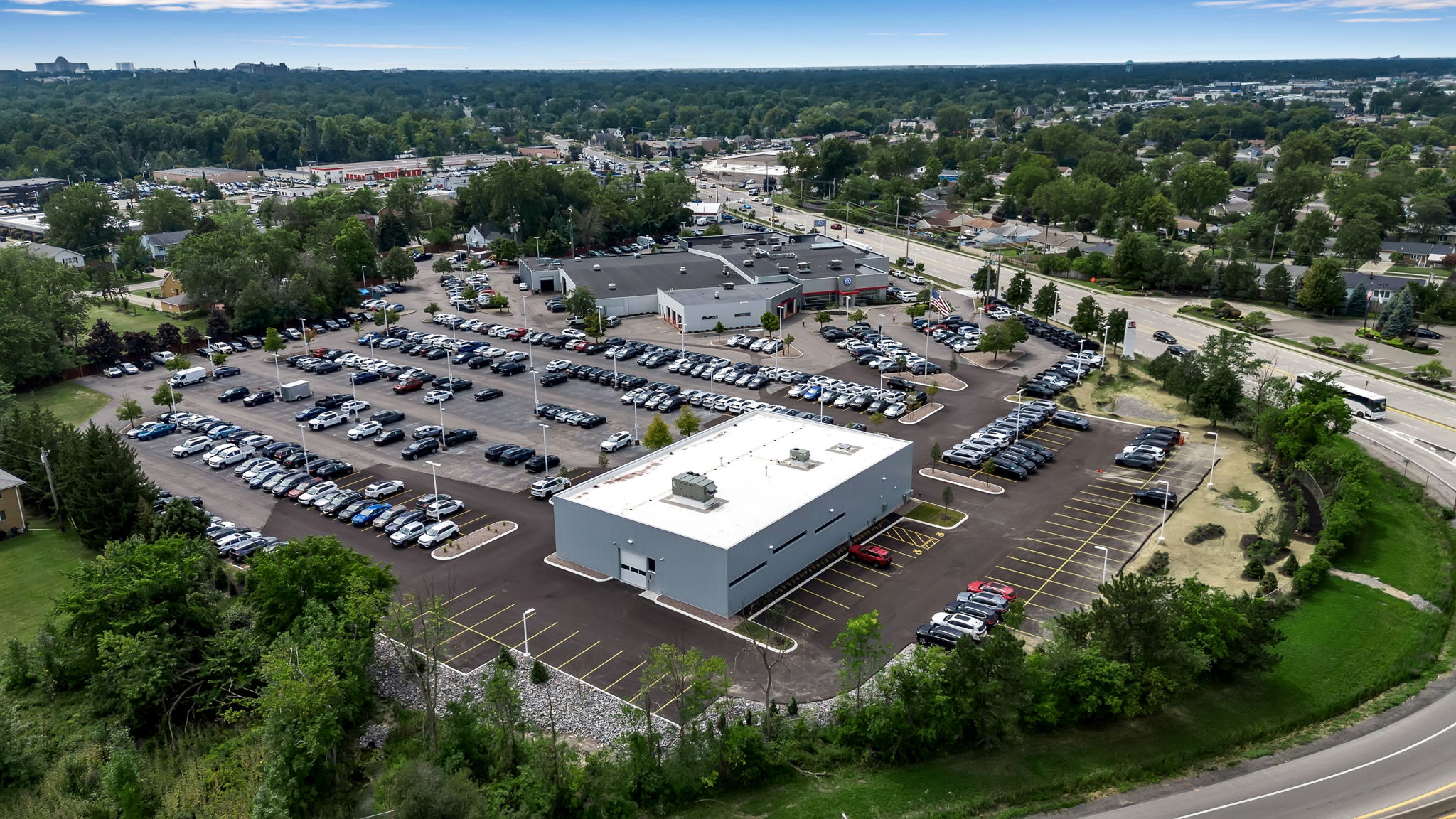
Auto Dealership Roofing
Auto Dealership Roofing roof work is planned around roof access, tenant timing, rooftop equipment, and operating hours that affect access and disruption.
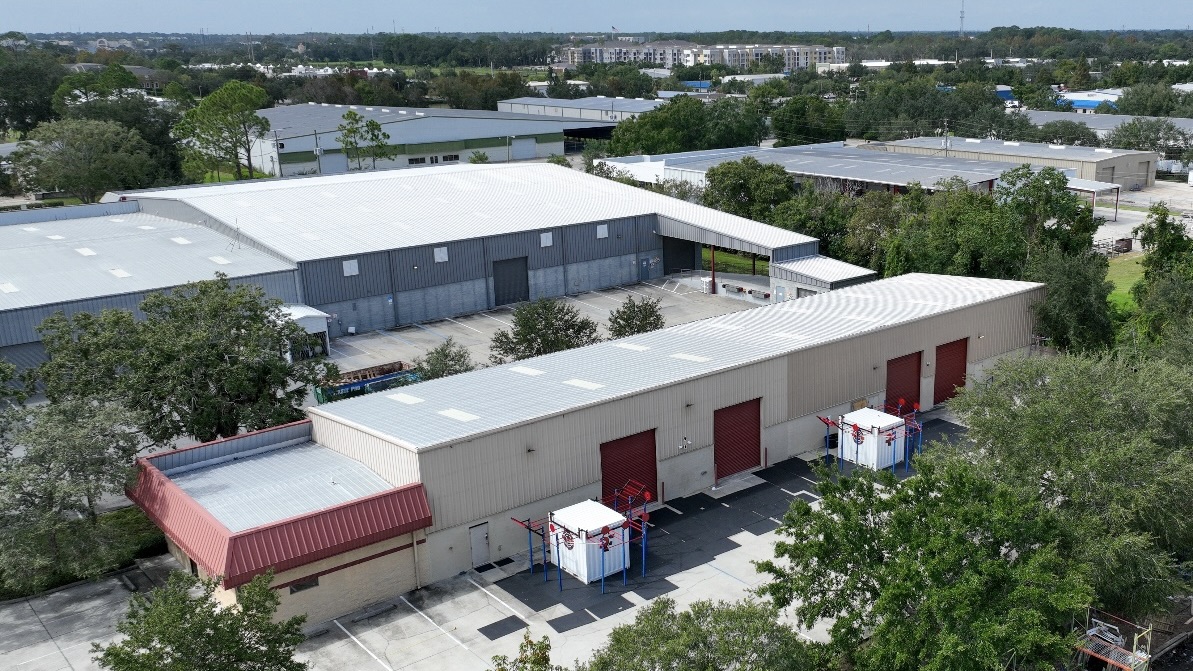
Commercial Roof Inspection in El Paso, TX
Commercial Roof Inspection in El Paso, TX starts with storm history, repair records, and drainage paths so the recommendation is tied to what the roof is showing.