
Hotel and Hospitality Property Roofing in El Paso, TX
Commercial Roofers of El Paso handles hotel and hospitality property roofing in el paso, tx with a roof walk, photo notes, repair priorities, and a clear plan for maintenance, recovery, coating, or replacement.
Hotel and Hospitality Property Roofing Scope Notes
Commercial roofing scope for multi-ply asphalt roofs, gravel surfacing, core cuts, and repair-versus-replacement decisions.
Local Roof Context
El Paso's hotel market occupies a singular position in the American Southwest — it serves the largest binational metropolitan area on the Texas-Mexico border, drawing business travelers connected to international trade and manufacturing, medical tourism visitors accessing Juárez and El Paso healthcare facilities, Fort Bliss military and civilian personnel, and a leisure travel population drawn by the Franklin Mountains State Park, the Border Patrol Museum, and the distinctive culture of the Sun City. The hotel inventory ranges from full-service convention properties downtown near the El Paso Convention Center to extended-stay and select-service brands along the I-10 corridor and the Northeast El Paso growth zone, and across all of these property types, the harsh Chihuahuan Desert climate imposes a roofing environment unlike anything in other Texas markets.
El Paso's desert climate is characterized by intense solar radiation, extremely low humidity, and dramatic daily temperature swings that can exceed 40 degrees Fahrenheit between overnight lows and afternoon highs. These thermal swings impose a mechanical stress cycle on roofing membranes that is more rapid and more sustained than what hotel properties experience in humid climates, where cloud cover and moisture moderate temperature extremes. TPO and PVC membranes with UV-stabilized formulations and heat-welded seams are the appropriate specification for El Paso hotel roofs, as these systems resist the photo-oxidation and thermal fatigue that cause adhesive-bonded seam systems to fail prematurely in high-UV desert exposure. Dark-surfaced membranes are particularly inappropriate in this market given the extreme surface temperatures they reach on summer afternoons.
Fort Bliss, one of the largest military installations in the United States, generates enormous and consistent hotel demand in the El Paso area. Properties along Montana Avenue, Airway Boulevard, and the Northeast El Paso suburban corridors serve a mix of military families visiting during training cycles, Department of Defense contractors, and permanent party families seeking extended accommodations during permanent change of station moves. Extended-stay properties in these corridors — Candlewood Suites, TownePlace Suites, and similar brands — serve guests who stay for months at a time and develop a thorough familiarity with every aspect of the property's condition. A roof leak that causes even minor interior moisture problems in a room occupied by a military family for three months generates formal complaints through both the brand channel and the military lodging feedback system that installation command monitors.
El Paso's international trade and manufacturing economy creates demand from maquiladora executives, US-Mexico logistics professionals, and legal and financial service providers whose offices span both sides of the border. Full-service hotels near the El Paso International Airport and the downtown bridges to Ciudad Juárez cater to this business traveler population, and the expectation of well-maintained properties is reinforced by the sophisticated travel experience these guests accumulate through frequent cross-border business travel. Deferred roofing maintenance that shows up as water stains, cracked ceiling tiles, or compromised room sealing from failed parapet details does not go unnoticed by this guest segment.
El Paso's monsoon season, which runs from roughly late June through mid-September, transforms the roofing risk profile for the city's hotel properties. The Chihuahuan Desert receives most of its annual precipitation in concentrated afternoon and evening thunderstorm events during this window, and rainfall intensities during active monsoon cells can exceed two inches per hour — a rate that overwhelms the drainage capacity of hotel roofs designed for normal precipitation patterns. El Paso hotel owners who have not upgraded drain capacity to accommodate these concentrated events often discover post-storm ponding that stresses membrane seams and can, in severe cases, accumulate enough weight to raise structural concerns. Adding overflow scuppers at the lowest points on each roof level is one of the most cost-effective monsoon preparation steps for hotels with marginal original drainage capacity.
Wind is a year-round consideration for El Paso hotel roofing, as the Franklin Mountains channel and accelerate prevailing winds through specific corridors of the city. Properties on elevated sites and along the mountain pass corridors can experience sustained wind speeds and gusts that stress ballasted membrane systems and flap unsealed membrane edges with enough force to initiate a progressive peeling failure. Fully adhered membrane installations with mechanical fastening at perimeter and corner zones provide far greater wind uplift resistance than loose-laid or partially ballasted systems, and enhanced perimeter fastening patterns — specified to meet or exceed FM 1-90 wind uplift criteria for El Paso's wind exposure zone — are appropriate for hotel properties in exposed locations.
The area around the UTEP campus and the Borderland communities serves a mix of academic visitors, parents attending graduation and homecoming events, and the growing biomedical and research community associated with the UTEP health sciences programs. Hotels in this area experience occupancy spikes around UTEP football games at Sun Bowl Stadium, graduation ceremonies, and the annual Sun Bowl college football game, which draws fans from across the country and fills the El Paso market to capacity for several days around Christmas. Any roofing project at hotels near UTEP needs to be completed well before the December Sun Bowl window, as the event brings intense media and guest scrutiny to the property condition of El Paso's hospitality inventory.
Ballroom and meeting space roofing on El Paso convention hotels faces a specific challenge from the region's occasional dust storms, known locally as haboobs, which push fine particulate matter through any gap in building envelope seals and can introduce dust-laden moisture into roof assemblies through improperly sealed penetrations and termination bars. While dust infiltration is primarily an air quality and housekeeping concern for guest rooms, the moisture carried by dust-laden wind events can accelerate degradation of adhesive bonds in roofing assemblies when it repeatedly contacts poorly sealed seam edges. Ensuring that all membrane termination edges are covered with appropriate counterflashing and that no open seam edges are exposed at termination bars is particularly important in El Paso's dust storm environment.
El Paso hotel operators benefit from establishing their roofing maintenance schedule on an October-to-October cycle that captures the end of monsoon season and prepares the roof for the drier but still thermally demanding winter period. Inspections in late September or early October assess any damage or drainage issues from the monsoon period, allow for repairs before winter wind events, and produce a documented condition record that supports both brand compliance conversations and property insurance renewal discussions. Contractors who understand El Paso's specific climate challenges — monsoon drainage, desert UV exposure, wind uplift in mountain corridor locations, and dust storm infiltration — provide maintenance assessments that address the actual risk factors in this market rather than applying generic national inspection protocols.
Related Roof Paths
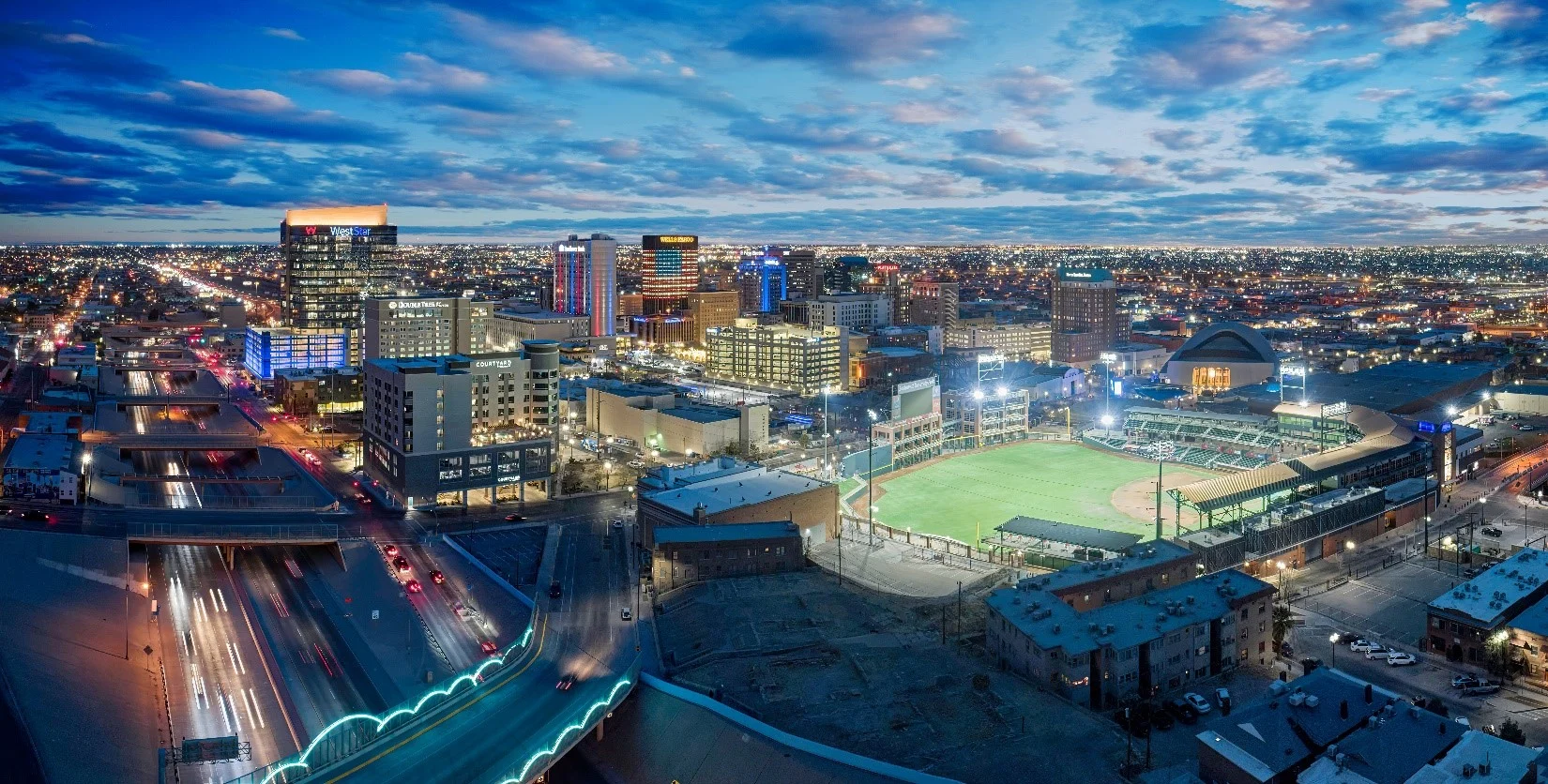
Auto Dealership Roofing in El Paso, TX
Auto Dealership Roofing in El Paso, TX starts with heat exposure, drainage paths, and storm history so the recommendation is tied to what the roof is showing.
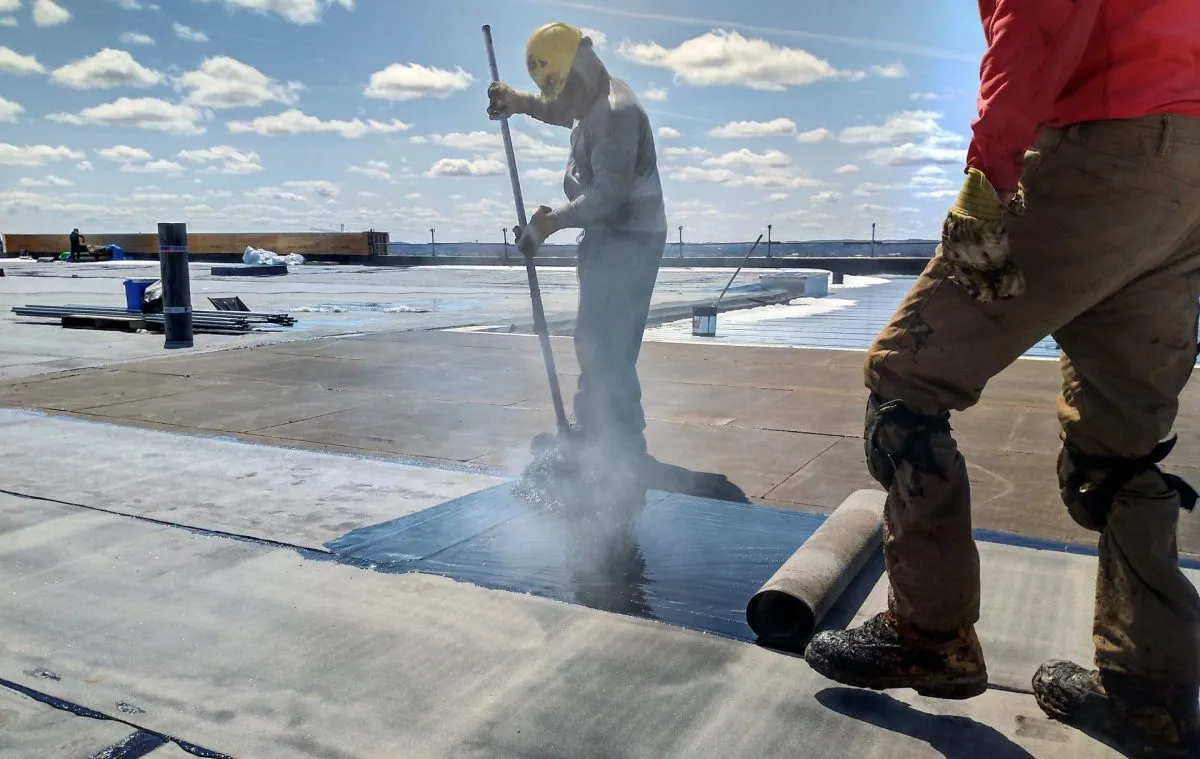
Built-Up Roofing in El Paso, TX
Built-Up Roofing in El Paso, TX starts with roof access, tenant timing, and equipment clearances so the recommendation is tied to what the roof is showing.
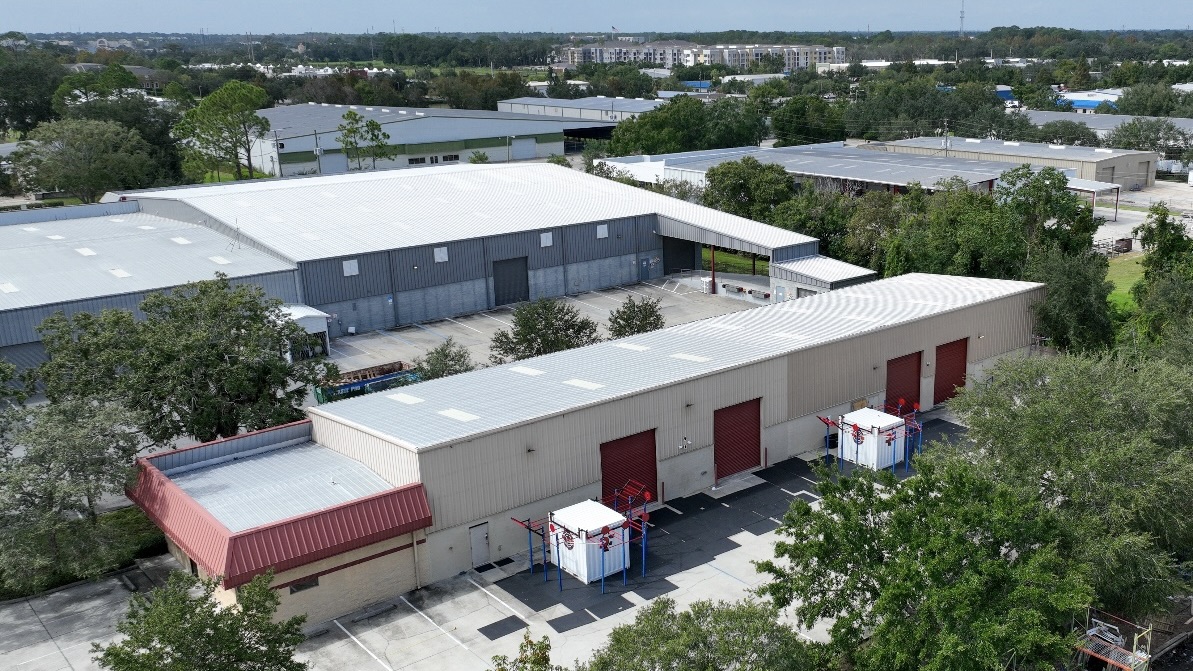
Commercial Roof Inspection in El Paso, TX
Commercial Roof Inspection in El Paso, TX starts with storm history, repair records, and drainage paths so the recommendation is tied to what the roof is showing.