
Mixed-Use Development Roofing in El Paso, TX
Commercial Roofers of El Paso handles mixed-use development roofing in el paso, tx with a roof walk, photo notes, repair priorities, and a clear plan for maintenance, recovery, coating, or replacement.
Mixed-Use Development Roofing Scope Notes
Commercial roofing scope for multi-ply asphalt roofs, gravel surfacing, core cuts, and repair-versus-replacement decisions.
Local Roof Context
El Paso's rapid expansion along the Mesa Hills corridor and the redevelopment happening around the downtown Union Plaza district have brought a new generation of mixed-use buildings to a city that once relied almost entirely on single-story commercial strips. These projects — ground-floor retail defined by coffee shops and local eateries, with one to four floors of apartments or offices stacked above — demand roofing systems that perform across wildly different occupancy demands. A residential tenant on the fourth floor expects silence and a dry ceiling; the boutique retailer two floors down needs a watertight envelope at the parapet that separates their sprinklered ceiling from the mechanical penthouse above. Getting both right at the same time is the defining challenge of commercial roofing on mixed-use structures in the Sun City.
The Chihuahuan Desert climate imposes conditions that are easy to underestimate. El Paso logs fewer than nine inches of annual rainfall, but the monsoon season from July through September delivers that moisture in intense, localized bursts. A flat TPO membrane that drains adequately during a gentle spring shower can pond catastrophically when two inches fall in forty minutes during a late-August storm. In mixed-use buildings near the UTEP campus or along the Kern Place commercial zone, the consequence of that ponding is not just membrane degradation — it is water migrating through the structural deck and into occupied apartments. Roof designs in El Paso must incorporate internal drains with overflow scuppers sized for 100-year storm events, not the modest precipitation data that shapes roof drainage in wetter climates.
Thermal cycling is equally punishing. Summer rooftop surface temperatures routinely exceed 170 degrees Fahrenheit, while winter nights can drop below freezing. Mixed-use buildings in El Paso's booming North Hills area experience this cycling at roof assemblies that span transitions between retail HVAC curbs, residential exhaust stacks, and elevator penthouses — each of which creates a thermal bridge and a potential failure point. Contractors who specify a single-ply system without accounting for the differential movement at these penetrations tend to see failures within three to five years. Properly detailed flashing at every curb, with two-stage seals and flexible boot extensions, is non-negotiable.
The mixed-use projects rising along El Paso's streetcar corridor near the historic Sunset Heights neighborhood frequently incorporate rooftop amenity decks to attract renters willing to pay a premium for urban living. These decks require a protected membrane assembly — typically a two-ply modified bitumen base beneath a walking surface of pavers set on pedestals — that keeps the waterproofing layer accessible for inspection while bearing the live loads of furniture, planters, and congregating residents. Slope-to-drain beneath the paver field is critical; without it, water pools under the pavers and slowly works through membrane laps that were never designed for constant saturation.
Managing multiple stakeholders is one of the least-discussed complexities of reroofing an occupied mixed-use building in El Paso. The ground-floor commercial tenant association, the residential owners' association, the building management company, and any hotel operator sharing the structure all have different priorities and different tolerances for disruption. Scheduling torch-applied modified bitumen work when retail tenants are closed means working before 8 a.m. or after 9 p.m. — which creates its own challenges with crew fatigue and quality control. A phased re-roofing plan that sequences work by roof section, with temporary waterproofing at transitions between completed and uncompleted areas, is the only approach that keeps everyone operational.
Fire-rated roof assemblies are not optional in El Paso's mixed-use buildings regardless of building height. When the occupancy above a retail space is residential — as it is in the vast majority of developments near the Five Points and Segundo Barrio neighborhoods — the assembly must meet the fire separation requirements of IBC Chapter 7, including hourly ratings at structural connections and non-combustible sheathing beneath roofing layers. Some developers attempt to value-engineer around Class A fire ratings by substituting unlisted assemblies, but El Paso's building department reviews roofing submittals carefully, and unlisted assemblies can trigger stop-work orders that cost far more than the material savings.
Green roof systems have found limited but growing application in El Paso's mixed-use market, particularly in projects seeking LEED certification or appealing to sustainability-conscious tenants near the UTEP innovation district. The desert climate creates real challenges for extensive vegetated roofs — evapotranspiration rates are enormous, and supplemental irrigation systems become a permanent building operating expense. Some developers have had success with succulent-based extensive systems using native Chihuahuan Desert plant palettes, which survive without supplemental water once established. These systems provide meaningful stormwater attenuation during monsoon events and reduce rooftop temperatures, which lowers cooling loads for the upper-floor residential units.
Noise isolation is a practical concern during any occupied reroofing project in El Paso's denser mixed-use corridors. Tear-off of existing ballasted EPDM systems — common on 1990s-era buildings along Texas Avenue — generates significant vibration transmitted through the structural deck to occupied spaces below. Setting explicit noise windows in the construction contract, with liquidated damages for non-compliance, protects tenants and gives the contractor a clear operating framework. Low-vibration tear-off equipment and mechanical fastening patterns that minimize deck contact can reduce impact sound by 30 to 40 percent compared to conventional methods.
Long-term maintenance on El Paso's mixed-use roofs requires a documented inspection program that addresses the full range of roof areas — primary membrane fields, rooftop deck waterproofing, mechanical equipment curbs, parapet caps, and interior drains. The annual monsoon season is the natural trigger for pre-season inspections in late June and post-season inspections in October. Buildings that establish this cadence tend to catch failing lap seams and cracked counter-flashings before they become occupied-space water damage claims. For property owners managing multiple mixed-use assets in El Paso's growing portfolio of urban infill development, a standardized inspection protocol applied consistently across the portfolio dramatically reduces emergency repair costs.
Related Roof Paths

Auto Dealership Roofing in El Paso, TX
Auto Dealership Roofing in El Paso, TX starts with heat exposure, drainage paths, and storm history so the recommendation is tied to what the roof is showing.
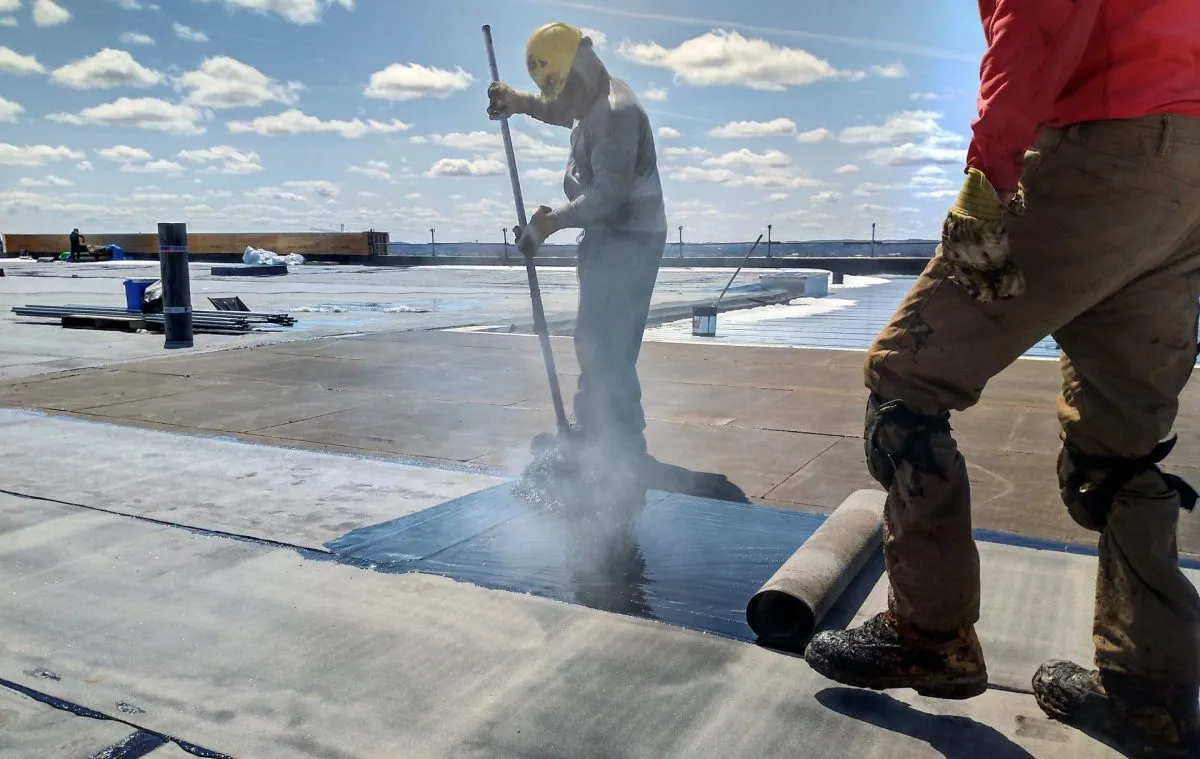
Built-Up Roofing in El Paso, TX
Built-Up Roofing in El Paso, TX starts with roof access, tenant timing, and equipment clearances so the recommendation is tied to what the roof is showing.
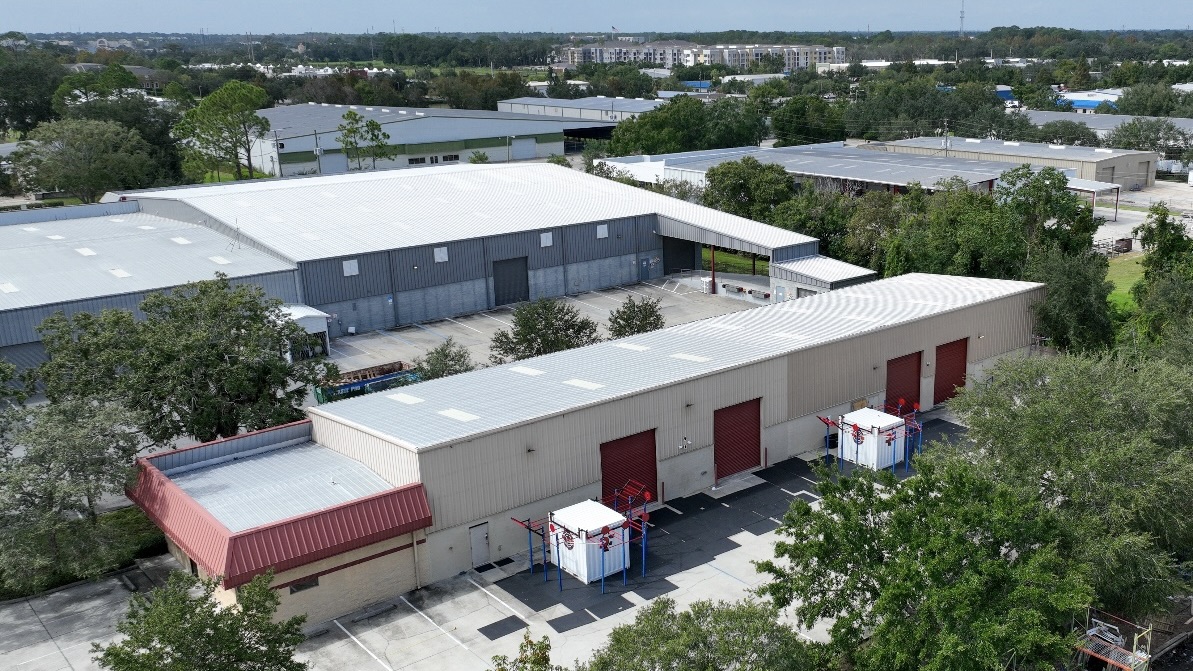
Commercial Roof Inspection in El Paso, TX
Commercial Roof Inspection in El Paso, TX starts with storm history, repair records, and drainage paths so the recommendation is tied to what the roof is showing.