
Restaurant and Food Service Building Roofing in El Paso, TX
Commercial Roofers of El Paso handles restaurant and food service building roofing in el paso, tx with a roof walk, photo notes, repair priorities, and a clear plan for maintenance, recovery, coating, or replacement.
Restaurant and Food Service Building Roofing Scope Notes
Commercial roofing scope for multi-ply asphalt roofs, gravel surfacing, core cuts, and repair-versus-replacement decisions.
Local Roof Context
El Paso's restaurant economy runs on two distinct tracks: the dense Tex-Mex and Mexican food culture rooted in neighborhoods from the Lower Valley to the Upper Valley, and the fast-growing QSR and fast-casual corridors expanding along I-10 and the Loop 375 development zones. Both tracks mean active commercial kitchens operating under flat roofs in one of the most climatically demanding environments in Texas—intense UV radiation, extreme thermal cycling between summer highs above 100°F and winter overnight lows that drop into the 20s, and a dust environment that blocks drains and wears membranes in ways that contractors from wetter markets simply haven't encountered.
UV exposure is the dominant roofing threat in El Paso, and it's one that catches operators off guard because it doesn't produce obvious leaks in its early stages. Sustained solar intensity at El Paso's elevation—roughly 3,700 feet above sea level—degrades TPO and EPDM membranes faster than at sea-level cities in the same latitude band. Oxidation shows up as surface cracking and chalking near rooftop exhaust curbs and equipment bases, where the membrane is also being stressed by grease contamination. Restaurants along the Montana Avenue dining corridor and in the Cielo Vista area that haven't had membrane evaluations in three years or more are almost certainly operating on roofs showing early UV degradation.
Grease exhaust management in El Paso's restaurant buildings presents a compound challenge. The kitchens serving the city's thriving Tex-Mex scene—many of them running high-volume lunch and dinner service for hours on end—push tremendous exhaust loads through rooftop curbs. At El Paso's dry ambient air conditions, grease vapor doesn't condense as rapidly as it does in humid markets, but it does accumulate on membrane surfaces around exhaust penetrations and becomes a hardened, adhesive-like coating that traps fine particulate from the region's persistent dust and wind events. That grease-and-dust layer insulates the membrane surface from thermal movement, creating stress concentrations that crack single-ply systems at the edge of the contaminated zone.
Walk-in coolers are critical infrastructure for El Paso's restaurant buildings, particularly in the summer months when ambient temperatures stay above 90°F well into September. The refrigeration load on a walk-in operating through an El Paso August is significantly higher than in most U.S. markets, and that means the condensing unit serving the cooler is also working harder—generating more heat exhaust through its rooftop penetration or remote condenser. Vapor barrier placement in the roof assembly above walk-in coolers matters here not just for moisture control, but for thermal performance: correct insulation assembly above the cooler reduces refrigeration energy costs measurably in El Paso's climate.
The thermal cycling that El Paso experiences—daytime peaks well above 100°F in July followed by overnight lows that can drop 40 degrees or more—stresses every roofing component, from membrane lap seams to metal flashing at parapet walls. Restaurants in the Lower Valley that have older modified bitumen systems are particularly vulnerable to this cycling, as the repeated expansion and contraction eventually separates laps and pulls flashing away from masonry walls. TPO with fully heat-welded seams handles this cycling better than adhesive-bonded systems, and the white surface's reflective performance provides a meaningful reduction in the heat load transferred into the kitchen below.
El Paso's QSR density along airway corridors near the Fort Bliss access roads and the Eastside commercial districts means restaurant remodels are a regular occurrence. National chains refreshing their prototypes add drive-through canopy anchors, new HVAC equipment, and expanded kitchen ventilation systems—each requiring new roof penetrations. El Paso contractors who haven't worked specifically on food service remodels tend to flash these new penetrations as standard commercial work, missing the grease-resistant membrane details around exhaust curbs that those locations require. The failure pattern is predictable: two or three monsoon seasons later, the owner is dealing with a leak that traces back to a quick-service remodel.
El Paso's monsoon season—typically July through September—delivers the city's only significant rainfall, often as intense, fast-moving storms that overwhelm drainage systems that weren't designed for the concentrated volume. Restaurant roofs with blocked drains from accumulated dust and grease residue are at particular risk during monsoon events. A flat roof carrying six inches of standing water weighs well over 30 pounds per square foot, and structural loading limits on older food service buildings aren't always calculated for that condition. Drain maintenance before monsoon season, not after the first storm, is the practice that protects both the building and the kitchen operation below.
Breweries and taprooms in El Paso—including the brewpubs that have opened in the revitalized Kern Place and Sunset Heights neighborhoods—face the same UV and thermal cycling challenges as restaurant roofs, but with the added complexity of steam exhaust from brewing operations. In El Paso's dry climate, steam condensation at rooftop exhaust stacks can form mineral deposits that block drain points and accumulate around flashing collars. Those deposits create moisture-trapping conditions that undermine the same dry-climate advantage that El Paso operators often assume protects them from roofing problems.
Minimal operational downtime is the constraint that shapes every El Paso restaurant roofing project. The local dining market—particularly the family-owned Tex-Mex establishments that are institutional fixtures in their neighborhoods—can't absorb days-long closures. Experienced roofing contractors in the El Paso market schedule tear-off and membrane installation during early morning hours before the intense midday heat makes working conditions dangerous and before the lunch rush, using phased work plans that keep the kitchen operational throughout the project. Cold-adhesive and induction-welded installation methods replace open-flame equipment near kitchen exhaust zones, keeping the work safe and the kitchen running.
Related Roof Paths
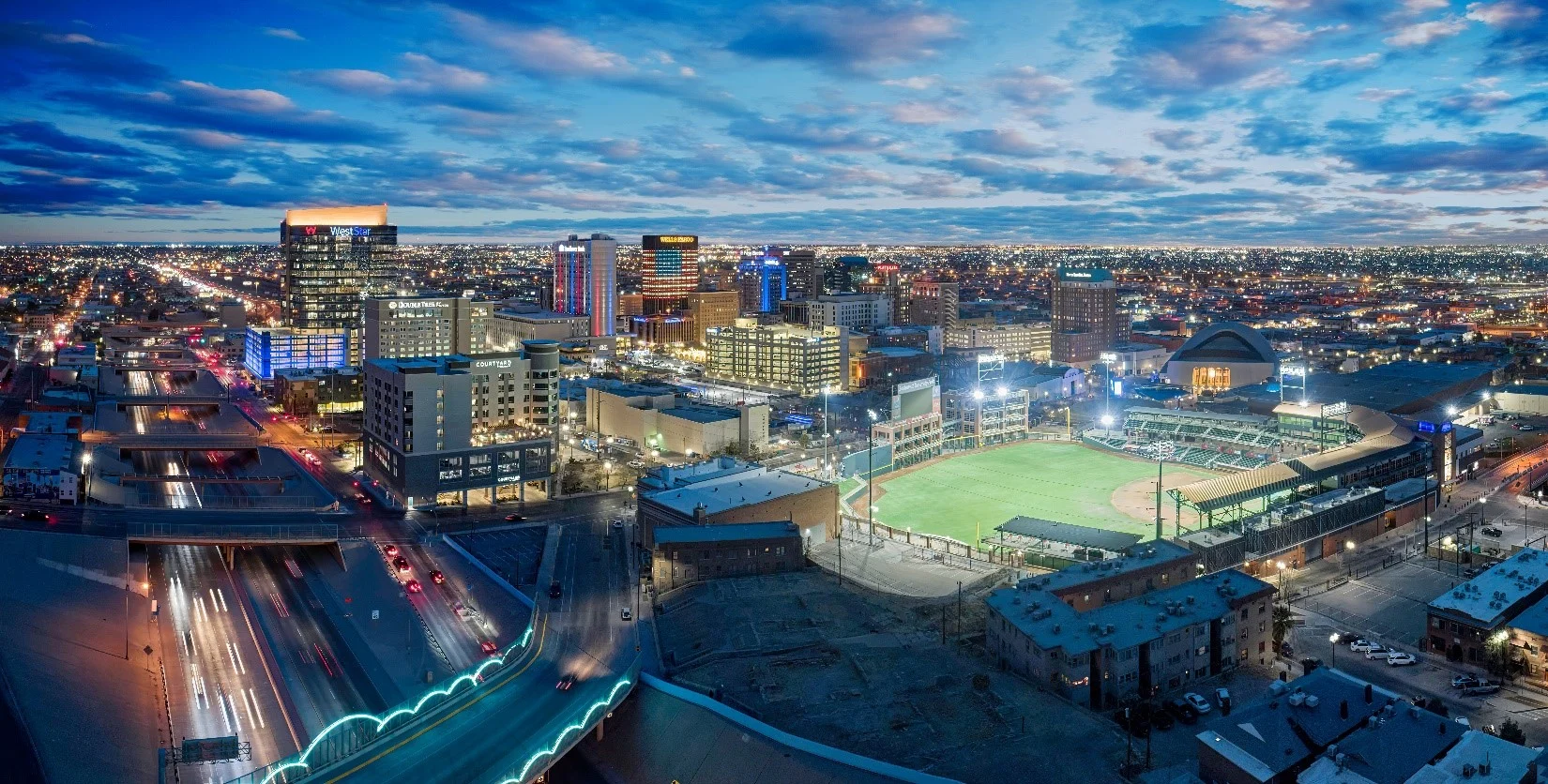
Auto Dealership Roofing in El Paso, TX
Auto Dealership Roofing in El Paso, TX starts with heat exposure, drainage paths, and storm history so the recommendation is tied to what the roof is showing.
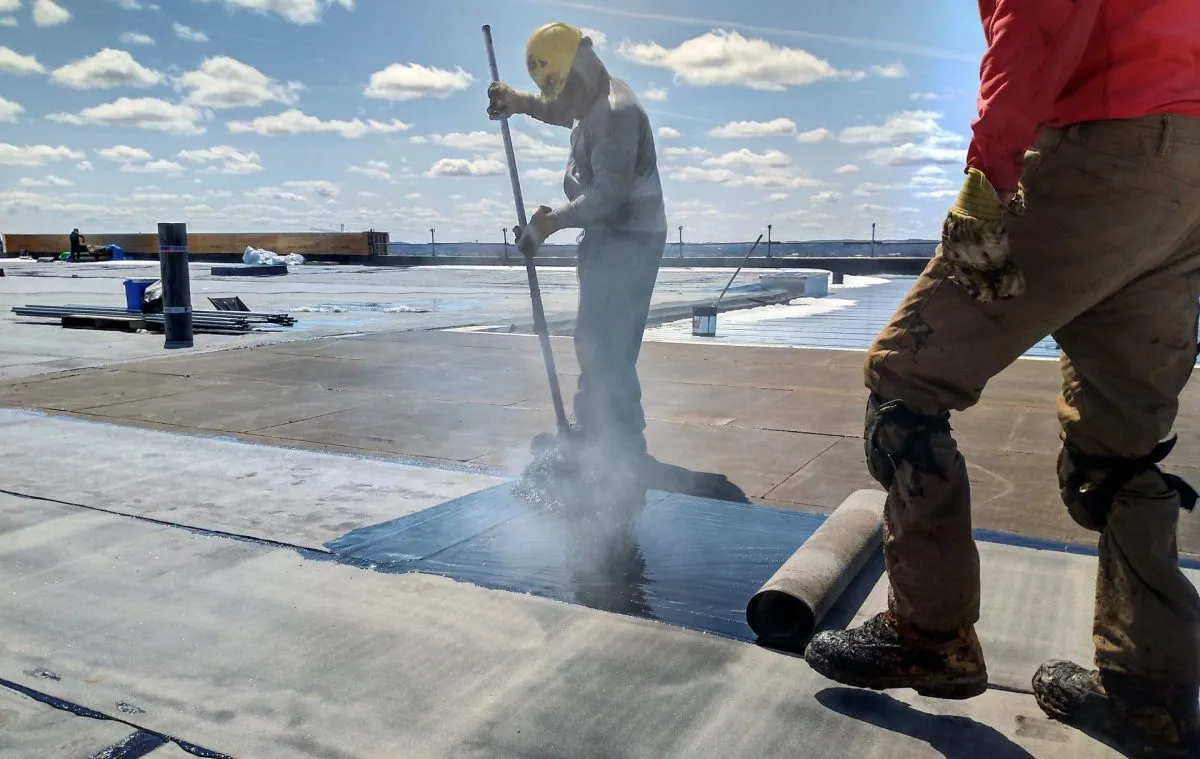
Built-Up Roofing in El Paso, TX
Built-Up Roofing in El Paso, TX starts with roof access, tenant timing, and equipment clearances so the recommendation is tied to what the roof is showing.
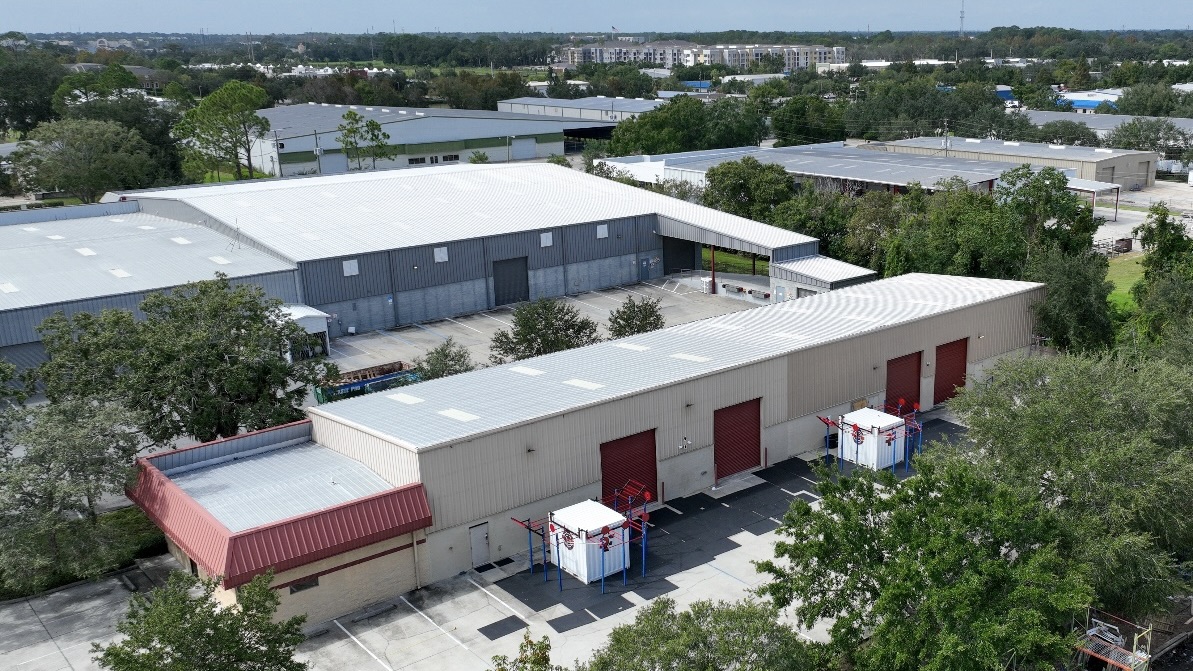
Commercial Roof Inspection in El Paso, TX
Commercial Roof Inspection in El Paso, TX starts with storm history, repair records, and drainage paths so the recommendation is tied to what the roof is showing.