
Retail and Shopping Center Roofing in El Paso, TX
Commercial Roofers of El Paso handles retail and shopping center roofing in el paso, tx with a roof walk, photo notes, repair priorities, and a clear plan for maintenance, recovery, coating, or replacement.
Retail and Shopping Center Roofing Scope Notes
Commercial roofing scope for multi-ply asphalt roofs, gravel surfacing, core cuts, and repair-versus-replacement decisions.
Local Roof Context
El Paso's retail market sits at the intersection of two nations and two climates, serving a binational metropolitan area of nearly three million people whose shopping corridors — from the Cielo Vista Mall retail clusters along Montana Avenue to the strip centers along North Mesa and the power center developments in the Upper Valley — experience a desert climate that creates roofing conditions unlike those found anywhere else in Texas. The Chihuahuan Desert environment delivers UV radiation intensity, thermal stress, and occasional severe weather that stress commercial rooftops in ways that require specifications tailored to the Trans-Pecos region specifically, not simply adapted from Dallas or Houston standards.
UV radiation is the primary membrane degradation driver on El Paso retail rooftops. At an elevation of nearly 3,800 feet, El Paso receives UV intensity levels that significantly exceed sea-level Texas markets, and the desert's low cloud cover means that UV exposure accumulates with minimal interruption across the entire year. Roofing membranes without UV-stabilizing additives — or those that have lost their reflective surface through granule wear or chemical degradation — age visibly faster on El Paso retail buildings than the same products would in Houston or San Antonio. White reflective TPO membranes with documented UV-resistance performance are not merely an energy efficiency choice in this market; they're the specification decision that most directly extends roof service life.
Thermal cycling on El Paso's desert retail rooftops is extreme by any measure. The city's high-desert climate produces daily temperature swings of 30 to 50 degrees across most of the year, and summer roof surface temperatures can reach 180 degrees Fahrenheit on a dark or degraded membrane while overnight lows drop to 70 or below. That daily cycle of expansion and contraction stresses every seam, flashing, and penetration on the roof surface with a regularity that no other Texas market experiences at the same amplitude. Heat-welded single-ply membranes — specifically TPO and PVC — handle this thermal cycling far better than modified bitumen or EPDM systems because the welded seams create a continuously bonded joint rather than a lapped and adhered detail that cycles open and closed with temperature changes.
Flat roof drainage management in El Paso retail has a unique character compared to Texas's wetter markets. Annual rainfall of less than 10 inches means that the drainage system rarely faces sustained load, but when El Paso's monsoon season delivers intense summer convective storms in July and August, the brief but intense rain events can deposit half an inch or more in under 30 minutes on a retail roof whose drainage was designed for average conditions rather than peak intensity. The Montana Avenue and Airway Boulevard retail corridors, along with the strip centers in the Upper Valley, have experienced drainage backup events during heavy monsoon activity — events that are preventable with properly maintained drain bowls and overflow scuppers that are kept clear of wind-blown desert debris, which accumulates on El Paso rooftops year-round.
HVAC penetration management on El Paso retail is shaped by the desert cooling load that drives rooftop equipment density. The 115-degree heat index days that arrive each summer push HVAC systems at the Cielo Vista retail corridor and the Mesa Hills strip centers to maximum output for months at a time, and that continuous operation means technicians are on rooftops regularly — every service visit a potential source of improperly resealed penetration flashings. The dry desert environment is deceptive in this regard: UV-degraded sealants around pipe boots and curb flashings can appear intact until the first monsoon rain, when their failure becomes visible as an interior ceiling stain in the tenant space below. Semi-annual penetration inspections — once before monsoon season and once in fall — are the appropriate maintenance cadence for El Paso retail rooftops.
Tenant disruption management at El Paso's retail centers has unique characteristics tied to the border city's economic profile. The Cielo Vista area and the retail clusters near the UTEP campus serve a binational customer base whose shopping patterns — particularly on weekends and around Mexican holidays — create traffic peaks that are unlike those in other Texas retail markets. Retail landlords and their roofing contractors need to coordinate work schedules with an awareness of those traffic patterns to avoid major construction activity during the highest-volume periods. The dense retail clustering along North Mesa Street and the Woodrow Bean Transmountain Road commercial corridor means that tenant customers have alternatives close by, and a construction-impacted shopping experience can redirect foot traffic in ways that take months to recover.
El Paso's retail market includes a significant concentration of value and necessity retail serving the region's diverse and price-sensitive consumer base — Family Dollar, Cato, and similar formats in neighborhood strip centers throughout East El Paso, the Lower Valley, and communities near Fort Bliss. These properties often carry aging roofing systems on tight maintenance budgets, and the combination of UV degradation, thermal cycling, and monsoon drainage demands means that deferring roof capital in this market accelerates the decay curve faster than in climates with milder atmospheric conditions. A condition-based phased replacement approach — prioritizing sections over occupied tenant spaces and food-service operations — is the appropriate capital planning framework for El Paso retail landlords managing value properties.
CAM budget planning for roofing at El Paso retail centers should account for the city's unique energy cost dynamics. The regional grid's power cost, combined with the desert cooling load, means that energy savings from reflective roofing systems translate into measurable CAM line item improvements that benefit both landlords and tenants. A properly documented energy model showing the cooling cost reduction from a TPO conversion can support a CAM capital assessment by demonstrating that the replacement's operating benefits partially offset its cost — a particularly useful framing for El Paso retail tenants operating on thin margins in a competitive discount retail environment.
Commercial roofing contractor selection in El Paso benefits from prioritizing proven experience in desert commercial construction. The Chihuahuan Desert's specific combination of UV intensity, thermal extremes, and monsoon drainage demands creates installation and material performance requirements that contractors from wetter Texas markets may not have optimized for. Manufacturer certifications specific to the products being installed, local commercial retail project references, and demonstrated knowledge of Trans-Pecos climate roofing details are the evaluation criteria that most reliably predict long-term performance from a roofing contractor working in the El Paso market.
Related Roof Paths

Auto Dealership Roofing in El Paso, TX
Auto Dealership Roofing in El Paso, TX starts with heat exposure, drainage paths, and storm history so the recommendation is tied to what the roof is showing.
Built-Up Roofing in El Paso, TX
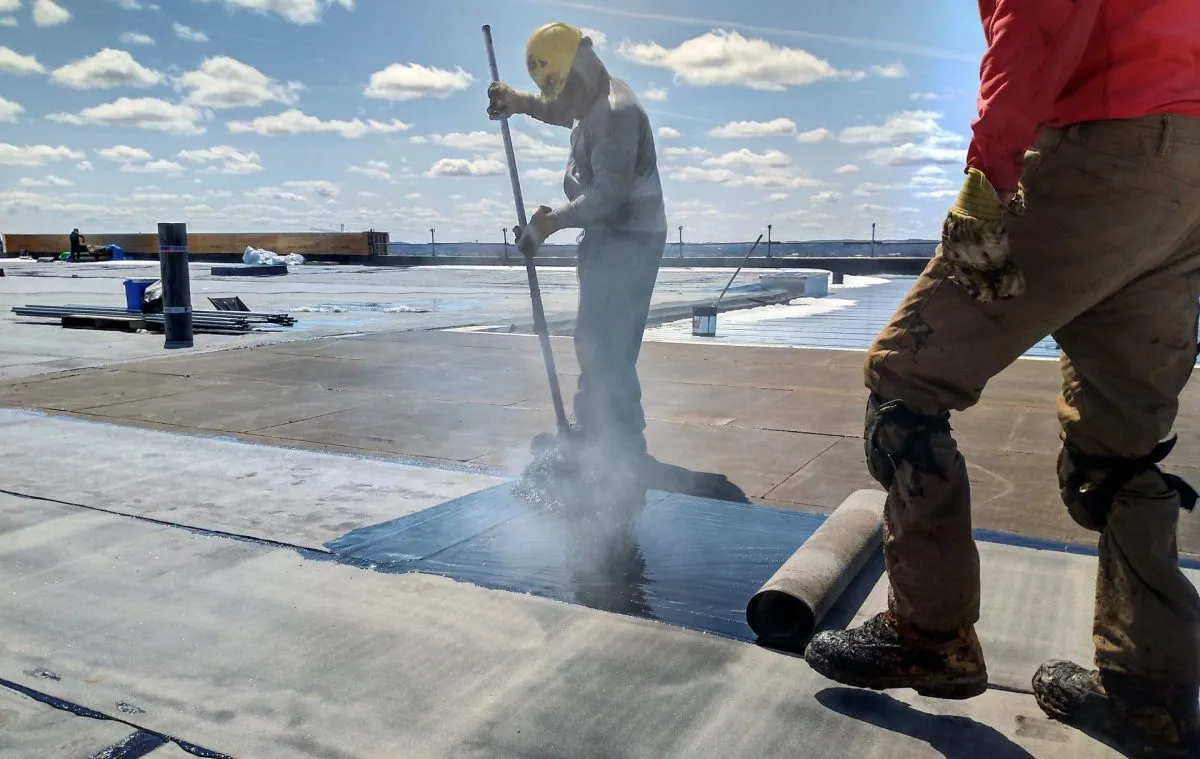
Built-Up Roofing in El Paso, TX starts with roof access, tenant timing, and equipment clearances so the recommendation is tied to what the roof is showing.
Commercial Roof Inspection in El Paso, TX
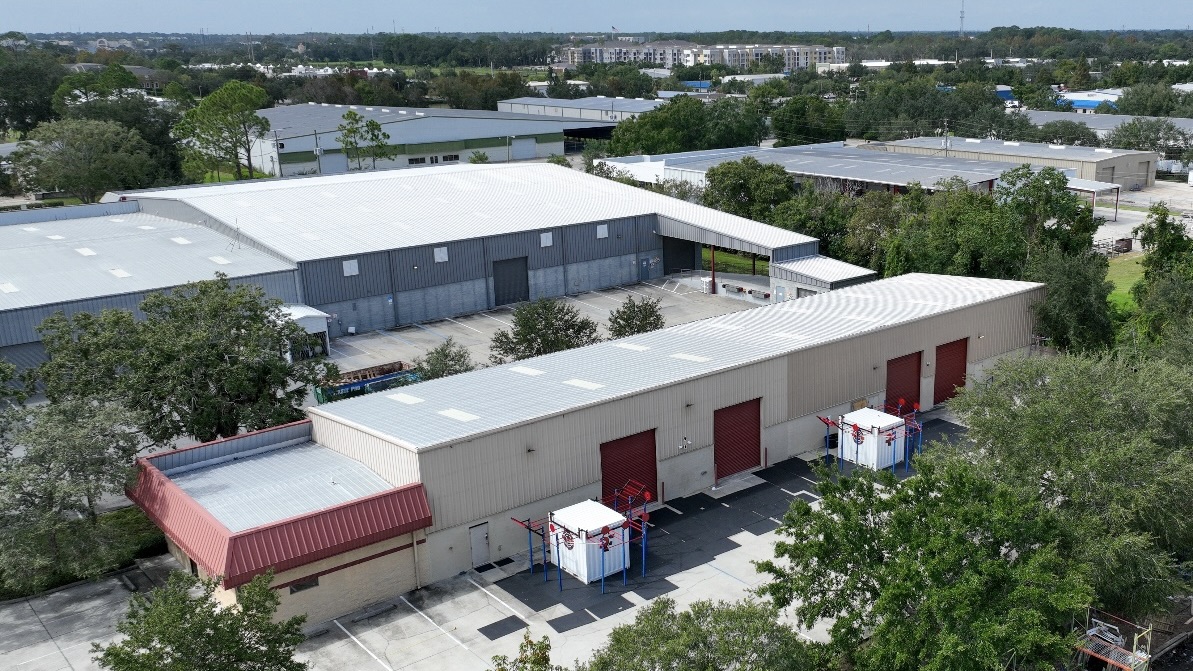
Commercial Roof Inspection in El Paso, TX starts with storm history, repair records, and drainage paths so the recommendation is tied to what the roof is showing.