
Commercial Roof Service Agreements in El Paso, TX
A recurring service agreement that treats the roof as the asset it is, scheduled rooftop visits, small repairs handled early, and a documented path to every last year of membrane life.
The Cheapest Roof You Will Ever Own Is the One Already Up There
A commercial membrane in the Chihuahuan Desert ages on fast-forward. Ultraviolet exposure at this elevation is relentless, rooftop surface temperatures pass 160 degrees through the summer, and the daily swing from a cool desert morning to a blazing afternoon works every seam, lap, and sealant joint like a hinge. None of that is negotiable, but how fast it retires your roof is. The same TPO or modified bitumen system that quits at year twelve when nobody touches it will run past year twenty when someone competent is up there on a schedule. That gap of eight or more years, on an asset that costs six figures to replace, is what a roof service agreement is actually selling.
The mechanics are simple: two scheduled rooftop visits every year, at a flat annual price, with the small work done on the spot. Sealant that has chalked and split under the sun gets recut and redressed. Flashings and terminations that thermal cycling has worked loose get reseated. Splits, blisters, and open laps get patched while they are still patch-sized. Scuppers and drains get cleared so the first big monsoon downburst of July drains off the roof instead of standing on it. Every visit ends in a photo-documented condition report, which becomes the running service history of the asset.
Run the Deferral Math
Tearing off and replacing a mid-size commercial roof in El Paso is a capital event, often the largest single building expense an owner faces in a decade. An annual service agreement costs a fraction of one percent of that number. If scheduled service buys the roof five extra years, and on most of the roofs we service it buys more, the agreement has returned its cost many times over before you ever think about replacement. The condition reports do the quieter half of the work: they show you, year over year, how much life is left, so the tear-off lands in the fiscal year you chose for it rather than the one the roof chooses.
Two Visits, Timed to the Desert Calendar
The first visit lands in spring, after the windy season has spent months prying at edge metal and coping on the exposed mesas and along the I-10 corridor. The second comes in early summer, ahead of monsoon season, because a blocked scupper that is harmless in May becomes a structural ponding problem during an August storm cell. Between the two visits, the roof gets everything short of a capital project: drainage confirmed, penetrations and curb flashings resealed, membrane defects closed, and rooftop equipment curbs checked where trades have been walking.
When a Coating Beats a Tear-Off, and How You Will Know
Somewhere past a membrane's midlife, the smart lifecycle move is often a restoration coating rather than replacement, a silicone or acrylic system that resets UV protection and buys another stretch of serviceable years at a fraction of tear-off cost. The catch is that coatings only work over a sound, dry substrate, which means the window closes if the roof is neglected until it leaks. An agreement roof, serviced and documented from year one, almost always keeps that option open. That choice, coat at year fifteen instead of replacing at year sixteen, is frequently worth more than every visit fee ever paid on the building.
If the roof is on an El Paso building you plan to hold, put it on a schedule. Call 915-284-7560 or request a roof walk, and we will quote the agreement off the roof's actual condition.
Roof Service Agreement Questions
Can an older roof go on a service agreement?
Yes, and older roofs usually benefit most. We start with a baseline walk to document existing conditions, price the agreement against the roof's real state, and focus visits on the details that are actively aging out.
How much life does scheduled service actually add?
It depends on the system and how early the schedule starts, but five to ten additional years is the common range we see, the difference between failure driven by small neglected defects and retirement driven by genuine membrane exhaustion.
What gets fixed during a visit and what gets quoted separately?
Patch-scale work is included: minor membrane repairs, flashing reseats, sealant redressing, drain and scupper clearing. Larger scopes (seam rebuilds, section replacement, coating projects) are documented in the report and quoted as separate line items you can plan.
Is a restoration coating included in the agreement?
No, a coating is a scoped capital project on its own. The agreement's job is to keep the membrane sound and the condition history current so a coating stays viable and gets timed for maximum return.
Related Roof Paths
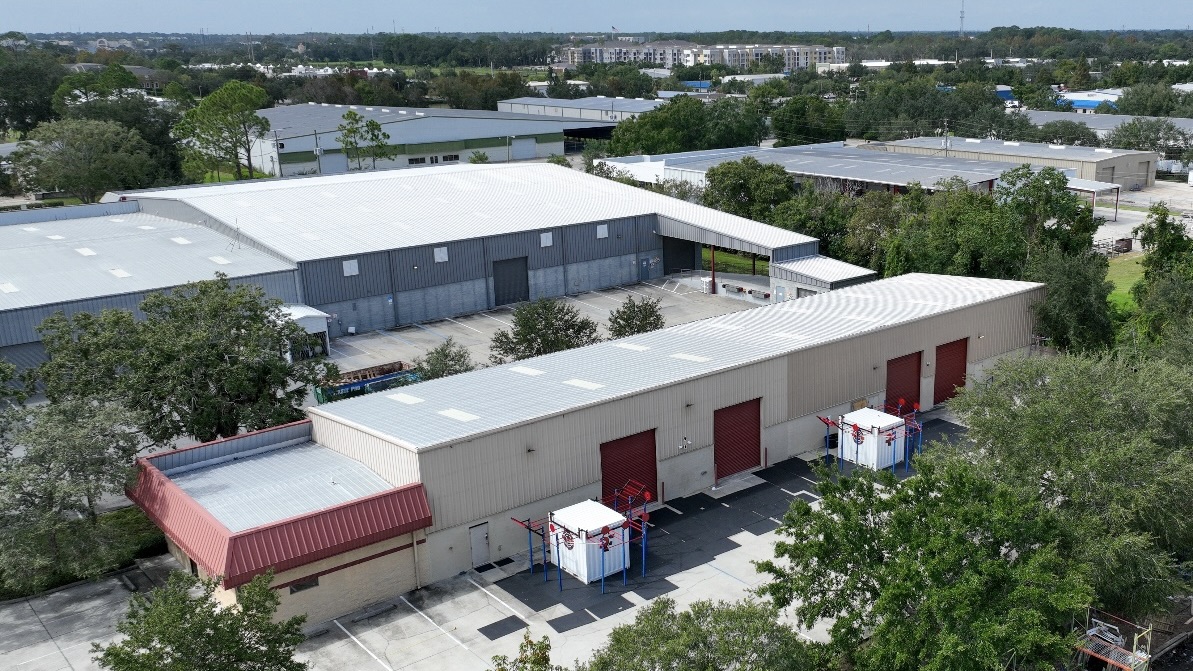
Commercial Roof Inspection in El Paso, TX
Starts with storm history, repair records, and drainage paths so the recommendation is tied to what the roof is showing.
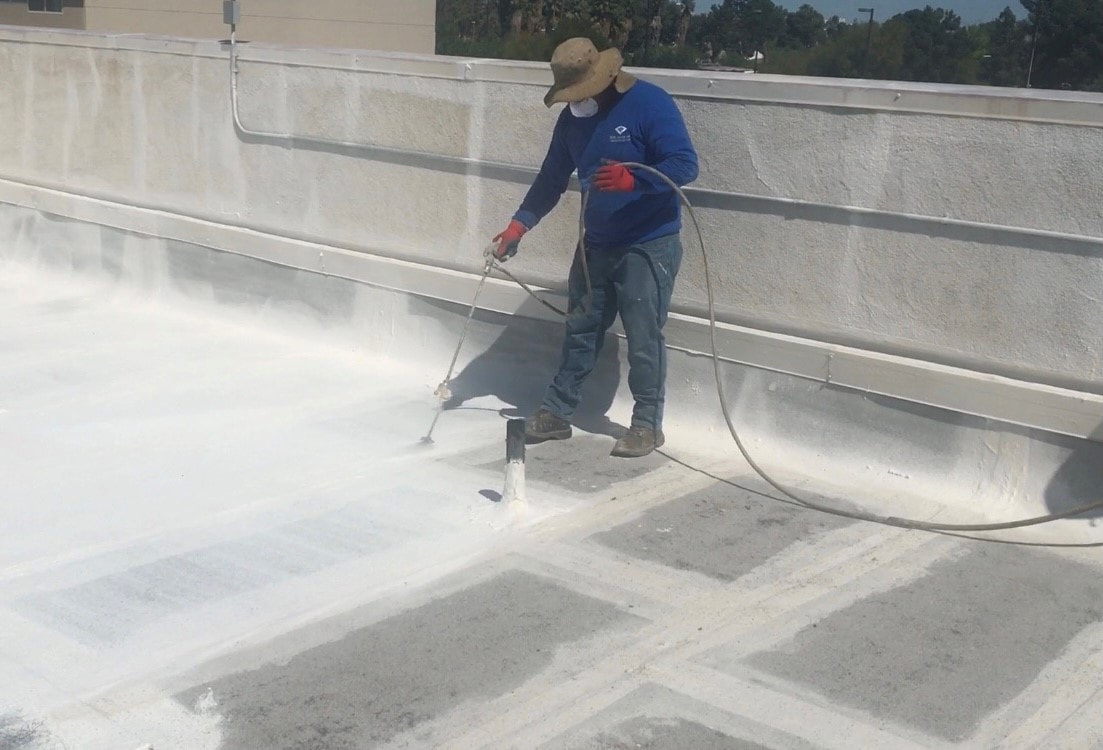
Acrylic and Silicone Roof Coatings in El Paso, TX
Starts with membrane age, equipment clearances, and roof access so the recommendation is tied to what the roof is showing.
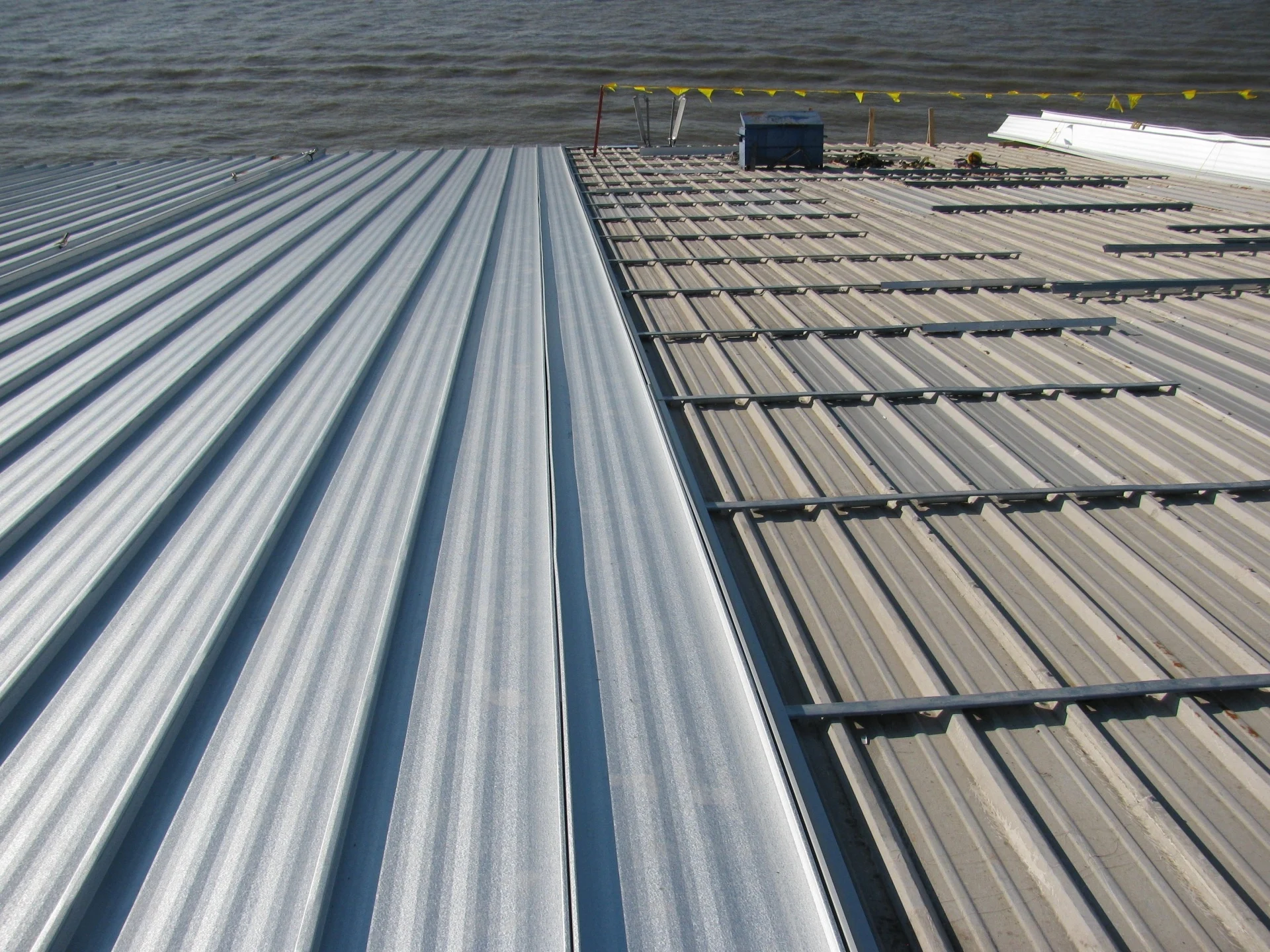
Commercial Re-Roofing in El Paso, TX
Starts with tenant timing, storm history, and heat exposure so the recommendation is tied to what the roof is showing.