
Solar Roof Integration for Commercial Buildings in El Paso, TX
Commercial Roofers of El Paso handles solar roof integration for commercial buildings in el paso, tx with a roof walk, photo notes, repair priorities, and a clear plan for maintenance, recovery, coating, or replacement.
Solar Roof Integration for Commercial Buildings Scope Notes
The roof decision that should come before the solar decision
El Paso averages well over 300 sunny days a year, which is why rooftop photovoltaics pencil out so well on the big low-slope roofs across town, from the distribution buildings in the Butterfield Trail Industrial Park near the airport to the retail boxes off Joe Battle Boulevard and the manufacturing plants along Gateway Boulevard East. We work the roofing half of those projects. We do not sell arrays, we do not finance systems, and we have no stake in how many panels go up there. What we care about is whether the membrane, the deck, and the warranty underneath those panels can carry them for the full life of the system, because that is the part everyone tends to rush past.
A solar array is a long-term commitment bolted or weighted onto a roof that may not share its lifespan. Getting those two timelines to line up, and getting the penetrations, loads, and warranties handled so the roof stays watertight, is the work we do for building owners around the Borderplex.
Match the roof's remaining life to the array's
Commercial PV systems are typically built to run 25 to 30 years. If the roof beneath has only a handful of years left, you have created an expensive trap: when the membrane fails, the entire array has to come off, the roof gets replaced, and the array goes back on. That removal-and-reset cycle routinely adds tens of thousands of dollars depending on system size and racking type.
So the first thing we do is assess the existing membrane and give you a straight remaining-service-life number. Roughly fifteen or more documented years left, and installing over the current surface is sensible. Closer to the end of the run, and reroofing first, then setting panels on a fresh membrane, is almost always cheaper across the combined life of both systems. On an older modified-bitumen roof near the Dyer Street industrial corridor, we recently steered an owner to reroof before going solar, and the avoided future tear-and-reset more than paid for it.
How the array gets anchored, and where water gets in
There are two basic ways to hold an array down on a flat commercial roof, and each one reshapes the roofing problem.
No matter which method is used, conduit has to travel from the array down into the building's electrical room, and those conduit penetrations are where we find the most chronic, slow leaks on sloppily coordinated jobs. Conduit laid flat against the membrane without standoffs grinds the surface raw as the metal expands and contracts through our enormous day-to-night temperature swing. A conduit penetration sealed with a generic boot instead of a proper through-roof assembly weeps quietly until the insulation below is soaked. We route and detail every penetration with the solar contractor before pipe is set, and we flash those penetrations with our own crew.
Weight, and uplift in the wind off the Pass
Ballast is appealing here precisely because it avoids holes, but every pound of it has to clear the building's structural capacity. A large share of El Paso's commercial stock dates to the 1960s through the 1980s, with decks engineered for lighter loads than a modern array plus its ballast. We check the added dead load against the structure, and where the margin is thin we will tell you the building needs a hybrid or a lighter mechanically attached approach rather than more concrete.
Uplift is the flip side. Strong, dust-laden spring winds funnel through the Pass and pour off the Franklin Mountains, and gust events are routine from roughly February into May. A rooftop array is a large sail, and uplift forces concentrate at the corners and perimeter, exactly where the membrane termination already works hardest. We coordinate the array's wind design and ballast distribution with how the perimeter membrane and edge metal are secured, so the two systems reinforce each other instead of competing.
Which membrane belongs under panels
For solar-ready roofs here we usually specify a white reflective single-ply, commonly a 60-mil TPO or PVC. The reflectivity earns its keep twice: it holds the roof and the building cooler through a long hot season, and a cooler surface beneath the modules nudges their output up slightly. A mechanically attached single-ply also gives ballasted racking a clean, uniform field to rest on. Where structural load is the binding constraint, a fully adhered system drops the weight of the plates and fasteners. We pick the membrane to suit how the array attaches, not the reverse.
Getting both warranties to survive the install
This is the step that gets skipped most and costs owners most. The major single-ply manufacturers will keep a membrane warranty in force beneath an array, but only on their terms: approved ballast pads, approved walkway protection along service routes, approved penetration details, and usually a pre-installation review by their field representative. If a solar crew sets racking and pulls conduit without that review, a twenty-year membrane warranty can be void on day one, and you will not learn it until a leak appears years later.
We run that coordination as part of the job. That means a pre-construction meeting with the solar EPC to lock the install sequence, the conduit plan, and the penetration details; the manufacturer's review of the design; and a joint final inspection so both the roofing warranty and the solar warranty register cleanly. The membrane goes down and is inspected before any steel lands on it, and we flash the penetrations before conduit is pulled.
Call the roofer before you sign with the solar company
The right moment to bring us in is before the PV system is designed. A short roof assessment up front tells you whether to reroof first, which membrane belongs under the array, how much weight the structure can take, and what the manufacturer will demand to protect your warranty. An excellent solar contractor installing onto the wrong roof still produces an expensive mistake, and we help owners avoid it on buildings from the Westside through the Northeast and out to the far East Side growth corridors.
Common questions about solar roof integration in El Paso
Should we reroof before installing solar or put the array on the existing roof?
It hinges on the membrane's remaining life. With fifteen or more documented years left, installing over the existing roof is reasonable. With seven or fewer, reroofing first is almost always cheaper over time, because removing and resetting an array during a later tear-off costs more than reroofing now and setting panels on a fresh surface. We give you that service-life estimate before you commit.
Do the panels have to penetrate the roof?
Not always. Ballasted racking holds the array with weighted blocks and can avoid penetrations entirely, which is common on flatter El Paso roofs with structure to spare. Mechanically attached racking fastens through the membrane and is used where ballast weight is a problem or wind uplift demands it. When penetrations are needed, we flash each one to the manufacturer's detail and tie it into the membrane warranty.
Will adding solar void our roof warranty?
Not if it is done correctly. The major membrane manufacturers allow rooftop solar over a warranted system as long as the design and installation follow their requirements and a field representative reviews it before work begins. We handle that review and the documentation so the array does not jeopardize the membrane warranty.
Related Roof Paths

Auto Dealership Roofing in El Paso, TX
Auto Dealership Roofing in El Paso, TX starts with heat exposure, drainage paths, and storm history so the recommendation is tied to what the roof is showing.
Built-Up Roofing in El Paso, TX
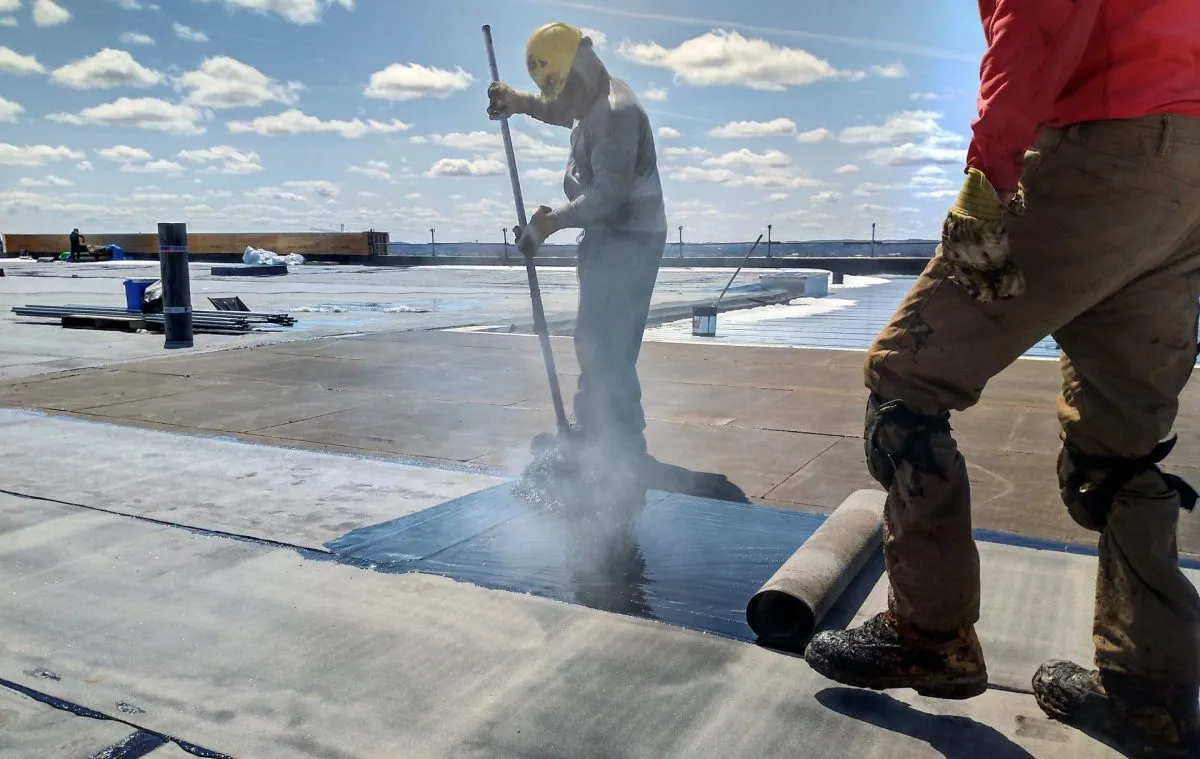
Built-Up Roofing in El Paso, TX starts with roof access, tenant timing, and equipment clearances so the recommendation is tied to what the roof is showing.
Commercial Roof Inspection in El Paso, TX
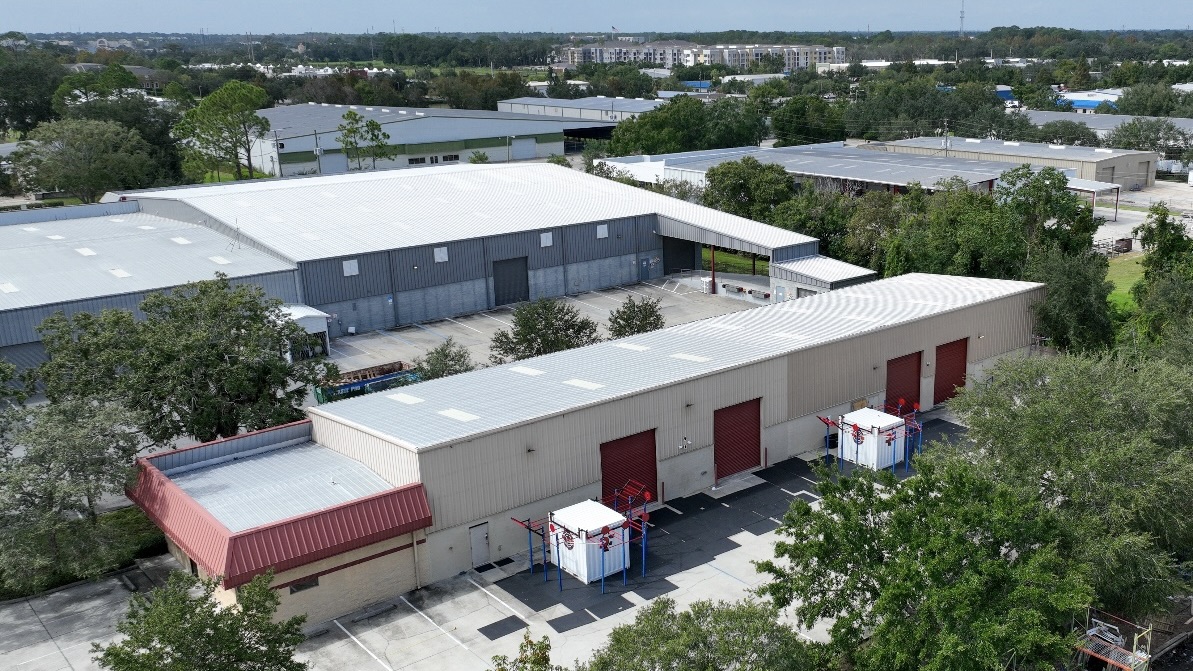
Commercial Roof Inspection in El Paso, TX starts with storm history, repair records, and drainage paths so the recommendation is tied to what the roof is showing.