
Warehouse and Distribution Center Roofing in El Paso, TX
Commercial Roofers of El Paso handles warehouse and distribution center roofing in el paso, tx with a roof walk, photo notes, repair priorities, and a clear plan for maintenance, recovery, coating, or replacement.
Warehouse and Distribution Center Roofing Scope Notes
Commercial roofing scope for multi-ply asphalt roofs, gravel surfacing, core cuts, and repair-versus-replacement decisions.
Local Roof Context
The Walmart Distribution Center in Horizon City, serving the El Paso and Southern New Mexico region, operates in one of the harshest UV and heat environments in North America. El Paso sits at 3,700 feet elevation in the Chihuahuan Desert, combining intense high-altitude solar radiation with summer temperatures that exceed 100 degrees for weeks at a time, extremely low humidity, and the occasional severe hail event and dust storm that affect rooftop systems in ways specific to the trans-Pecos region. Warehouse roofing in El Paso is a discipline that rewards deep experience with desert conditions rather than generalizing from humid-climate specifications.
Drainage engineering for El Paso warehouse footprints presents a paradox: the desert receives very little annual rainfall, but when monsoon season arrives in July and August, intense convective storms can dump two to three inches in an hour on a roof system designed for an arid environment. El Paso's average annual rainfall of under nine inches means that many existing drainage installations are not robustly maintained and drain bowls can accumulate years of dust and debris between significant rain events. Pre-monsoon season drain clearing should be a non-negotiable maintenance item for any El Paso warehouse, combined with overflow scupper inspection to ensure that debris accumulation during the dry season has not blocked these critical emergency relief points.
TPO membrane in white is essentially universal for new El Paso warehouse construction, and for good reason. The combination of intense solar radiation, extreme summer heat, and high altitude UV exposure creates one of the most demanding performance environments for roofing membranes in the continental United States. White TPO's reflectivity dramatically reduces roof surface temperatures — from over 180 degrees on a dark surface to 100 to 110 degrees on a white reflective surface — which translates directly to reduced cooling loads in buildings where air conditioning operates for eight to ten months per year. Membrane manufacturers should be consulted about high-UV performance data for El Paso-latitude installations, as the UV exposure in West Texas meaningfully exceeds the mid-latitude values used in standard warranty documentation.
Low humidity in El Paso creates a membrane performance characteristic different from humid markets: TPO and EPDM seams and termination sealants dry out faster and may become more susceptible to chalking and cracking over time without the moisture that keeps elastomeric materials slightly more flexible in humid climates. This means that El Paso warehouse flashings require a different inspection cadence than the same materials would need in Dallas or Houston — annual sealant inspection and reapplication at critical points is more important in the desert environment than contractors who primarily work in East Texas sometimes appreciate. UV-protective sealant products specifically formulated for high-UV, low-humidity environments are available and worth the premium in this market.
Dock bay penetration flashing on El Paso warehouses benefits from the dry climate in one respect — there is essentially no freeze-thaw cycling in Horizon City or the western industrial areas, so the perimeter deterioration mechanism that dominates in northern markets is absent. The challenge instead is thermal expansion. West Texas summer temperatures create roof deck surface temperatures that can approach 185 degrees on dark or poorly maintained roofs, and the thermal expansion differential between a superheated metal flashing component and the membrane it terminates against is substantial. Expansion joints and flexible termination details are important in El Paso warehouse specifications for reasons of heat rather than cold.
Rooftop forklift exhaust and ventilation on El Paso warehouses must contend with the dust that characterizes the desert environment. Dust storms, locally called haboobs, move through the El Paso area several times per year during the pre-monsoon season, and the fine silicate dust they carry accumulates in exhaust fan guards, HVAC pre-filters, and around drain bowls in ways that require specific maintenance protocols. Drain covers on El Paso warehouse roofs should use dome-style or raised guards that prevent dust accumulation from directly blocking the drain opening, and annual post-dust-season cleaning should be added to the maintenance schedule.
Energy efficiency for El Paso warehouses is measured almost entirely in cooling season terms, as the mild El Paso winter requires very little heating energy compared to the six-month cooling demand. The Texas Public Utility Commission and El Paso Electric have both supported commercial energy efficiency programs, and a well-insulated, reflective-membrane warehouse in El Paso can reduce peak cooling demand by 25 to 30 percent compared to a dark-surface, under-insulated building. A state-of-the-art warehouse specification in the El Paso market should include R-25 or better polyisocyanurate insulation, 80-mil white TPO, and a maintenance program that preserves the membrane's reflectivity against the dust and UV exposure that degrade performance over time.
Cost per square foot for El Paso warehouse roof replacement is somewhat lower than major Texas metros, typically falling between $6 and $10 for a complete single-ply system with insulation upgrade. The smaller contractor pool in the El Paso market compared to Dallas or Houston limits competition on large projects, and specialty items like UV-stable sealants and heavy-gauge metal flashings appropriate for the desert environment may need to be specified explicitly to avoid contractors substituting standard materials. Owners should request references from completed projects in the El Paso-Las Cruces region specifically, as contractors with primarily Gulf Coast or Central Texas experience may not be familiar with the high-UV, low-humidity performance requirements of the Chihuahuan Desert climate.
The El Paso warehouse market has benefited from significant cross-border logistics growth driven by the manufacturing and distribution activity on the Juárez side of the border, and new industrial development in Horizon City, the Lower Valley, and the east side along I-10 has created a steady stream of new warehouse construction and re-roofing projects. Building owners with facilities in multiple Texas markets should be aware that El Paso's climate performance requirements differ enough from the Gulf Coast and DFW markets that a single specification approach will under-serve one region or the other, and market-specific specifications are worth the additional planning investment for large portfolio owners.
Related Roof Paths
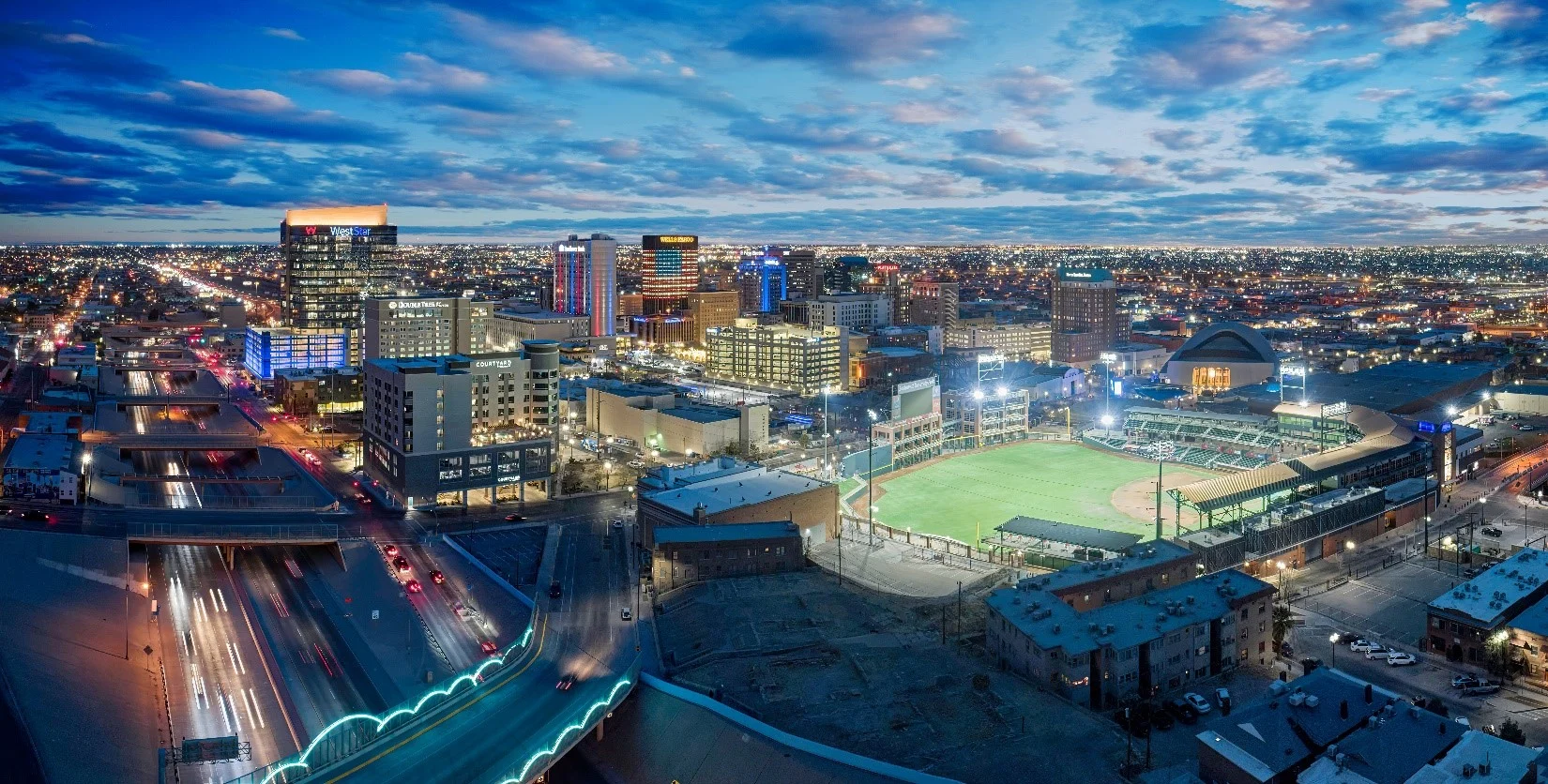
Auto Dealership Roofing in El Paso, TX
Auto Dealership Roofing in El Paso, TX starts with heat exposure, drainage paths, and storm history so the recommendation is tied to what the roof is showing.
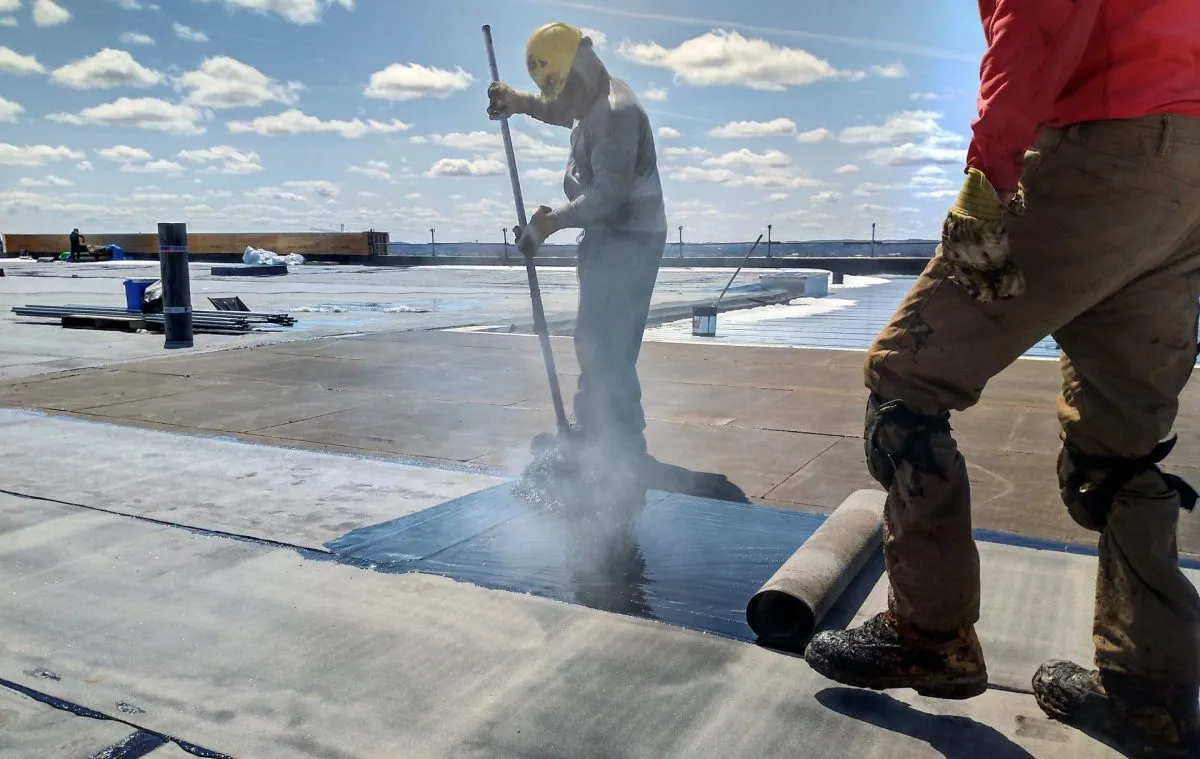
Built-Up Roofing in El Paso, TX
Built-Up Roofing in El Paso, TX starts with roof access, tenant timing, and equipment clearances so the recommendation is tied to what the roof is showing.
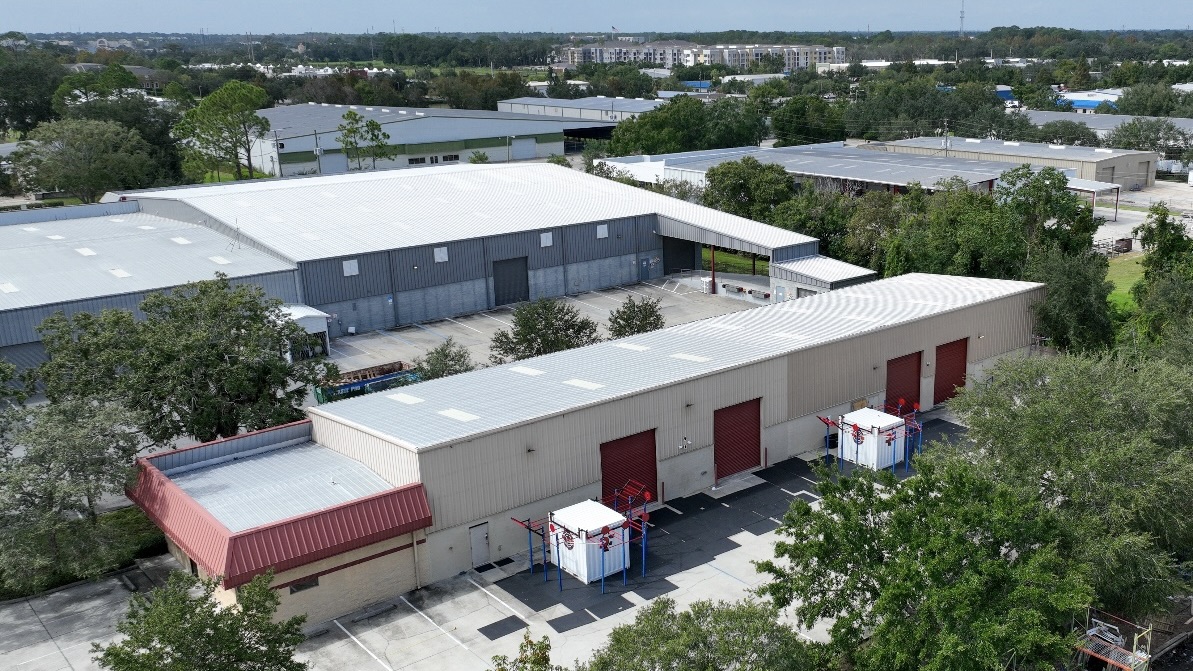
Commercial Roof Inspection in El Paso, TX
Commercial Roof Inspection in El Paso, TX starts with storm history, repair records, and drainage paths so the recommendation is tied to what the roof is showing.