
DST Roofing Services in El Paso, TX
Commercial Roofers of El Paso handles DST roofing services in el paso, tx with a roof walk, photo notes, repair priorities, and a clear plan for maintenance, recovery, coating, or replacement.
DST Roofing Services Scope Notes
Commercial roofing scope for portfolio owners comparing roof condition, risk, and capital timing.
Local Roof Context
El Paso has attracted targeted DST acquisition activity as sponsors seek yield from the Borderplex economy — the binational metro encompassing El Paso, Las Cruces, and Ciudad Juárez that functions as the largest land port of entry on the US-Mexico border. Sponsors syndicating 1031 exchange capital into West Texas assets have focused on industrial and logistics properties near the Union Pacific intermodal facility and Loop 375 industrial corridor, NNN retail serving El Paso's substantial military and federal workforce rooted in Fort Bliss, and medical office tied to the Tenet Healthcare and Del Sol Medical Center systems. For a Phoenix or Austin-based DST sponsor closing on an El Paso industrial asset or a Northeast El Paso medical office building, the roof is frequently the largest deferred maintenance variable in the offering memorandum — and the most likely to be underestimated in a desert climate that looks benign from a national risk map but carries its own category of roofing hazards.
DST due diligence in El Paso operates under standard 1031 exchange timeline constraints, and the city's commercial roofing contractor market is more concentrated than in Dallas or Houston. Sponsors who wait until the final weeks of an identification period to initiate contractor contact may find themselves competing for scheduling capacity with the active industrial development along the Borderplex. Contractors who understand DST transaction requirements — who can deliver a formatted written condition report with remaining useful life documentation suitable for offering memorandum property condition sections — are a specific subset of the El Paso market. Finding them, engaging them early, and building the relationship before the deal pipeline demands it is a strategic priority for any sponsor regularly acquiring El Paso assets.
El Paso's climate carries roofing risks that Sun Belt generalists consistently misread. The city averages only eight inches of annual rainfall, which creates a surface-level impression that precipitation is not a significant roofing risk. The reality is that El Paso's desert climate delivers most of its precipitation in intense summer monsoon events — late July through September — when subtropical moisture from the Gulf of Mexico flows into the region and produces rapid-onset thunderstorms capable of depositing an inch of rain in 30 minutes on flat commercial roofs with drainage systems designed around infrequent, low-intensity precipitation patterns. A roof drain system calibrated for Phoenix-style desert rainfall will be overwhelmed by a Chihuahuan Desert monsoon event. A sponsor managing an El Paso industrial property from their Dallas office may not understand what the local precipitation dynamics look like.
UV radiation is the primary long-term roofing degradation factor in El Paso that out-of-state DST operators consistently undersize in reserve calculations. At approximately 3,700 feet elevation with more than 300 days of annual sunshine, El Paso's UV index is among the highest of any major US city. TPO and EPDM flat commercial membranes accumulate UV damage at a rate that materially shortens useful life compared to national benchmarks. Membrane surfaces that appear intact during a winter inspection may show oxidation and brittleness by midsummer. An offering memorandum reserve section that uses national life expectancy tables without El Paso UV-load adjustment is presenting optimistic figures that will not survive the hold period's actual replacement timeline.
The DST passive structure creates specific hold-period demands in El Paso's industrial market, where the Borderplex logistics economy means active tenants frequently modify commercial facilities — adding dock equipment, installing cooling systems for temperature-sensitive freight, and cutting roof penetrations for HVAC upgrades associated with tenant build-outs. A DST trustee managing an El Paso industrial property remotely from Houston or Phoenix who has no local contractor with an active maintenance agreement has no reliable mechanism for detecting those modifications before they become water intrusion events during the summer monsoon season. A maintenance agreement with quarterly site inspections is not overhead — it is the only practical way to monitor an active-use industrial property in a remote management structure.
El Paso's DST deal profile reflects its Borderplex economy. Industrial and logistics assets near the Union Pacific intermodal facility and the Loop 375 commercial corridor are the primary institutional DST target. NNN retail along the North Mesa and Lee Treviño corridors serves the large Fort Bliss military and federal workforce — a tenant demographic with stable income and consistent retail demand. Medical office near Tenet and Del Sol campuses, and increasingly near Texas Tech University Health Sciences Center El Paso, serves a growing healthcare ecosystem in a metro with a significant uninsured population driving federally subsidized healthcare expansion. Each asset class carries distinct roofing risk: industrial assets with active tenant modification exposure, NNN retail with HVAC penetration accumulation, medical office with patient-care disruption sensitivity and strict containment requirements during leak events.
A roof failure during an El Paso DST hold carries consequences that the desert climate can amplify in unexpected ways. When a summer monsoon event produces active water intrusion at an El Paso industrial facility, the rapid temperature swing between the outside heat (often 100-plus degrees) and the conditioned interior of a warehouse creates condensation dynamics that can spread moisture damage beyond the leak point. In a medical office building, a water intrusion event during patient hours in El Paso's heat can require immediate building closure for safety assessment, producing a lease abatement claim that the sponsor must manage without investor input. The passive structure means the trustee is managing those consequences unilaterally, which means the contractor relationship must be operational before the emergency begins.
Out-of-state DST sponsors managing El Paso properties face the challenge of operating in a market that is geographically isolated from the major Texas commercial real estate ecosystems. Dallas and Houston contractors who service the broader Texas market frequently do not have El Paso coverage, and national property management firms' vendor networks can be thin in the Borderplex. A locally rooted El Paso contractor who has worked in the Loop 375 industrial corridor, the Northeast El Paso medical office market, and the established retail corridors along the city's arteries brings knowledge of the specific UV degradation patterns, monsoon event drainage performance issues, and temperature cycling membrane stresses that are unique to this market. That knowledge is the operational foundation that a remote DST management structure requires.
Pre-close contractor engagement for an El Paso DST acquisition should be thorough and should specifically address the desert climate conditions that distinguish this market from national benchmarks. The inspection scope should document UV degradation state of the specific membrane type, drainage system capacity relative to monsoon event intensity, any evidence of thermal cycling damage at seam and flashing locations, and remaining useful life estimates calibrated to El Paso's solar radiation and temperature profile. Reserve figures derived from that assessment will be more accurate and more credible than national benchmarks — and an offering memorandum built on local contractor documentation is a stronger instrument for raising passive investor capital into a market that many financial advisors and investors know primarily by reputation rather than by direct experience.
Related Roof Paths
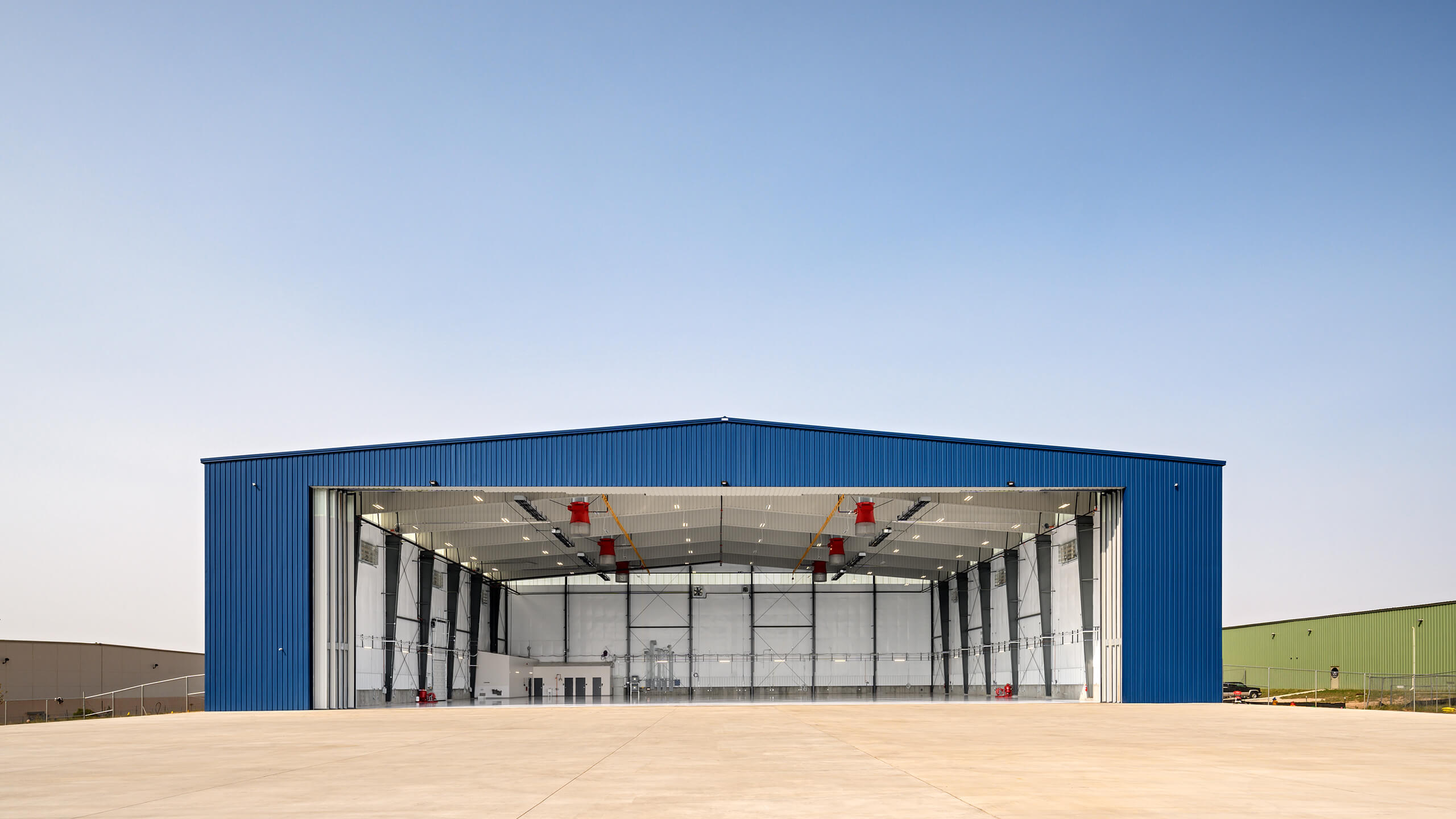
Aerospace & Defense Facility Roofing in El Paso, TX
Aerospace & Defense Facility Roofing in El Paso, TX support keeps heat exposure, drainage paths, documentation, and operating risk in view before the roof scope is finalized.
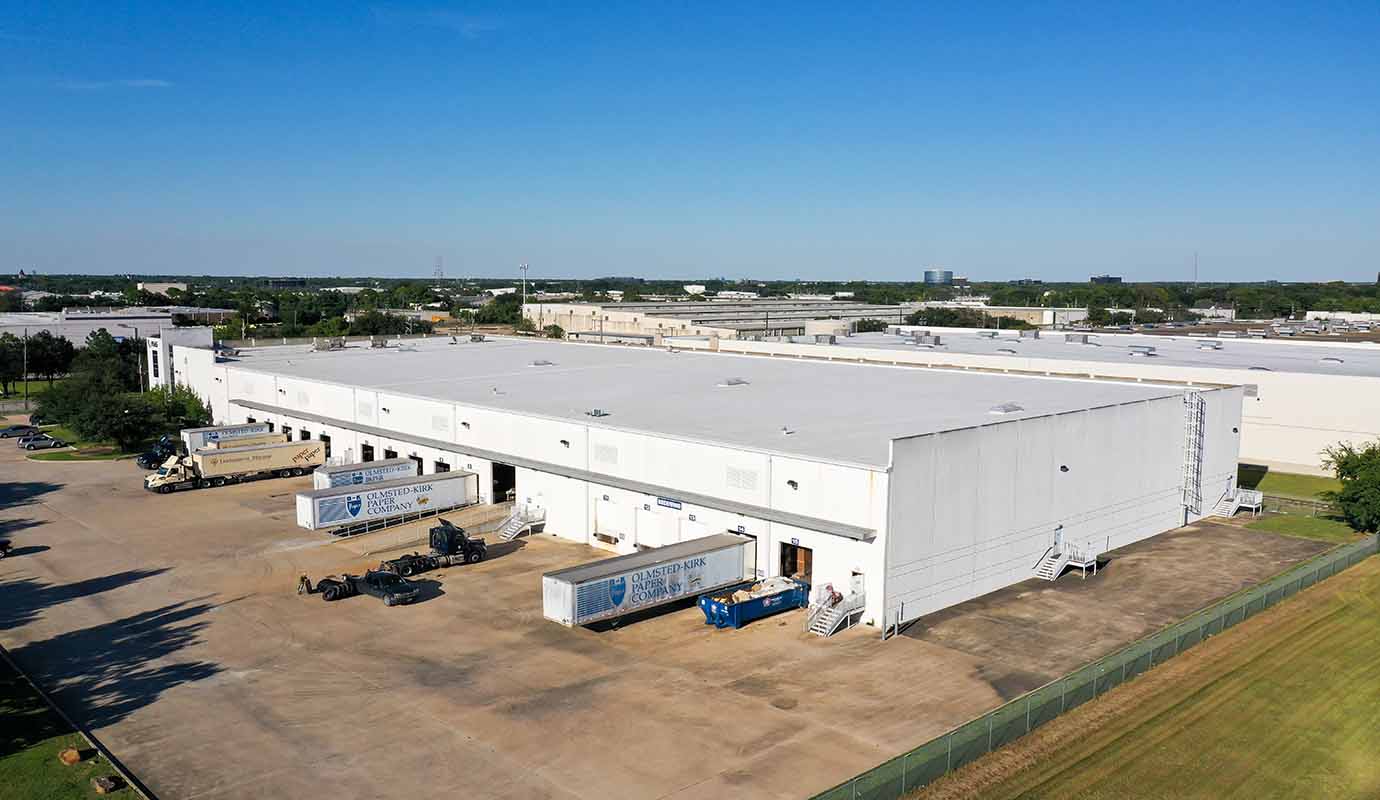
Commercial Real Estate and REITs
Commercial Real Estate and REITs support keeps roof access, tenant timing, documentation, and operating risk in view before the roof scope is finalized.
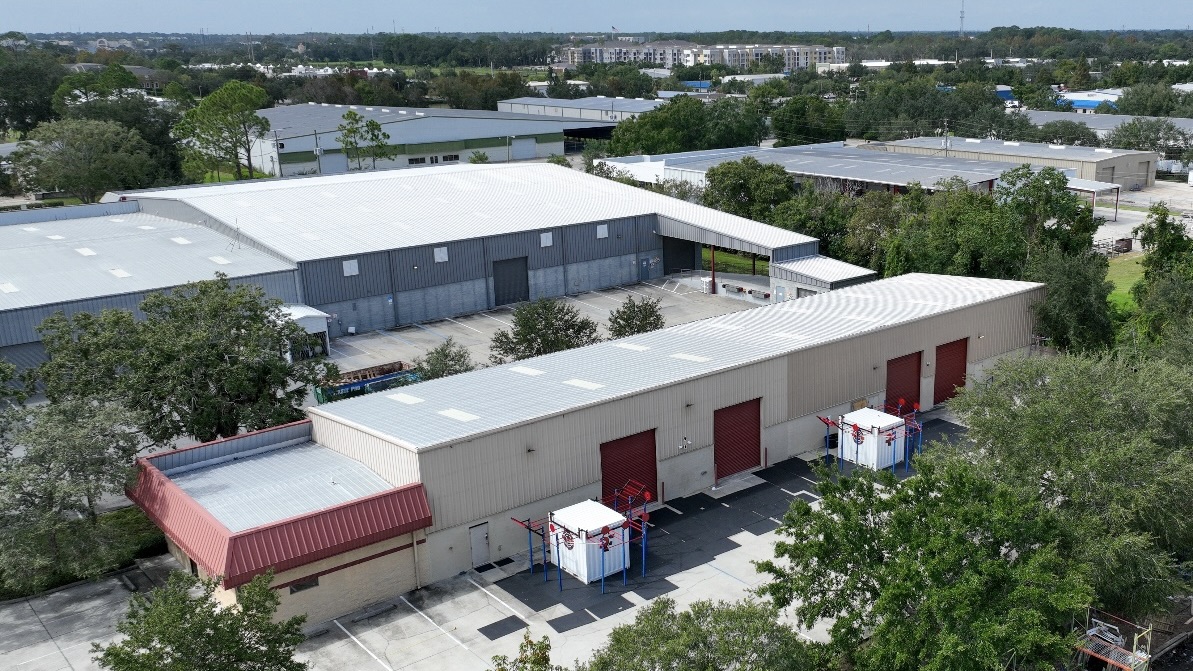
Commercial Roof Inspection in El Paso, TX
Commercial Roof Inspection in El Paso, TX starts with storm history, repair records, and drainage paths so the recommendation is tied to what the roof is showing.