
Airport Terminal & Aviation Facility Roofing in El Paso, TX
Commercial Roofers of El Paso handles airport terminal & aviation facility roofing in el paso, tx with a roof walk, photo notes, repair priorities, and a clear plan for maintenance, recovery, coating, or replacement.
Airport Terminal & Aviation Facility Roofing Scope Notes
Airport Terminal & Aviation Facility Roofing in El Paso, TX
An airport roof cannot be scheduled like any other commercial project, because the building underneath never stops. El Paso International Airport is the primary commercial airport for far West Texas and a gateway for cross-border Borderplex trade and Fort Bliss traffic, and it runs around the clock. Every access point, every material lift, and every crew deployment has to be coordinated with the airport facilities department, the FAA Part 139 safety program, and in some areas TSA security protocols. We build that coordination into the scope before the contract is signed, not after the crew shows up. Add the enormous adjacent Biggs Army Airfield complex at Fort Bliss, and the El Paso metro generates steady demand for both commercial terminal work and aviation-support roofing, all of it under the same operational constraints.
Large Low-Slope Roof Areas With No Margin
Terminal roofs are vast, flat, and minimally sloped, which makes drainage the governing concern and ponding tolerance close to zero. A lot of square footage drains across very little slope, and standing water on a roof that size accelerates membrane breakdown and adds weight the structure was not meant to carry indefinitely. Most terminal re-roofing in El Paso uses a single-ply membrane on a tapered insulation system engineered to correct drainage and pull water to the outlets, because the original slope on these long expanses is rarely enough on its own. Over the desert, the same broad roof field bakes under intense UV and swings through large daily temperature changes, so the membrane and the edge metal have to be specified for that thermal movement as well as for the water.
Jet Blast and Wind
Airside roofs carry an exposure no logistics building shares. Jet-blast forces near gates and apron structures push membrane adhesion and ballast requirements well past what you would specify for a comparable warehouse, and El Paso's open-desert site adds the downburst winds of the spring dust-front season and the gusts ahead of monsoon storms. The attachment, seam geometry, and edge securement on an airport roof have to be designed for those combined uplift loads. On high-bay hangar structures the same wind exposure meets a tall, wide clear-span building, which calls for specific fastening patterns and seam detailing to handle the uplift those volumes generate. We specify and install those systems here and treat the wind and blast exposure as a design input, not an afterthought.
Dense, Heavy Mechanical Systems
Terminal HVAC is denser and heavier than standard commercial, which means more curbed penetrations, larger equipment curbs, and more flashing touchpoints to maintain. Our pre-project survey documents every penetration, curb height, and mechanical clearance before we develop the work plan, and the flashing for oversized curbs and complex through-penetrations is engineered individually. Standard small-building flashing details do not belong on an aviation structure, and trying to force them is how a terminal roof develops chronic leaks over occupied concourses and baggage systems.
Working at an Operational Airport
The defining requirement is operational coordination, and it does not go away on any part of an airport campus. We work with the airport facilities department and the FAA Part 139 coordinator to develop a phased plan approved by airport operations, schedule material deliveries and crane lifts into approved windows, and coordinate with the FAA NOTAM process where it is required. Airside work demands a higher level of preplanning and crew credentialing, which we factor into the bid timeline — we do not put a crew member into an airside area without confirmed authorization, and badging is treated as a baseline requirement we enforce rather than a favor we request. Because the building runs 24/7, leaving open work watertight at the end of every shift is mandatory, and that discipline matters even more when a monsoon downpour can arrive on short notice.
Aviation-Adjacent Facilities
Cargo facilities, rental car centers, FBO hangars, aircraft maintenance buildings, and the hotels on airport campuses each bring their own roofing challenges, but the airport coordination requirement carries through to all of them. For general aviation — FBOs, private hangars, and reliever structures including Biggs Army Airfield (BIF), the major Army aviation installation adjacent to El Paso — the security protocols are often lighter than at the terminal, but the buildings themselves can be more demanding. High-bay hangars built on wide-flange steel or pre-engineered systems have their own uplift and thermal-movement behavior, and we spec and install for it across the El Paso area.
Common Questions About Airport & Aviation Roofing in El Paso
How do you handle scheduling at an operational airport?
We work with the airport facilities department and the FAA Part 139 coordinator on a phased plan approved by airport operations. Deliveries, crane lifts, and any work near airside areas are scheduled into approved windows and coordinated with the FAA NOTAM process when required. It is a standard part of our project setup, not an exception.
What roof systems are standard for large-span terminal roofs?
Most terminal re-roofing here uses a single-ply membrane on a tapered insulation system designed to improve drainage and address ponding. For new high-bay aviation structures and hangars, standing seam metal is often specified. The choice depends on the existing deck, load capacity, and operational constraints, and we develop it after walking the roof with your facilities engineer.
How do you deal with the density of HVAC and mechanical penetrations?
Terminal HVAC density is much higher than standard commercial. Our pre-project survey documents every penetration, curb height, and clearance before we build the work plan, and flashing for oversized curbs and complex penetrations is engineered individually rather than using standard small-building details.
Can you work on airside structures near active runways and gates?
Yes, with appropriate badging and full coordination with airfield operations. Airside work requires additional preplanning and crew credentialing, which we factor into the bid timeline. We do not mobilize crew without confirmed airside authorization.
Do you handle hangar roofing for FBOs and general aviation?
Yes. Whether it is a single-bay private hangar or a multi-unit FBO complex, high-bay hangars built on wide-flange steel or pre-engineered systems need a roofer who understands their uplift and thermal-movement behavior. We spec and install those systems across the El Paso area.
Related Roof Paths
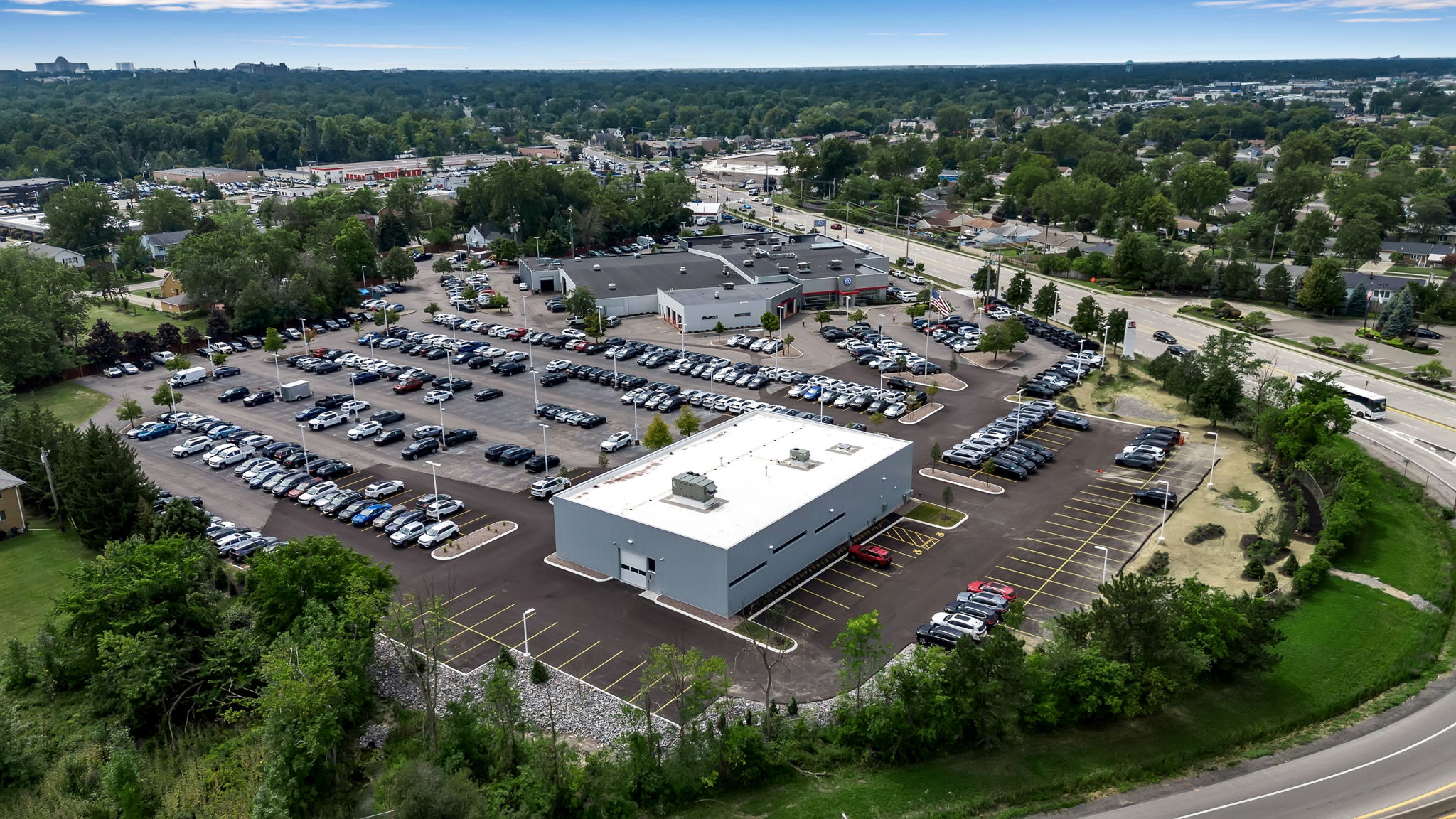
Auto Dealership Roofing
Auto Dealership Roofing roof work is planned around roof access, tenant timing, rooftop equipment, and operating hours that affect access and disruption.
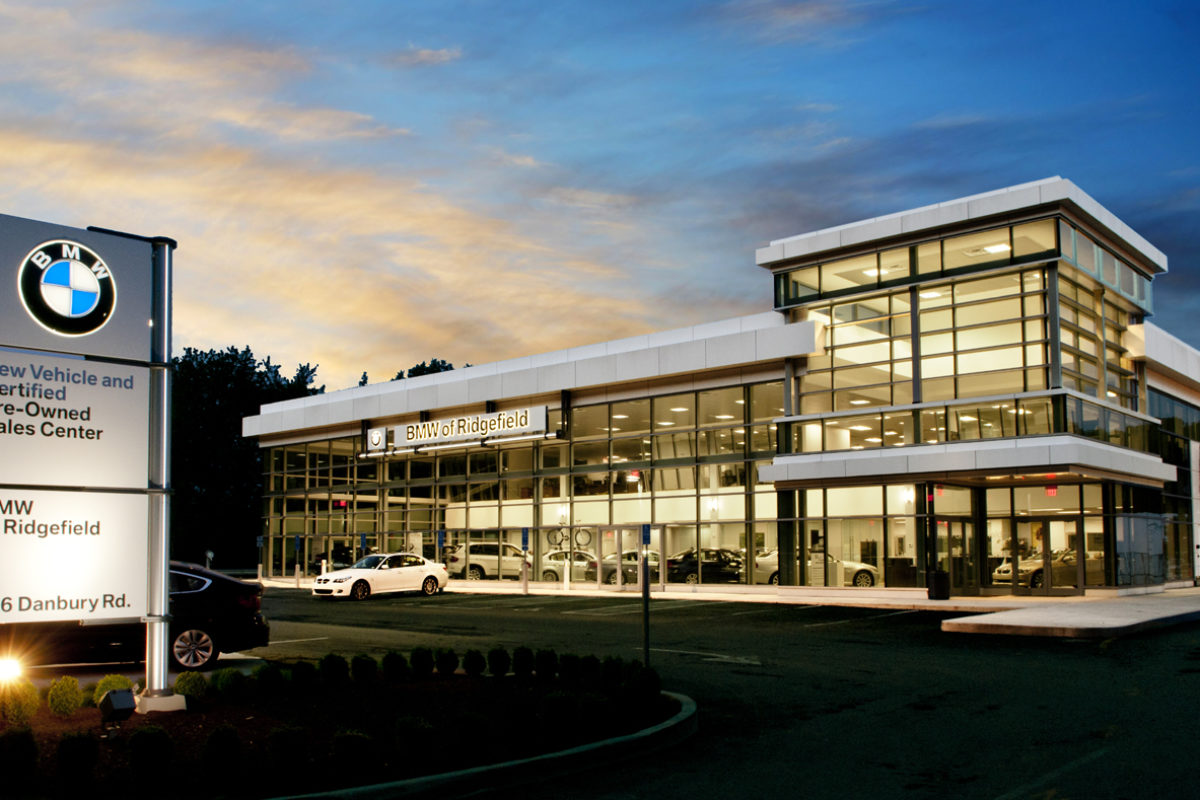
Automotive Manufacturing Facility Roofing in El Paso, TX
Automotive Manufacturing Facility Roofing in El Paso, TX roof work is planned around drainage paths, membrane age, rooftop equipment, and operating hours that affect access and disruption.
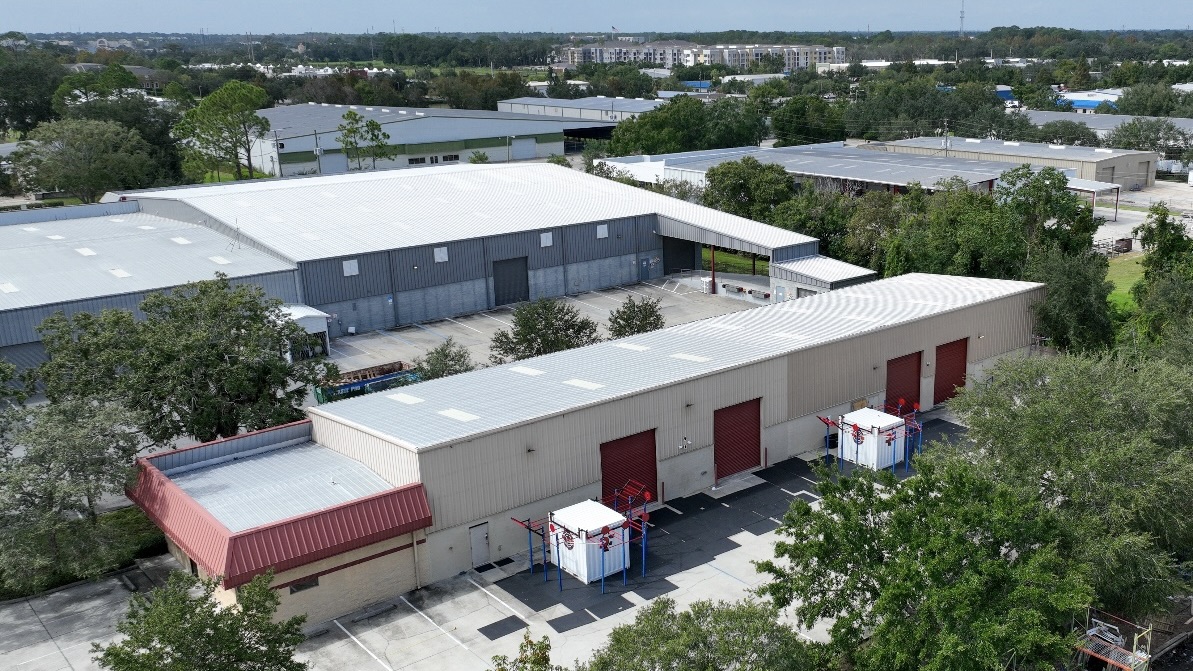
Commercial Roof Inspection in El Paso, TX
Commercial Roof Inspection in El Paso, TX starts with storm history, repair records, and drainage paths so the recommendation is tied to what the roof is showing.