
Automotive Manufacturing Facility Roofing in El Paso, TX
Commercial Roofers of El Paso handles automotive manufacturing facility roofing in el paso, tx with a roof walk, photo notes, repair priorities, and a clear plan for maintenance, recovery, coating, or replacement.
Automotive Manufacturing Facility Roofing Scope Notes
Reroofing an automotive plant is a logistics problem before it is a roofing problem. The deck is measured in acres, the line underneath has an hourly value the plant engineer can quote you to the dollar, and the roof is studded with process ventilation, paint exhaust, and conduit that all have to keep working while you tear off around them. El Paso and its sister manufacturing zones in the borderplex — the heavy maquila base across the river, the supplier and assembly plants feeding the auto industry, the press shops and component lines clustered around the Santa Teresa industrial parks and the Ysleta and Bridge of the Americas freight crossings — run exactly this kind of building. We approach those roofs as phased industrial projects, not as oversized commercial jobs.
Very large decks demand real phasing
A single automotive roof can run from several hundred thousand square feet to a few million under one envelope. You cannot mobilize that as one open tear-off and hope the weather holds. We section the deck into zones, sequence material staging and crane picks so we never exceed what the structure and the laydown areas can hold, and keep production rolling in the zones we are not touching. Every zone gets dried in and watertight before the crew leaves it, because on a roof this size an open section caught by a monsoon cell is not an inconvenience, it is flooded equipment on the floor below.
Process ventilation is the roof, not an obstacle on it
Manufacturing generates heat, weld smoke, oil mist, and fume that all have to leave through the roof. Assembly and powertrain plants carry dense fields of exhaust fans, makeup-air units, ductwork, and process stacks, and that ventilation cannot go down just because the roof is being replaced. We flash each penetration as its own detail, keep the exhaust and makeup-air systems live through the work, and coordinate any temporary shutdown of a unit with the plant so the floor never loses the ventilation it needs to keep running. The penetration count on one of these buildings rivals a hospital, and we inventory and document every one before new membrane goes down over it.
Paint shop zones change the rules
Press and machining vibration drive the membrane choices
Stamping presses, casting lines, and heavy machining put real vibration into the structure, and that vibration travels up into the roof. On a normal building, standard seam and flashing details are plenty. Over a large press line, the cyclic energy can fatigue a poorly welded seam or a glued lap over time. We account for the vibration exposure in press-adjacent zones — robust hot-air-welded seams, attachment that tolerates movement, and flashings detailed to flex rather than crack — so the assembly survives the environment it actually sits in.
Built for the El Paso sky
The roof system itself has to handle 300-plus days of intense high-desert sun and the short, violent monsoon season that rolls off the Franklin Mountains from July into September. We default to white reflective single-ply, typically 60- or 80-mil mechanically attached, to meet the regional cool-roof requirement and cut the solar load on a building that already fights process heat. Drainage is sized for the burst, not the modest annual rainfall, with overflow protection so a clogged drain over a production bay never becomes a ceiling failure. Where the existing roof ponds, tapered insulation corrects the slope the original build never gave it.
Recover or replace, decided on evidence
Older plants carry decades of roof history — built-up systems on the original structure, metal panels on later additions, and patch upon patch where past leaks were chased instead of solved. Before we recommend a scope we pull core samples to see how many layers are already up there, how wet the insulation is, and what the deck underneath actually weighs and can carry. Sometimes a recover over a sound assembly is the right call and saves the plant a full tear-off; other times the existing roof is saturated and structurally compromised and only a full replacement protects the equipment below. We make that call on what the cores and the structure tell us, not on whichever option is easier to sell.
Documentation a corporate facilities group can file
Automotive owners run on paperwork as much as production. We come to the project with the safety qualification, site-specific safety plan, and insurance these plants require to let a contractor on the roof, and we leave with a closeout package built to their standard: a roof zone diagram with the full penetration inventory, daily reports, permit records, manufacturer installation documentation, registered warranty, and a photographed condition survey. When a plant's engineering department has a required format, we deliver in that format so the records drop straight into their facilities system.
Automotive Manufacturing Roofing Questions
How do you keep the line running during a reroof?
By phasing. We document the shift schedule, map which zones sit over active production, and sequence the work zone by zone so we are never open over a running line. Each section is dried in before the crew leaves, and we stay in direct contact with the plant's maintenance lead throughout.
What about the exhaust and makeup-air systems?
They stay live. Process ventilation cannot go down with the roof, so we flash each penetration individually, keep the systems operating through the work, and schedule any unavoidable unit shutdown with the plant rather than springing it on the floor.
How do you handle the paint shop roof?
With a hot-work plan agreed with EHS before we start. No torch or open flame over the booths, and cold adhesive or mechanical attachment in the paint-adjacent zones. We plan the system around those limits from the spec stage.
Does press vibration really affect the roof?
Over large stamping and machining lines, yes. Cyclic vibration can fatigue weak seams over time, so we use robust welded seams and movement-tolerant flashing in press-adjacent zones instead of a generic detail.
Can you handle Tier 1 and Tier 2 supplier plants too?
Yes. Suppliers often run just-in-time with zero tolerance for downtime. We treat them like the assembly plants — map the production schedule, sequence the roof around it, and keep daily communication with the facilities contact.
Related Roof Paths
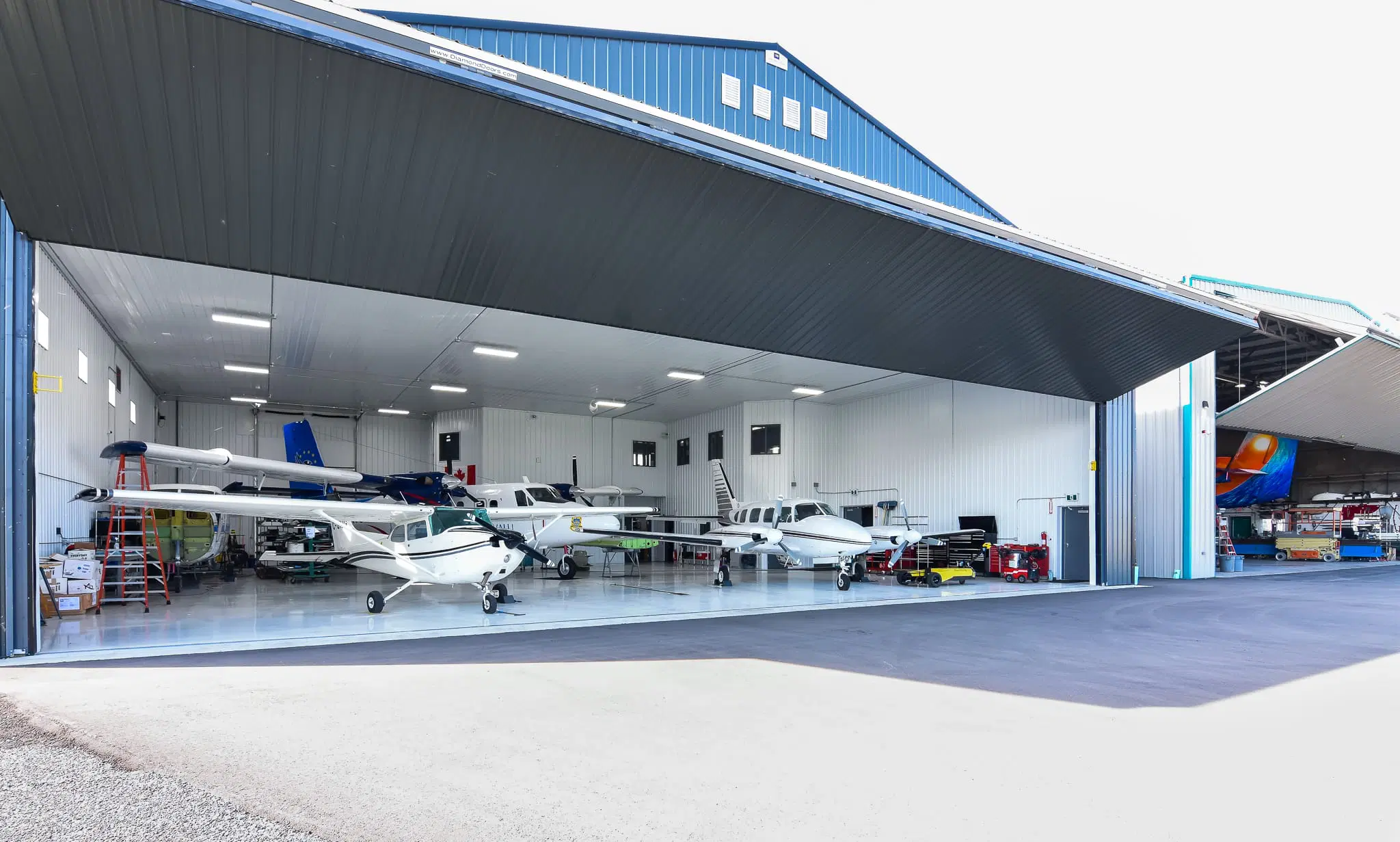
Airport Terminal & Aviation Facility Roofing in El Paso, TX
Airport Terminal & Aviation Facility Roofing in El Paso, TX roof work is planned around heat exposure, drainage paths, rooftop equipment, and operating hours that affect access and disruption.
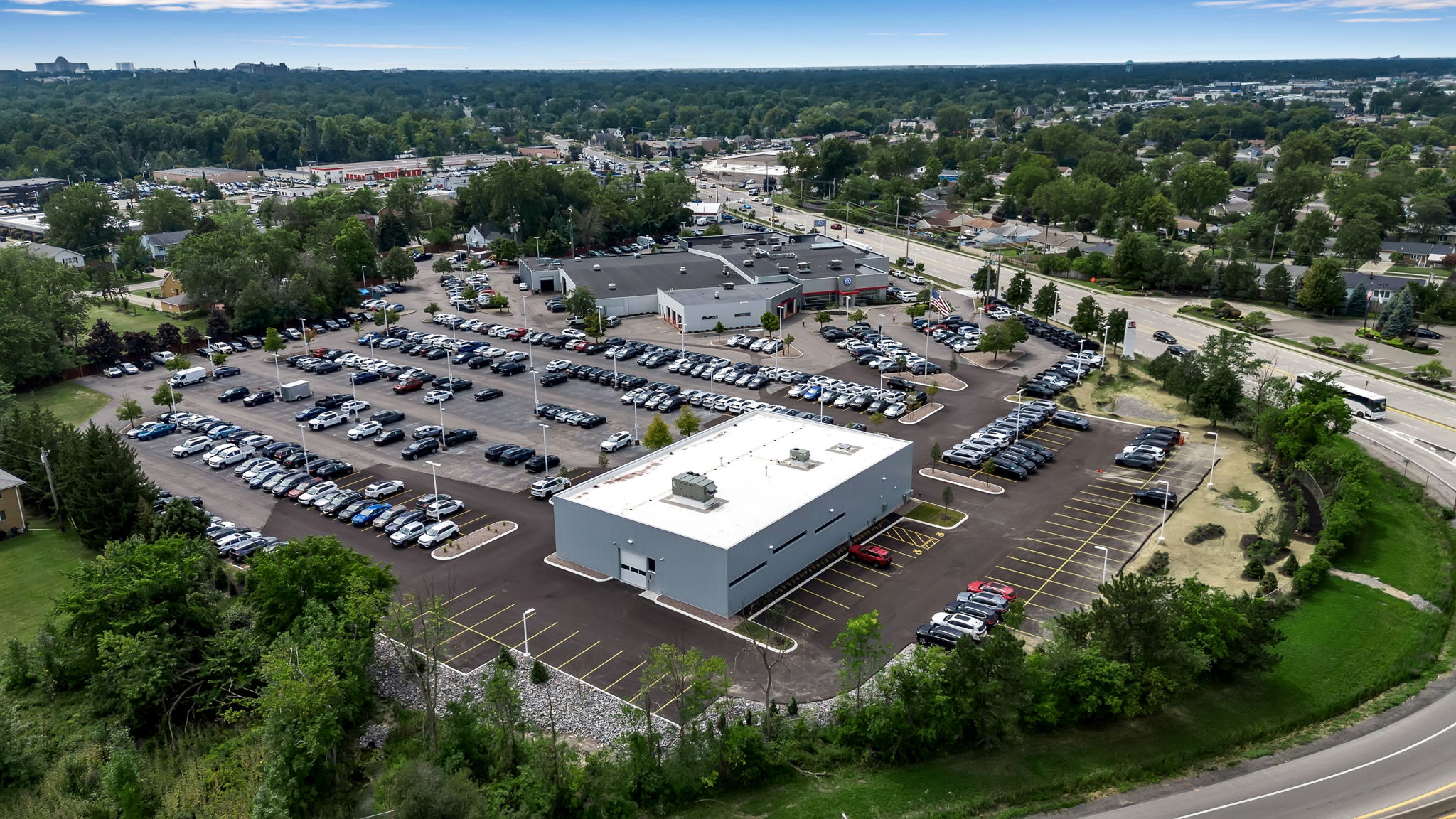
Auto Dealership Roofing
Auto Dealership Roofing roof work is planned around roof access, tenant timing, rooftop equipment, and operating hours that affect access and disruption.
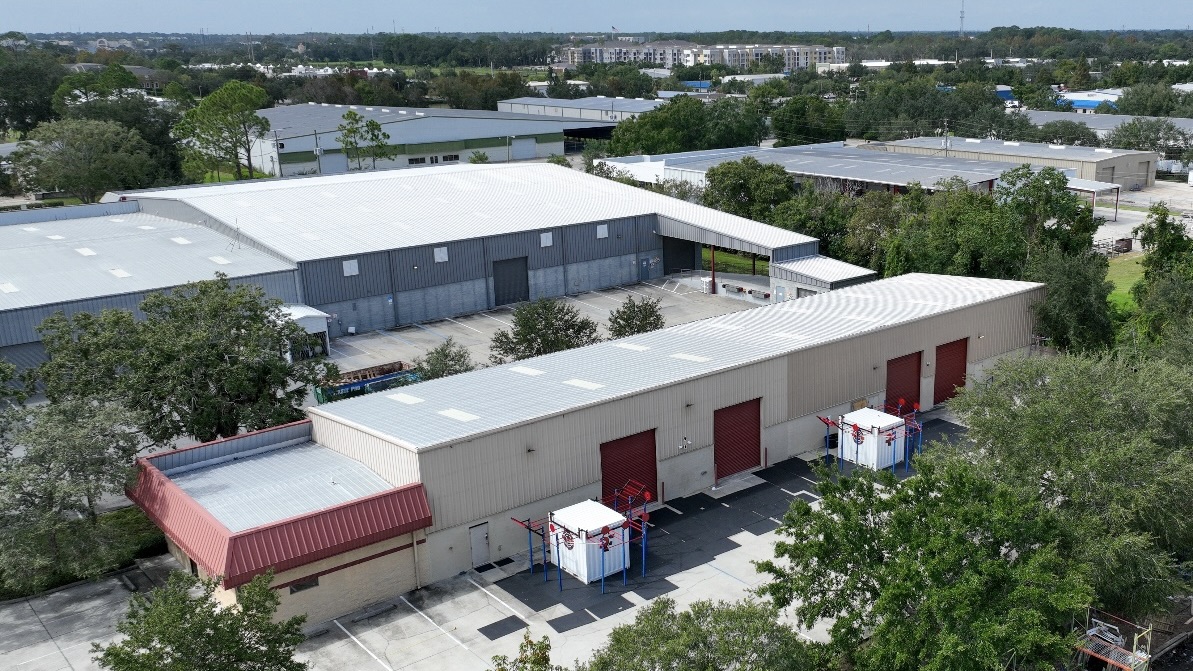
Commercial Roof Inspection in El Paso, TX
Commercial Roof Inspection in El Paso, TX starts with storm history, repair records, and drainage paths so the recommendation is tied to what the roof is showing.