
Car Wash Facility Roofing in El Paso, TX
Commercial Roofers of El Paso handles car wash facility roofing in el paso, tx with a roof walk, photo notes, repair priorities, and a clear plan for maintenance, recovery, coating, or replacement.
Car Wash Facility Roofing Scope Notes
A car wash roof fails from the inside out, and that is the part most contractors miss. We roof the express tunnels along Gateway Boulevard, the in-bay automatics tucked into strip centers off Mesa Street, and the self-serve operations scattered through the Lower Valley and Northeast — and on every one of them the threat to the deck comes from below, not from the desert sun above. El Paso sits in the Chihuahuan Desert where outdoor humidity runs in the teens, but inside a wash bay the air is saturated. That contrast is exactly what tears these roofs apart.
Demand for washes here is relentless, which is why the roofs take such a beating. El Paso runs on blowing dust off the desert basin, salted winter roads coming down from the Franklins, and a constant stream of cross-border and I-10 traffic through the ports of entry at the Bridge of the Americas and Ysleta. Vehicles come in filthy and leave clean all day long, every season, and the wash equipment never really rests. A roof over an operation that busy cannot be an afterthought — it has to be engineered for the load it actually carries.
Why a wash bay roof is its own problem
Every cycle pushes warm, chemically loaded vapor straight up into the deck. Hot-water mist carries detergent, presoak, tire-shine solvent, drying agents, and the rust inhibitors that wash off undercarriages, and all of it condenses on the underside of the roof assembly. Steel deck corrodes. Fastener heads rust and back out. Insulation facers delaminate. The membrane on top can look new while the structure beneath it quietly rots. Anyone who only inspects from above and pronounces the roof fine has looked at the wrong half of it.
We treat the tunnel enclosure as a separate roof from the rest of the building, because it behaves like one. The vapor drive in a wash bay never reverses the way it does on a normal commercial roof — it pushes up nearly all the time the wash is running. That dictates a different assembly: a vapor retarder over the deck so moisture cannot reach the insulation, corrosion-resistant fasteners and plates, and a membrane chosen for chemical tolerance rather than price.
Membrane and detailing choices that actually hold up
For tunnel and bay roofs we lean toward PVC and KEE-based single-ply. Their plasticizer chemistry shrugs off the alkaline soaps and surfactant blends that leach plasticizer out of cheaper membranes and leave them brittle. We will not spec a standard TPO over an active wash tunnel without confirming the soap program first, because the wrong pairing turns a twenty-year membrane into a five-year one. Seams get hot-air welded and probe-tested, since a glued lap exposed to constant solvent vapor is a future leak.
The exhaust fans matter just as much as the membrane. A good wash runs high-volume fans to pull steam and vapor out of the tunnel, and every one of those penetrations is a corrosion and leak point. We build oversized, fully welded curbs, keep welds away from the direct vapor stream where we can, and flash each penetration as its own detail instead of stamping the same boot on everything.
Canopies, vacuums, and the transitions between them
Drainage in a low-rain climate that still ponds
El Paso averages under ten inches of rain a year, which fools owners into thinking drainage does not matter. It does. When the monsoon bursts come off the Franklin Mountains in July and August, an undersized or sediment-clogged drain backs water onto a flat bay roof in minutes, and that standing water sits on a deck already stressed by interior humidity. We check drain sizing and add tapered insulation to move water off bay roofs where the original slope was never adequate.
Working around a wash that does not want to close
Car washes here run seven days a week, and the busy hours track the dust and the post-storm rush. We schedule tunnel work for the early-morning or late-evening dead hours, keep each section dried in before reopening, and run external building and canopy work during operating hours with the lanes coned off and crews clear of moving vehicles. The goal is a roof that lasts in this environment, not a teardown that costs the owner a week of revenue.
Car Wash Roofing Questions
Why does my membrane look fine but the roof still leaks?
Because the damage is usually under the membrane. Constant interior humidity corrodes the deck and fasteners from below, so the top surface can pass a visual while the assembly is failing. We open a test cut and check the deck and insulation, not just the surface.
What membrane do you put over an active wash tunnel?
PVC or KEE single-ply, fully welded, after we review the soap and chemical program. Those membranes resist the alkaline detergents and solvents that strip plasticizer out of standard TPO. The rest of the building can run a more conventional system.
Do I really need a vapor retarder?
Over a wash bay, yes. The vapor drive points up almost continuously while the wash runs, and without a retarder over the deck that moisture loads the insulation and corrodes the structure. It is the cheapest insurance on the whole assembly.
Can you reroof without shutting the wash down?
In most cases. We phase tunnel work into the early and late dead hours and handle building and canopy areas during business hours with traffic control. Each zone is watertight before the lanes reopen.
Will you handle the vacuum canopies and the customer side too?
Yes. Vacuum canopies, customer waiting covers, and the canopy-to-building transitions are part of the scope. Those transitions leak more than the main roof, so we re-flash them as a matter of course.
Related Roof Paths
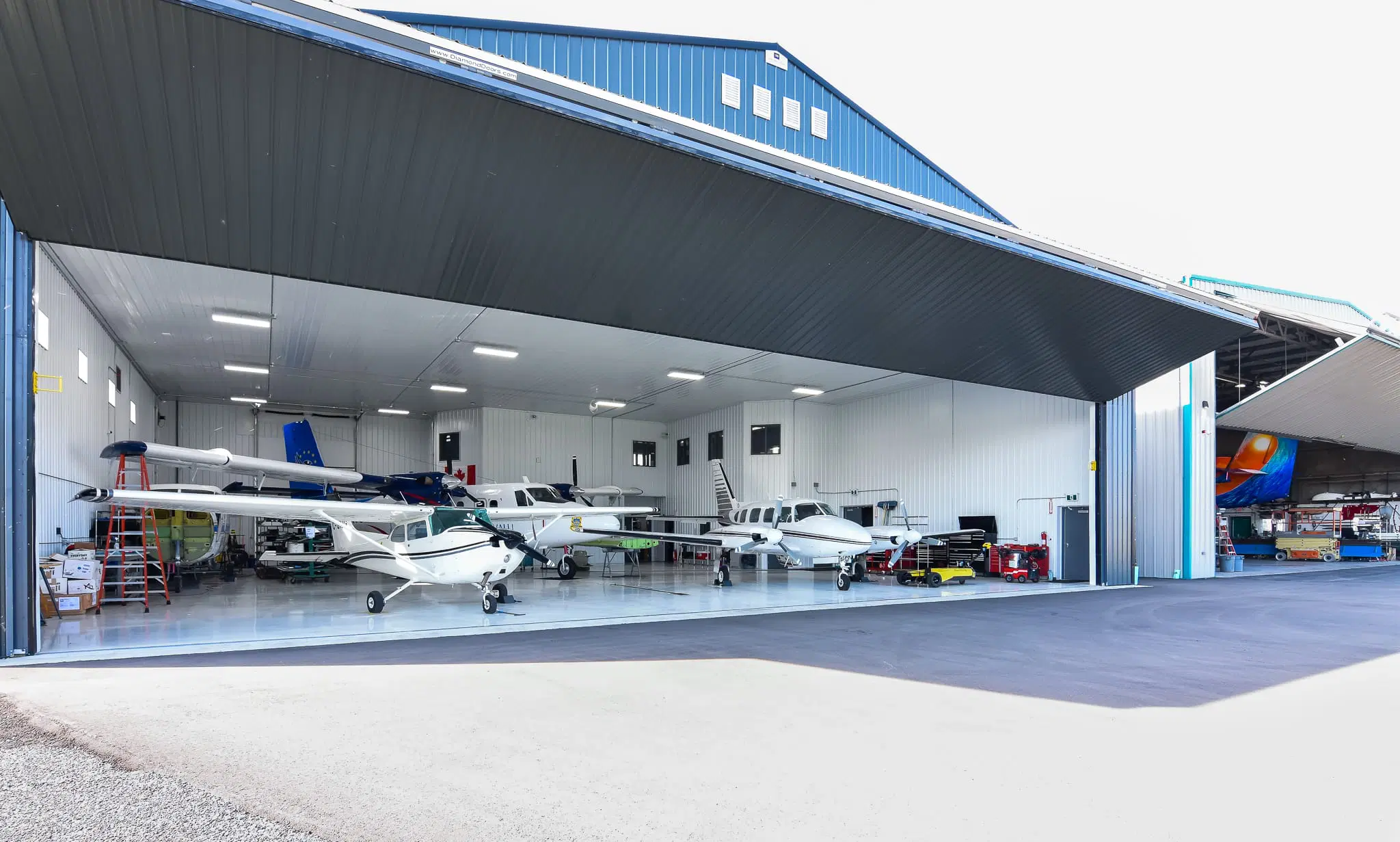
Airport Terminal & Aviation Facility Roofing in El Paso, TX
Airport Terminal & Aviation Facility Roofing in El Paso, TX roof work is planned around heat exposure, drainage paths, rooftop equipment, and operating hours that affect access and disruption.
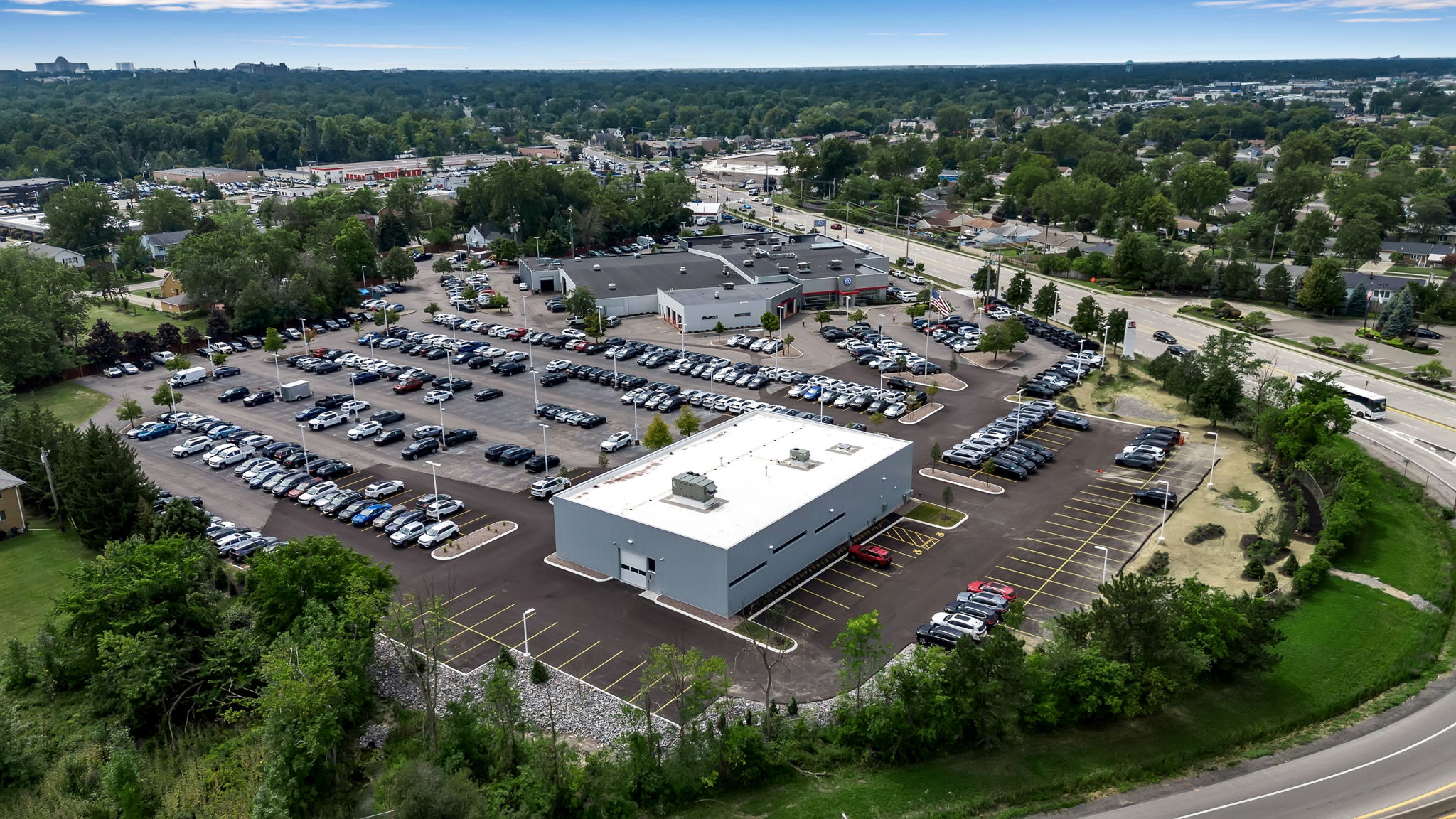
Auto Dealership Roofing
Auto Dealership Roofing roof work is planned around roof access, tenant timing, rooftop equipment, and operating hours that affect access and disruption.
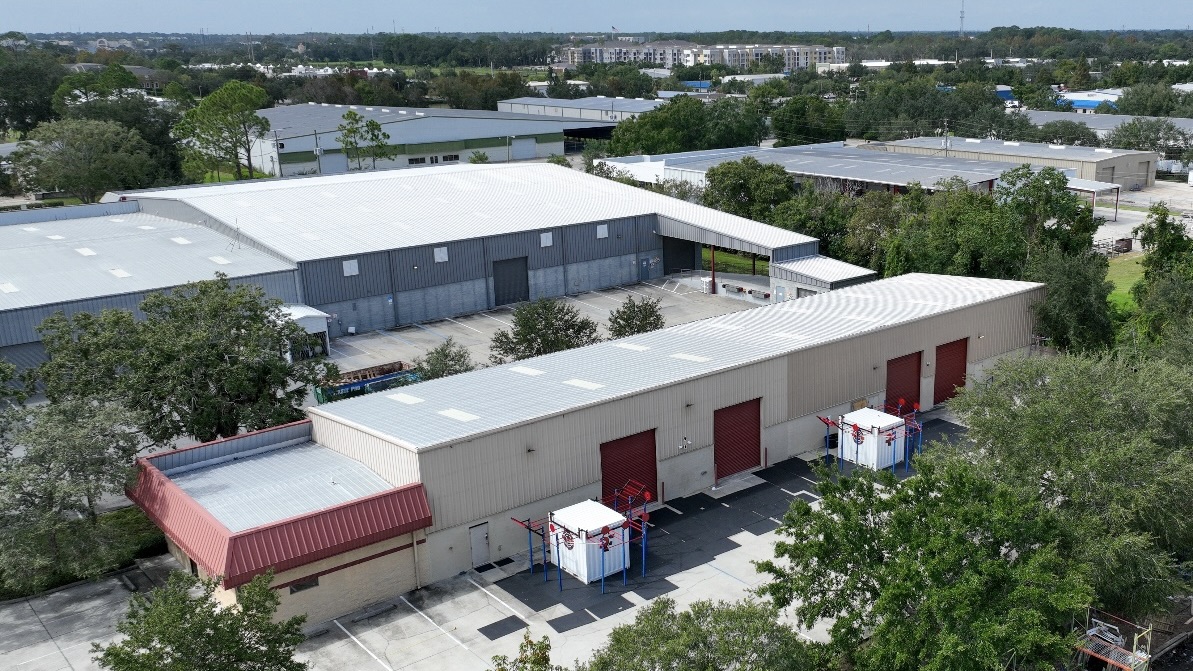
Commercial Roof Inspection in El Paso, TX
Commercial Roof Inspection in El Paso, TX starts with storm history, repair records, and drainage paths so the recommendation is tied to what the roof is showing.