
Food Processing Facility Roofing in El Paso, TX
Commercial Roofers of El Paso handles food processing facility roofing in el paso, tx with a roof walk, photo notes, repair priorities, and a clear plan for maintenance, recovery, coating, or replacement.
Food Processing Facility Roofing Scope Notes
A food plant fights moisture from two directions, and the roof sits in the middle of that fight. From below comes the warm, wet air of daily washdown and steam cooking. From above, in the few weeks a year it matters, comes a hard monsoon burst. Get the assembly wrong and you trap water inside it where nobody can see the damage until the deck is rusting and a ceiling panel stains over a packaging line. El Paso has a deep food and beverage manufacturing base — produce repackers and cold distribution feeding off the Santa Teresa and Ysleta border crossings, tortilla and Mexican-food producers, beverage and bottling operations, and the cross-dock cold chains along the Pan American freight corridor — and every one of those buildings lives or dies on how its roof handles humidity.
Washdown humidity is the load that never lets up
Sanitation crews hose down a processing room every single shift change. That water becomes vapor, the vapor rises, and it pushes up into the roof assembly far more aggressively than it does on a normal commercial building. Without a properly placed vapor retarder over the deck, that moisture migrates into the insulation, drops the R-value, and corrodes a steel deck from the top down. We design the assembly for continuous interior humidity: vapor control sized to the room below, fasteners and plates that resist corrosion, and details that keep the wet air out of the layers that are supposed to stay dry.
Refrigeration loads and the cold-chain trap
Freezer rooms, blast cells, and chill coolers change the physics of the roof above them. The vapor drive over a freezer can run the opposite direction from the rest of the plant, and if the insulation and vapor retarder are not detailed for that specific room, condensation forms inside the assembly and quietly destroys it with no leak ever showing at the surface. On top of that, refrigeration means heavy rooftop condensers and the structural load that comes with them. We confirm the deck can carry the equipment, design tapered insulation around each cold space's operating temperature, and treat the roof over a freezer as a deliberate engineering problem rather than a copy of the bay next door.
Materials have to pass the food-safety plan, not just the spec sheet
The sanitation window runs the schedule
These plants run two and three shifts, and the only time the line truly stops is the sanitation window. Any work that opens the envelope over an active room happens in that window, with the QA manager confirming the floor is clean and protected before we cut, and dried back in before production resumes. We phase the entire project around the plant's clock — the roof bends to the production schedule, never the reverse — and we keep a same-day emergency dry-in response ready, because a leak over a running line is a product-hold decision, not a callback.
Drainage built for the burst
The desert fools people. El Paso averages under ten inches of rain a year, so drains get ignored until a July storm comes off the Franklins and dumps an inch in an afternoon. Ponding over a freezer also piles extra thermal load onto the refrigeration system and accelerates deck corrosion. We size drains and overflow scuppers for the monsoon burst, add tapered insulation to pull standing water off low spots, and keep the outlets on a maintenance plan so blowing desert dust does not silt them shut.
Keeping the roof inspection-ready
Roof condition is on the checklist when USDA or FDA inspectors walk a plant. Stains, active drips, visible condensation, and deteriorating flashing all read as moisture entry points over food, and they can turn an otherwise clean audit sour. We give the QA team a documented condition survey and a repair record they can put in front of an inspector to show the roof is being managed proactively, and we structure preventive maintenance so small issues get caught at a scheduled walk instead of during a production run.
Reroofing without contaminating the line
Replacing a roof over a running food plant means controlling debris as tightly as water. Tear-off generates dust and old-roofing fragments that cannot be allowed to drift toward exposed product or open equipment. We isolate the work zone, contain and remove debris before it can migrate, and coordinate every cut over a production area with the plant's sanitation and QA staff so the floor below is protected or idle. The result is a new roof installed over a working facility without ever turning the project itself into the contamination risk we were hired to prevent.
Food Processing Facility Roofing Questions
Can you use any commercial roofing material over our production floor?
No. Membranes, adhesives, primers, and sealants all have to be confirmed acceptable for a food-contact environment. We check every product against your food-safety plan first — several standard roofing adhesives are solvent-based and not permitted near production.
How do you keep washdown humidity from wrecking the roof?
With vapor control sized to the rooms below and corrosion-resistant fasteners and flashings. Daily washdown drives wet air up into the assembly, so we keep that moisture out of the insulation and off the deck rather than letting it accumulate unseen.
What is different about roofing over freezers and coolers?
The vapor drive can reverse and the rooftop carries heavy condenser loads. We detail the vapor retarder and tapered insulation for each cold space's operating temperature and verify the deck can hold the equipment, so condensation never forms inside the assembly.
When can you actually do the work?
In your sanitation window. We confine envelope work over active rooms to the period the line is down and sanitized, get the QA sign-off before we open anything, and dry each section back in before production restarts.
What happens if a leak hits during a run?
We respond same-day for temporary dry-in and support your product-hold and documentation process. A leak over a live line is a food-safety event, so we treat emergency response as part of the job, not an afterthought.
Related Roof Paths
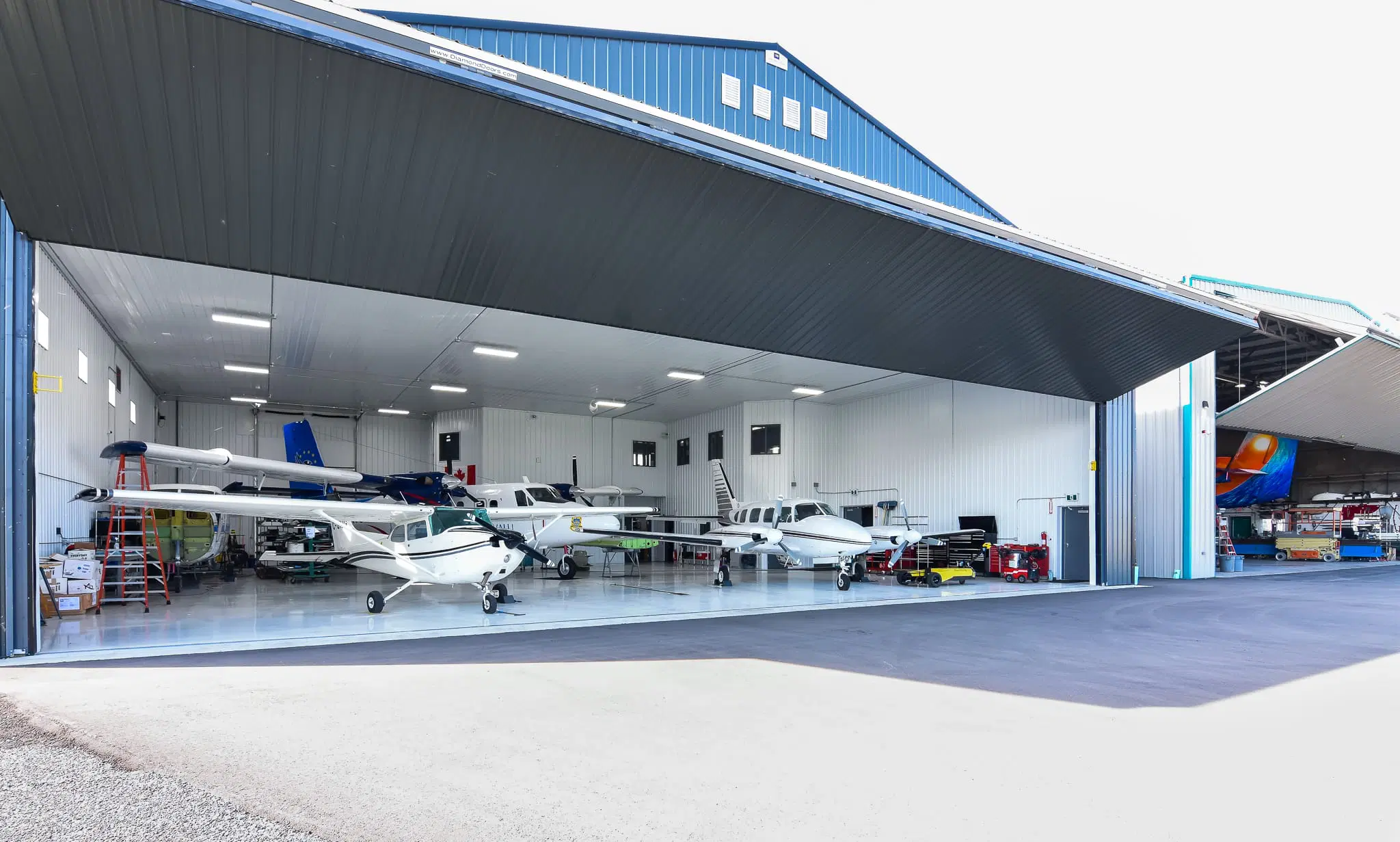
Airport Terminal & Aviation Facility Roofing in El Paso, TX
Airport Terminal & Aviation Facility Roofing in El Paso, TX roof work is planned around heat exposure, drainage paths, rooftop equipment, and operating hours that affect access and disruption.
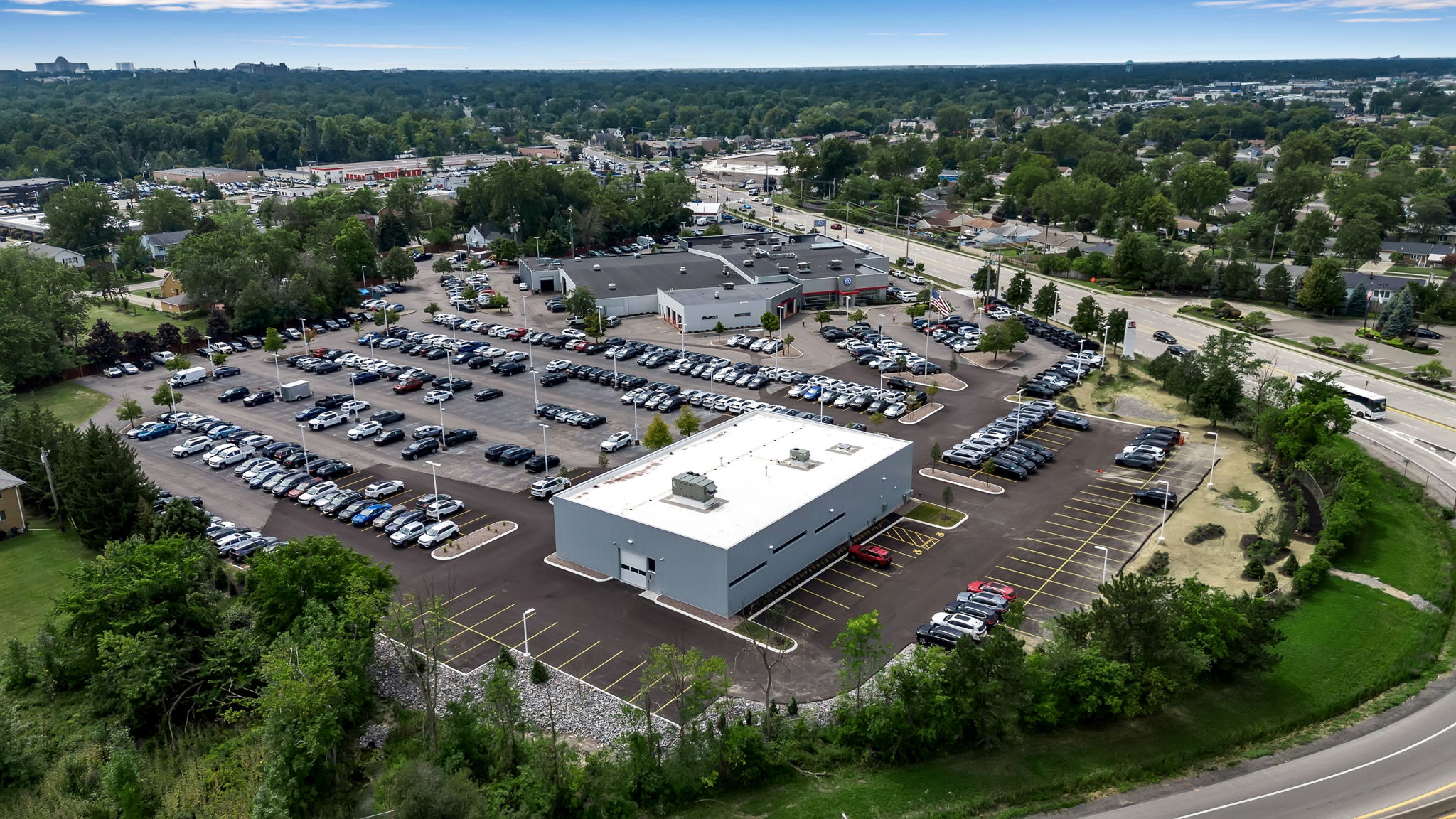
Auto Dealership Roofing
Auto Dealership Roofing roof work is planned around roof access, tenant timing, rooftop equipment, and operating hours that affect access and disruption.
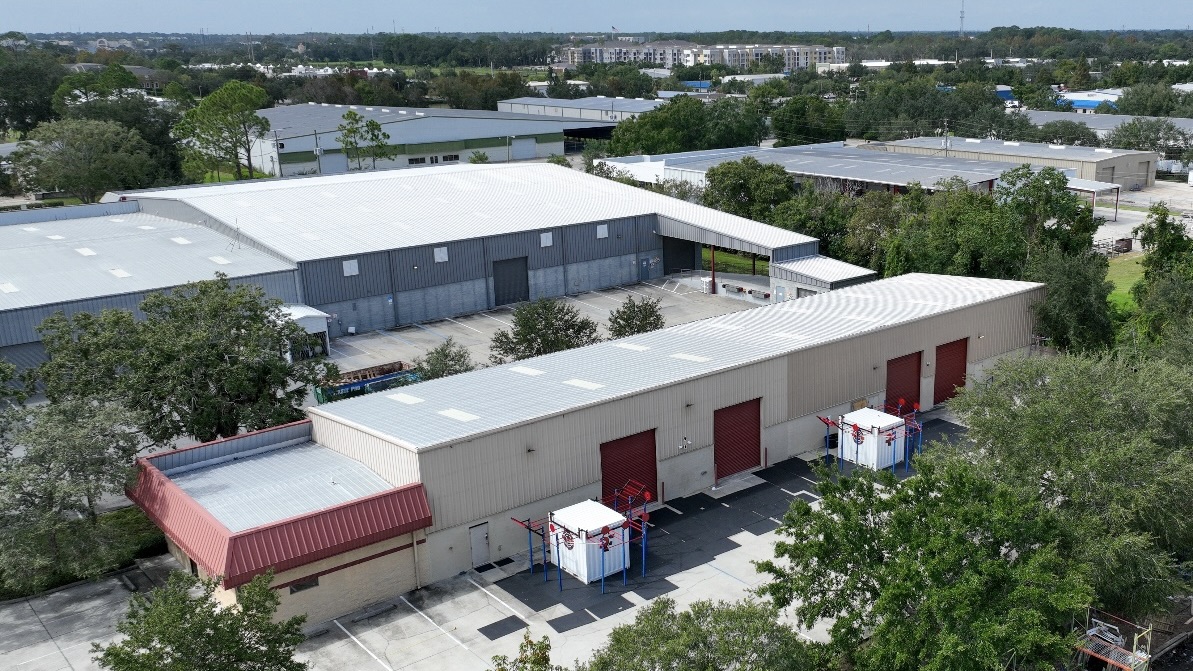
Commercial Roof Inspection in El Paso, TX
Commercial Roof Inspection in El Paso, TX starts with storm history, repair records, and drainage paths so the recommendation is tied to what the roof is showing.