
Mixed-Use Development Roofing in El Paso, TX
Commercial Roofers of El Paso handles mixed-use development roofing in el paso, tx with a roof walk, photo notes, repair priorities, and a clear plan for maintenance, recovery, coating, or replacement.
Mixed-Use Development Roofing Scope Notes
Mixed-Use Development Roofing in El Paso, TX
A mixed-use building is really several buildings stacked together, and the roofing scope has to respect that. Ground-floor retail, office floors, residential units, and an integrated parking deck each carry their own occupancy schedule, mechanical load, and tolerance for disruption — and a leak in one use is a problem for all of them. El Paso's appetite for this format has grown alongside the redevelopment of Downtown and the Union Plaza district, where the El Paso Union Depot and a stock of early-1900s industrial buildings have been converted into ground-floor commercial space with housing and offices above, and along corridors near Cincinnati Avenue and the medical district where new ground-up projects mix street-level retail with apartments. Getting the roofing right on these buildings means understanding how the uses interact vertically, not treating the whole thing as one flat plane.
The Podium Deck Is Waterproofing, Not Roofing
The detail that gets misjudged most often on a mixed-use building is the podium — the structural deck that separates retail or parking at grade from the residential or office levels above. People treat it like a low-slope roof, and it is not. A podium is an occupied, traffic-bearing assembly that takes structural deflection, constant hydrostatic pressure under any planter or landscaped plaza, root intrusion, and in some cases vehicle loads. It needs a traffic-bearing waterproofing membrane, drainage composite, and a root barrier specified together and coordinated with the structural engineer on the load path. Put a standard roofing membrane on a podium and it typically fails within a few years, and on a mixed-use building that failure shows up as water in a leased retail space or a resident's ceiling.
El Paso's climate adds a wrinkle people from wetter markets miss. The deck bakes under intense high-desert UV and swings through large daily temperature changes, then takes a sudden monsoon-season downpour that has to drain off a flat occupied surface with no margin for ponding. The waterproofing assembly and the drainage have to be designed for that combination, not for a generic flat roof.
There is also the question of what sits on top of the podium. A landscaped plaza, raised pavers on pedestals, a planter bed, or a dining patio for a ground-floor restaurant tenant each change the assembly. Pavers shift the wear point to the protection layer and the pedestal bearing, planters introduce constant moisture and root pressure, and a restaurant patio adds grease, foot traffic, and drainage demands all at once. We confirm the intended surface and use before we specify the waterproofing, because a deck built for clean foot traffic is not the same deck that holds up under a planted plaza or a busy patio.
Upper Levels and Amenity Decks
Above the podium, the residential or office roof brings its own list: parapet drainage, mechanical penthouse flash-throughs, elevator overrun enclosures, and increasingly a rooftop amenity deck. Those amenity decks — common now on mid-rise projects across El Paso — are another traffic-bearing waterproofing assembly hidden under a finish surface, not a standard membrane, and we specify, install, and warranty them in coordination with the deck-finish contractor and the structural engineer of record. Downburst winds during the spring dust-front season also drive the parapet and edge-metal detailing on these taller roofs, where uplift exposure is higher than at grade.
Working Above Occupied Retail and Residents
By the time roofing happens, the lower floors are often already leased and occupied. That changes the job. We build a phasing plan that sequences work to keep impact off residents and retail tenants, develop noise, vibration, and dust containment before mobilizing, and coordinate elevator and common-area access with building management so the freight path for materials does not collide with people living and shopping below. Daily dry-in is confirmed in writing before each work day ends, because a watertight failure overnight lands on an occupied unit.
Warranty Coordination Across Uses
The piece that ties a mixed-use roof together is warranty coordination. A single building may carry a podium waterproofing warranty, a field-membrane warranty on the upper roof, and an amenity-deck assembly warranty, each from a different manufacturer with different inspection and registration requirements. If those are not coordinated, an owner ends up with gaps in coverage exactly at the transitions where water is most likely to move between systems. We map the warranties to the assemblies up front, handle the manufacturer rep inspections at the critical phases each system requires, and register every warranty in the owner's name at closeout so the coverage is continuous from the parking deck to the parapet.
Coordinating With the Project Team
Mixed-use work means working alongside the general contractor, the MEP subs, the structural engineer, and often a building-envelope consultant at the same time. We operate inside the project's submittal and quality-control framework — architect-reviewed submittals, manufacturer technical approval, mock-up testing before full installation, QC inspection reports — from preconstruction through final. None of that is new territory; it is how these projects are run, and how the warranty actually holds.
Common Questions About Mixed-Use Roofing in El Paso
What is the difference between roofing and waterproofing on a podium deck?
A roofing membrane is built for low-slope drainage and occasional maintenance traffic. A podium waterproofing membrane has to handle structural deflection, root intrusion from landscaping, constant hydrostatic pressure under planters, and pedestrian or vehicle loads. Using a roofing membrane on a podium or plaza deck is the wrong specification and usually fails within a few years.
How do you handle work above occupied residential and retail levels?
With a detailed phasing plan, noise, vibration, and dust containment developed before mobilization, coordinated elevator and common-area access, and written daily dry-in confirmation before each day ends. We do not demobilize unless the work area is watertight.
Do you handle rooftop amenity decks?
Yes. Amenity decks need a traffic-bearing waterproofing assembly under the finish surface, which we specify, install, and warranty in coordination with the deck-finish contractor and the structural engineer.
How is the warranty handled across different roof systems?
We map each warranty to its assembly up front, run the manufacturer inspections each system requires, and register everything in the owner's name at closeout so coverage is continuous across the podium, the upper roof, and any amenity deck.
Can you work on an occupied mixed-use building during a renovation?
Yes. Occupied mixed-use work is routine for us in El Paso's urban core. It takes disciplined daily dry-in, phased sequencing, and coordinated notice to building management and affected tenants.
Related Roof Paths
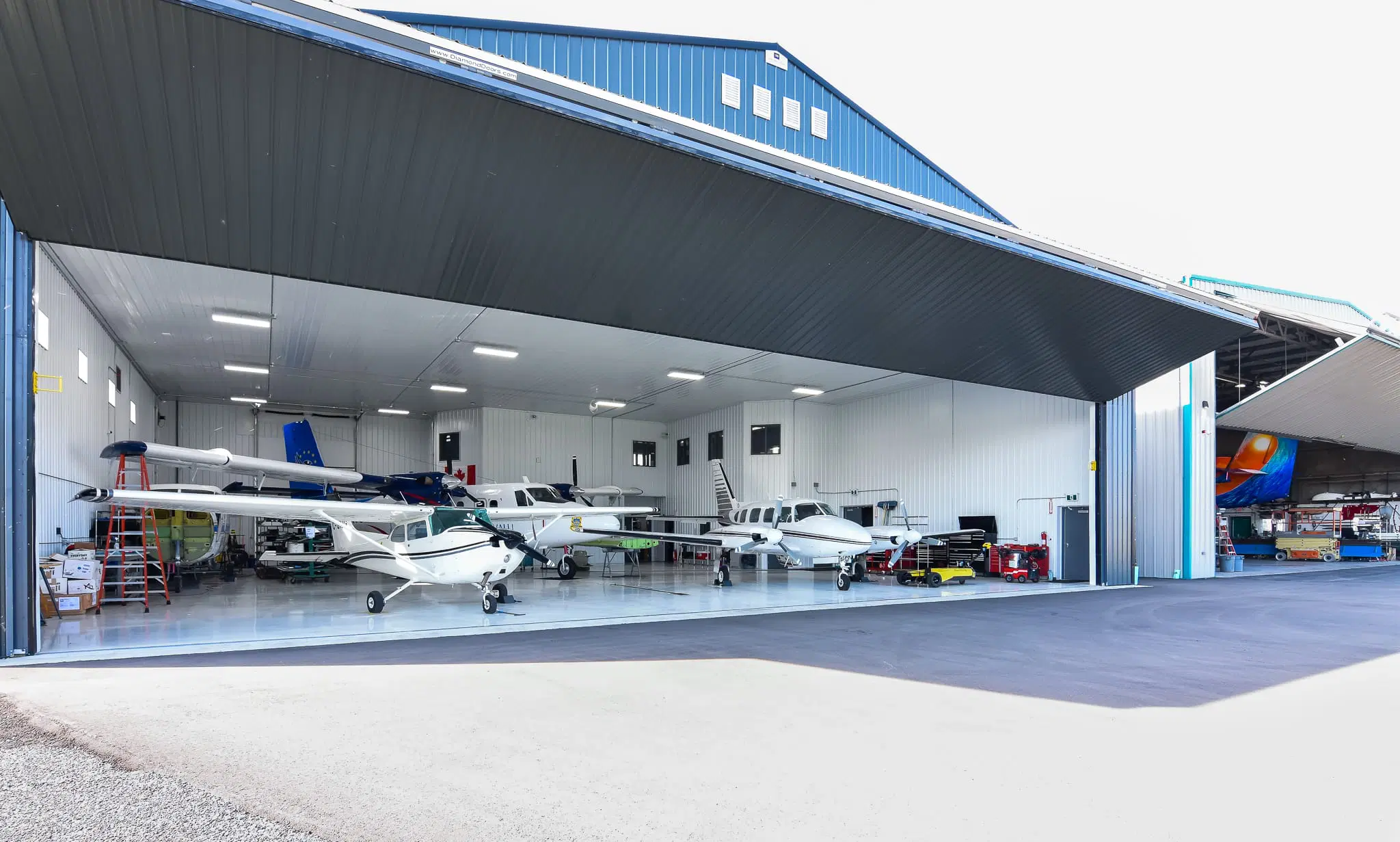
Airport Terminal & Aviation Facility Roofing in El Paso, TX
Airport Terminal & Aviation Facility Roofing in El Paso, TX roof work is planned around heat exposure, drainage paths, rooftop equipment, and operating hours that affect access and disruption.
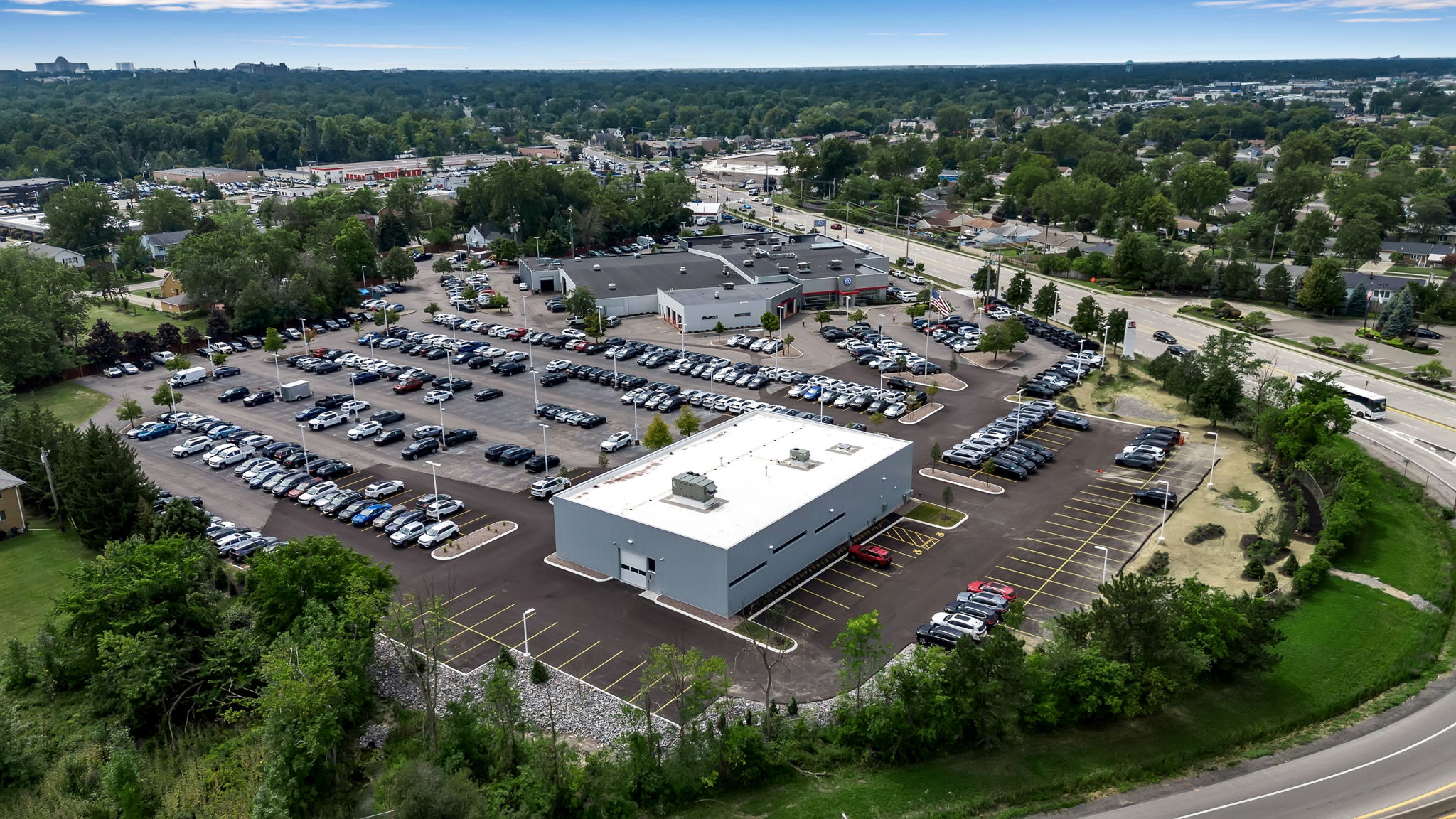
Auto Dealership Roofing
Auto Dealership Roofing roof work is planned around roof access, tenant timing, rooftop equipment, and operating hours that affect access and disruption.
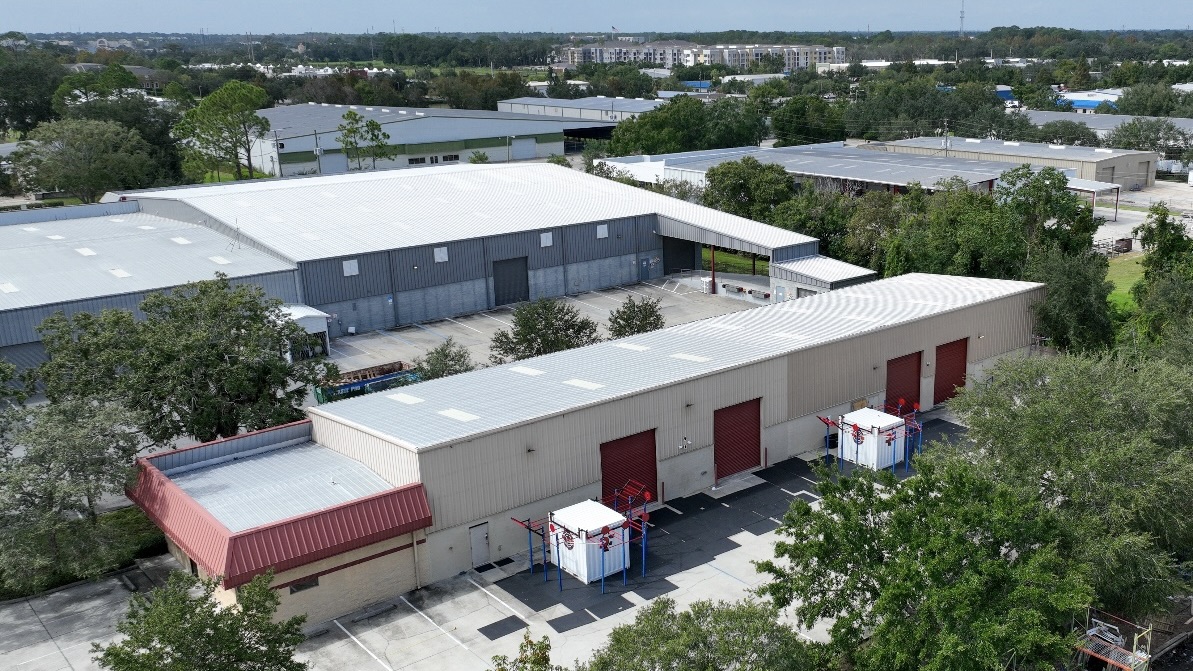
Commercial Roof Inspection in El Paso, TX
Commercial Roof Inspection in El Paso, TX starts with storm history, repair records, and drainage paths so the recommendation is tied to what the roof is showing.