
Pharmaceutical & Laboratory Roofing in El Paso, TX
Commercial Roofers of El Paso handles pharmaceutical & laboratory roofing in el paso, tx with a roof walk, photo notes, repair priorities, and a clear plan for maintenance, recovery, coating, or replacement.
Pharmaceutical & Laboratory Roofing Scope Notes
On a pharmaceutical or lab roof, the membrane is not the deliverable. A leak-free environment over equipment that cannot get wet is the deliverable, and everything we do works backward from that. El Paso has a real research and life-sciences footprint — the Texas Tech University Health Sciences Center campus and the Paul L. Foster School of Medicine, the Medical Center of the Americas innovation district near downtown, the clinical and diagnostic labs clustered along the hospital corridors, and the regulated quality and testing labs embedded in the maquila-driven manufacturing base that straddles the border. The roofs over those spaces carry a different standard than the warehouse next door.
The roof exists to protect what is under it
A compounding pharmacy, a GMP production suite, a clinical lab, a stability chamber — one drip in the wrong place is not a maintenance ticket. It is potential product loss, a quarantine, a deviation report, and in a regulated environment an event somebody has to explain to an auditor. We plan these projects to prevent that outcome, not to react to it. That means staging tear-off so an active suite is never open to the sky, keeping every section dried in at the end of each shift, and treating water intrusion as the failure mode that drives the whole sequence.
Cleanroom HVAC turns the roof into a field of penetrations
The mechanical density over a lab building is the real work. Cleanrooms are served by dedicated air handlers that hold tight pressure differentials, and those systems plant a forest of curbs, ducts, exhaust stacks, and conduit across the deck. Each one is a discrete flashing detail, not a repeated boot. Flashing a curb that feeds a positive-pressure cleanroom is also not a job you can do without coordinating with the facility's mechanical team — disturb the balance and you can pull contamination into a space that is supposed to be cleaner than the air around it. We schedule penetration work around HVAC service windows and confirm the room recovers its pressure before we walk away.
Lab exhaust chemistry decides the membrane
Fume-hood and process exhaust is the quiet killer of single-ply over a lab. Solvent and acid vapors leave the stack, condense, and rain a dilute chemical mist back down onto the membrane within a few feet of the discharge. A standard membrane in that fallout zone embrittles and cracks years early, and the manufacturer's warranty usually excludes exactly that exposure. So we ask what comes out of the stacks before we spec anything. In the fallout zones we use chemically resistant PVC or KEE single-ply and detail the surrounding field for the specific vapor stream rather than assuming one membrane fits the whole roof.
Building the assembly for the desert and the building's own loads
El Paso weather is mild until the day it is not
Owners look at ten inches of annual rainfall and assume the roof is easy. The risk here is not volume, it is concentration and grit. Monsoon cells roll off the Franklin Mountains in July through September and dump hard, fast water that overwhelms an undersized drain in minutes, and the prevailing winds carry fine desert dust that silts up drains and scuppers year-round. On a lab building, a single backed-up drain over the wrong room is the whole ballgame. We size drainage for the burst, not the annual total, add overflow scuppers as a fail-safe, and keep the drains on the maintenance plan so a dust-clogged outlet never becomes a ceiling stain over an instrument.
Reroofing a building that never empties out
Most of these campuses cannot decant their tenants for a roof. Research runs, production runs, and the labs underneath stay live the entire time. We handle that by breaking the roof into small daily phases tied to the rooms below, briefing the facility on exactly which suite sits under tomorrow's work, and putting the loud or vibration-heavy operations on a schedule the sensitive equipment can absorb. The owner always knows what is happening over which room, and the building keeps doing its job while the roof gets replaced over its head.
Access, security, and a closeout an auditor will accept
Regulated buildings control who gets on the roof and what gets documented. We handle credentialing, badging, and escort coordination as part of pre-construction so a crew is not turned away on mobilization day, and where controlled materials are in play we work to the facility's security requirements. At closeout we hand over the package these owners actually need — submittals, daily reports, manufacturer installation records, system certifications where required, and registered warranty documentation — formatted to drop into the facility's quality system instead of a shoebox.
Pharmaceutical & Laboratory Roofing Questions
What is the single biggest risk on a lab roof?
Water reaching sensitive equipment or a regulated space. We sequence tear-off and dry-in so an active suite is never exposed, because a leak over a cleanroom or a stability chamber is a regulatory event, not a repair.
How do you protect cleanroom pressure during the work?
We coordinate any flashing near cleanroom supply or exhaust with the mechanical team, do it inside scheduled HVAC windows, and verify the room recovers its pressure differential before the area is signed off.
Why does the membrane near our fume-hood stacks fail first?
Condensed solvent or acid vapor falls back onto the membrane around the stack and attacks it chemically — an exposure standard warranties exclude. We use chemically resistant PVC or KEE in those fallout zones and detail them to the actual exhaust stream.
Can you work without disrupting research operations?
Yes. We phase the roof, keep each section watertight daily, and schedule the disruptive work — penetrations, HVAC-adjacent flashing — around the facility's maintenance windows rather than its active hours.
Will you handle credentialing and closeout documentation?
Yes. We arrange badging, background checks, and escort requirements before mobilization, and we deliver a full closeout package — submittals, daily logs, manufacturer records, certifications, and registered warranty — built to fit your quality system.
Related Roof Paths
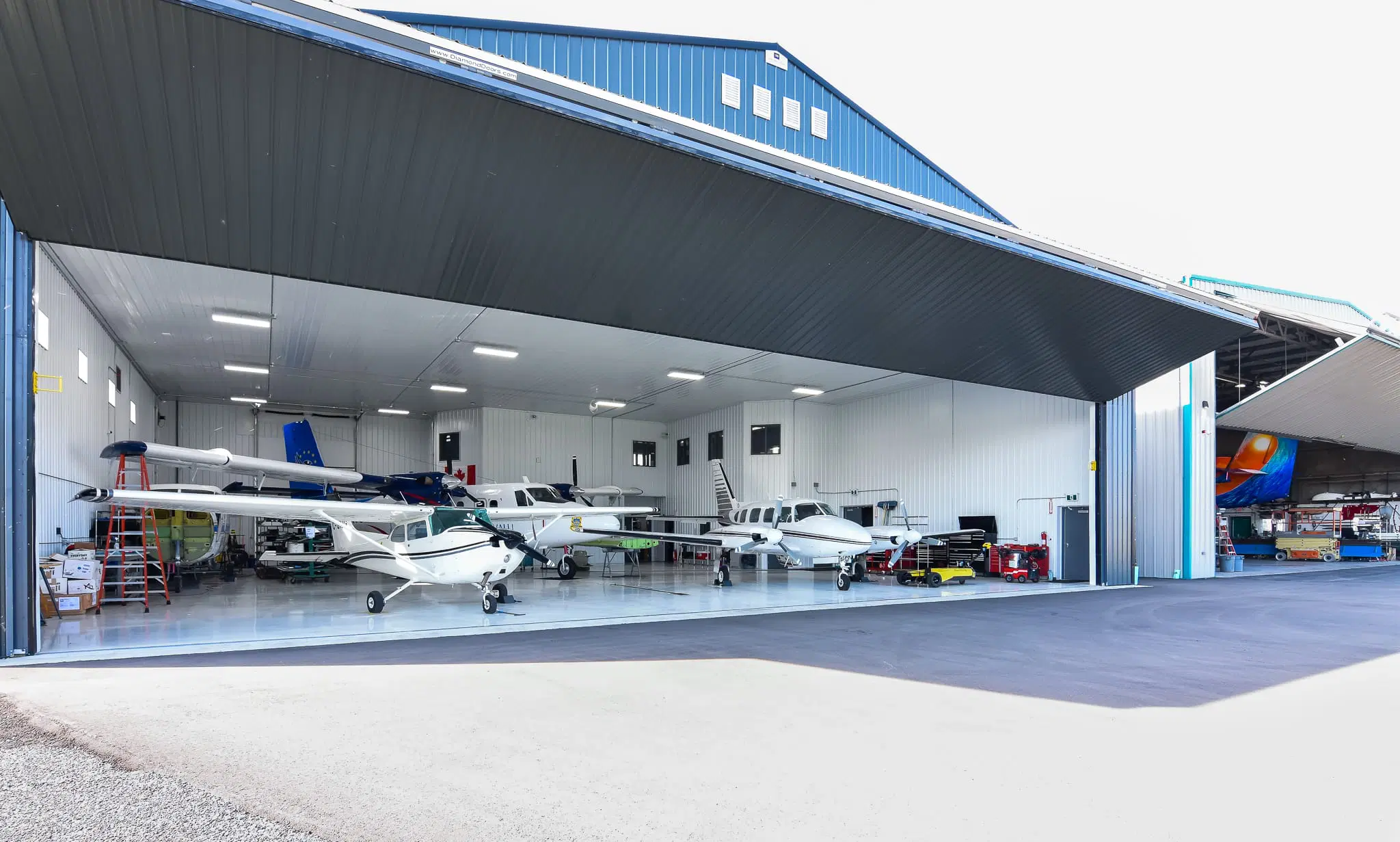
Airport Terminal & Aviation Facility Roofing in El Paso, TX
Airport Terminal & Aviation Facility Roofing in El Paso, TX roof work is planned around heat exposure, drainage paths, rooftop equipment, and operating hours that affect access and disruption.
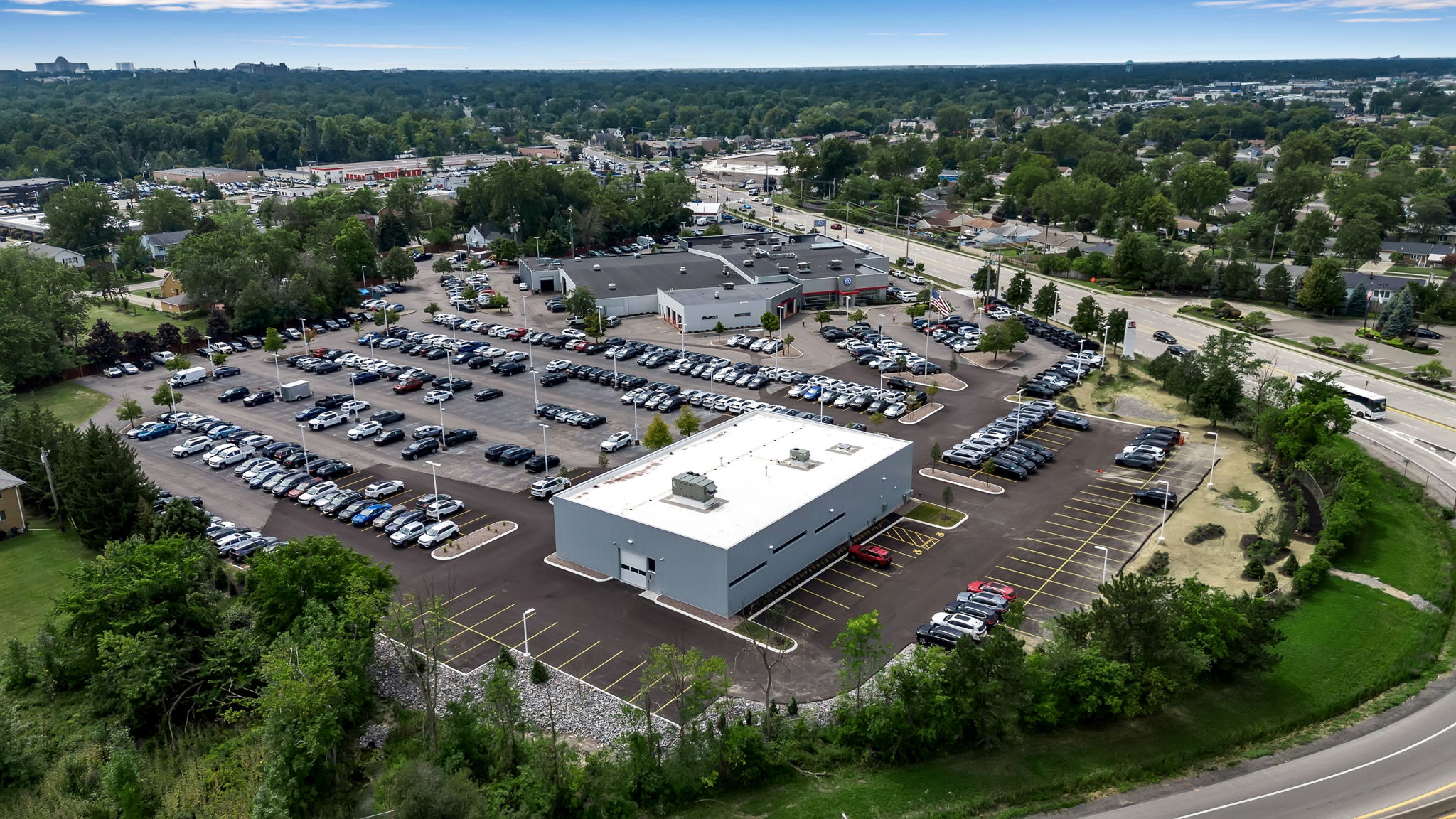
Auto Dealership Roofing
Auto Dealership Roofing roof work is planned around roof access, tenant timing, rooftop equipment, and operating hours that affect access and disruption.
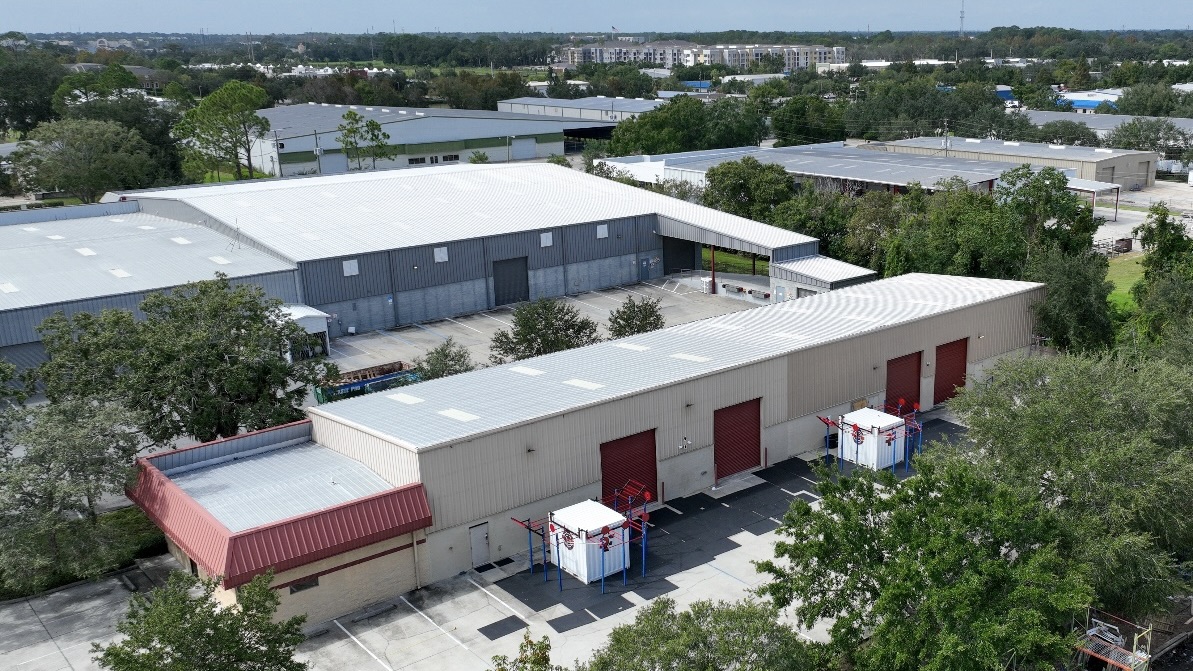
Commercial Roof Inspection in El Paso, TX
Commercial Roof Inspection in El Paso, TX starts with storm history, repair records, and drainage paths so the recommendation is tied to what the roof is showing.