
Commercial Roof Insurance Claim Assistance in El Paso, TX
A roofing contractor's documentation, roof-walk photos, and a written scope so your commercial roof claim reflects what the roof actually needs, not a guess from the ground.
Why the Documentation Matters Before the Adjuster Shows Up
A hailstorm cell off the Franklin Mountains, a straight-line wind event ahead of a monsoon front, or slow-building UV fatigue on a twenty-year-old membrane can all end the same way: an owner or property manager calling their carrier and hoping the adjuster's roof walk catches everything. It rarely does on its own. Adjusters cover a large territory and a single roof visit, often without a lift or without pulling back gravel-surfaced BUR to check the deck underneath. We are a working commercial roofing contractor, not a public adjuster, we don't file your claim or negotiate with your carrier, but we do the roof-level work that makes a claim defensible: photographs of every affected section, moisture readings where membrane integrity is in question, measurements of hail bruising or displaced flashing, and a written scope that lists what a complete repair actually requires.
What We Document on the Roof
Every El Paso commercial roof carries its own history, a warehouse near the Zaragoza-Ysleta port corridor with a decade of dust intrusion in the drains, a Fort Bliss-adjacent support building with a mechanically attached TPO system, a downtown office roof with built-up asphalt patched more than once. Before we talk about a claim, we walk the roof and record what's there: membrane type and age, seam and lap condition, edge metal and coping, curb and penetration flashing, drain and scupper function, and any interior evidence of a leak. If hail bruising, torn membrane, creased metal panels, or granule loss from wind-driven debris shows up, it goes into the file with photos and measurements, not a verbal estimate.
That documentation matters most on low-slope commercial roofs, where storm damage is often invisible from a parking lot or a drive-by. A residential shingle roof shows hail hits from the street. A TPO or modified bitumen roof over a big-box retail store or a manufacturing building does not, you have to be standing on it. That's the gap our roof walk closes before the adjuster's own inspection or alongside it.
Meeting the Adjuster on the Roof
When the schedule allows, we meet the adjuster on-site so the roof conversation happens with both parties looking at the same conditions at the same time. We point out what our inspection found (a section of blistered membrane, a run of loose fasteners, a drain that's been backing up under a ponding area) and we let the adjuster do their own assessment. We are there to make sure real conditions on the roof are seen and recorded, not to argue coverage or dispute the carrier's findings. That distinction matters: our role is roof evidence, not claims advocacy.
Writing a Scope That Covers the Full Repair
A roof estimate that only prices the visible damage often misses what a proper repair requires under current building code, matching membrane where a partial replacement isn't available in the original color or gauge, bringing edge securement up to current wind-uplift standards, or replacing wet insulation that won't show up until the deck is opened. Our scope lists each of these items separately, with the roof condition that supports it, so the estimate reflects the complete, code-compliant repair rather than a patch that reopens the same leak in a year. We call this a complete and accurate scope, not a maximized payout, and not a guarantee of what a carrier will approve.
Denied or Underpaid Claims
If a claim comes back denied or the approved scope is thinner than the roof condition supports, we can re-inspect and add anything the first pass missed, additional bruised areas, a drainage defect, deck damage found once material is pulled back. That updated documentation is yours to bring back to your adjuster, agent, or carrier. We're your roofing contractor, not a public adjuster, we document and substantiate the roof damage so you and your adjuster work from an accurate scope, and what happens with the claim itself is between you and the carrier.
Working Around an Occupied Building
Most commercial roof claims involve a building that has to keep operating, a distribution center running dock doors all day, a school with classrooms below, a medical office with patients on site. We plan the roof walk, any temporary dry-in, and any interim repairs around your operating hours, tenant notices, and access rules, so the claims process doesn't force a shutdown that wasn't necessary.
Questions About Commercial Roof Insurance Claims
Does insurance cover roof replacement, or just repair?
That depends on your policy and the extent of the damage. Our documentation shows the actual condition of the roof, including whether repair can realistically restore it or whether the damage is extensive enough that a section or the full roof needs replacement, so that conversation is grounded in field evidence.
What's the difference between what you do and what a public adjuster does?
A public adjuster is licensed to represent you in negotiating the claim with your carrier. We are not licensed adjusters and don't do that. We inspect the roof, document conditions, and provide a contractor's scope. Many owners use both, our roof documentation and a public adjuster's claim expertise, depending on the size and complexity of the loss.
How soon after a storm should I get a roof inspection?
Sooner is better, particularly after hail or high wind, since some damage (torn flashing, lifted membrane edges) can allow water intrusion that gets worse with each rain event. An early inspection also creates a documented timeline close to the storm date.
Will you guarantee my claim gets approved?
No. We can't and won't promise a claim outcome, that's between you and your insurance carrier. What we guarantee is thorough, honest documentation of the roof's actual condition.
Do you work with property managers on multi-building portfolios?
Yes. We can inspect and document multiple roofs on the same visit schedule and keep the paperwork organized by building for portfolios that are filing more than one claim after the same storm event.
Related Roof Paths
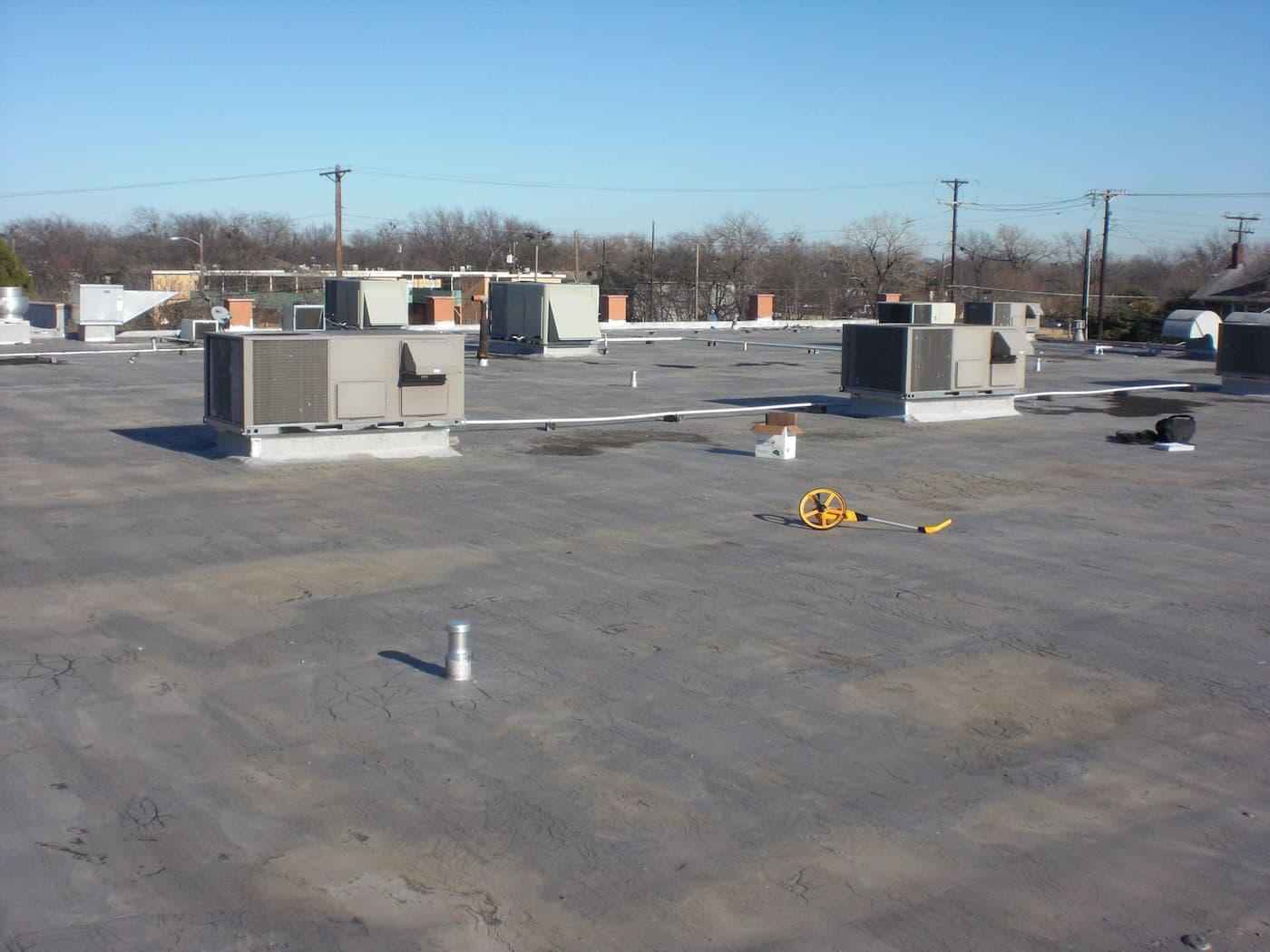
Hail Damage Roof Insurance Claims in El Paso, TX
Hail Damage Roof Insurance Claims documentation for Franklin Mountains-adjacent storm cells, with photo evidence tied to what the roof is showing.
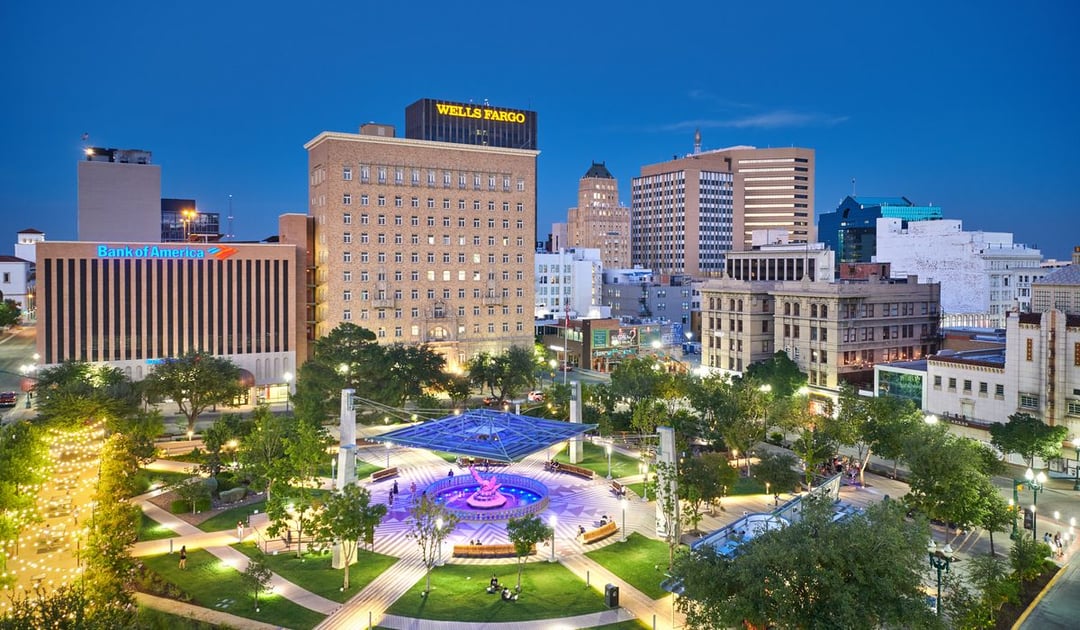
Monsoon Storm Roof Insurance Claims in El Paso, TX
Monsoon Storm Roof Insurance Claims documentation for wind-driven rain and drainage failure so the claim file matches what the roof is showing.
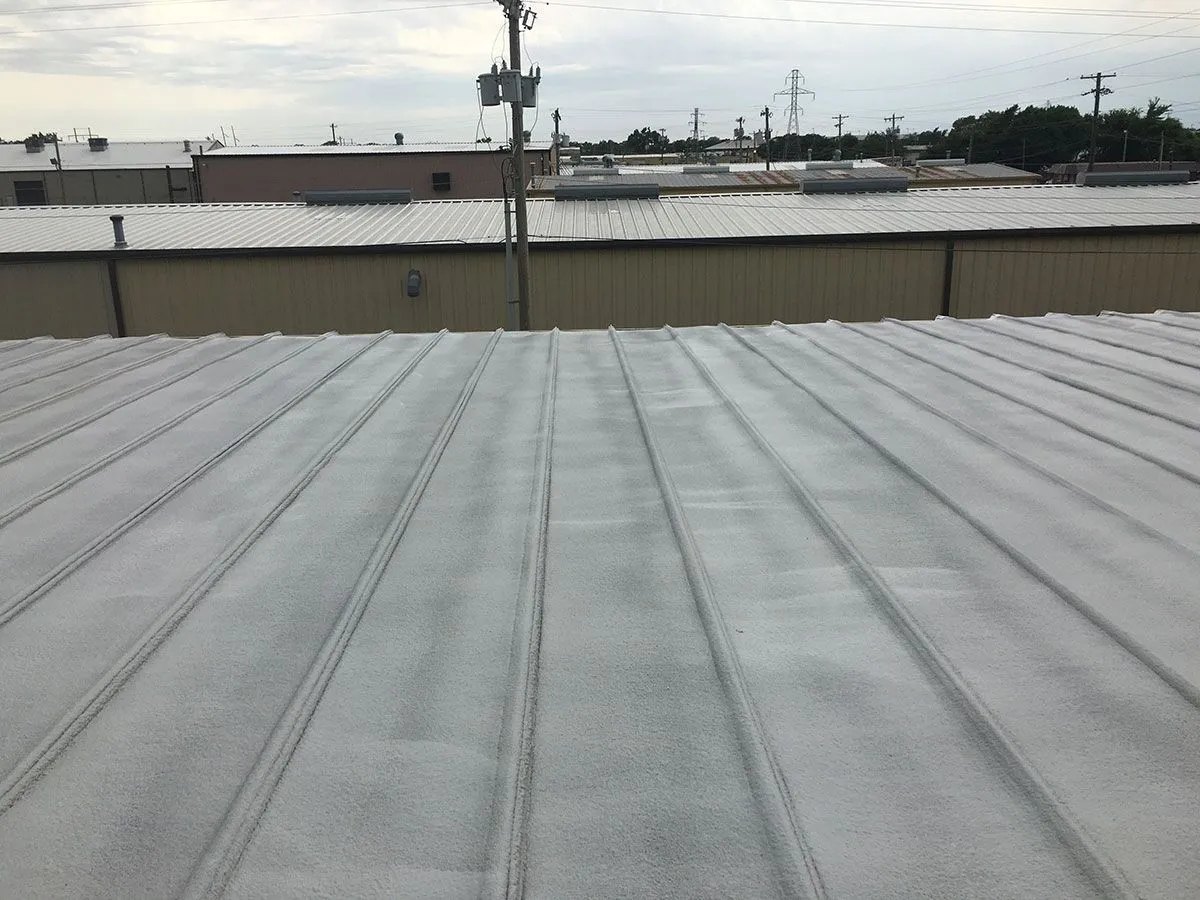
Insurance Claim Coordination in El Paso, TX
Insurance Claim Coordination in El Paso, TX starts with roof evidence and access planning so the recommendation is tied to what the roof is showing.
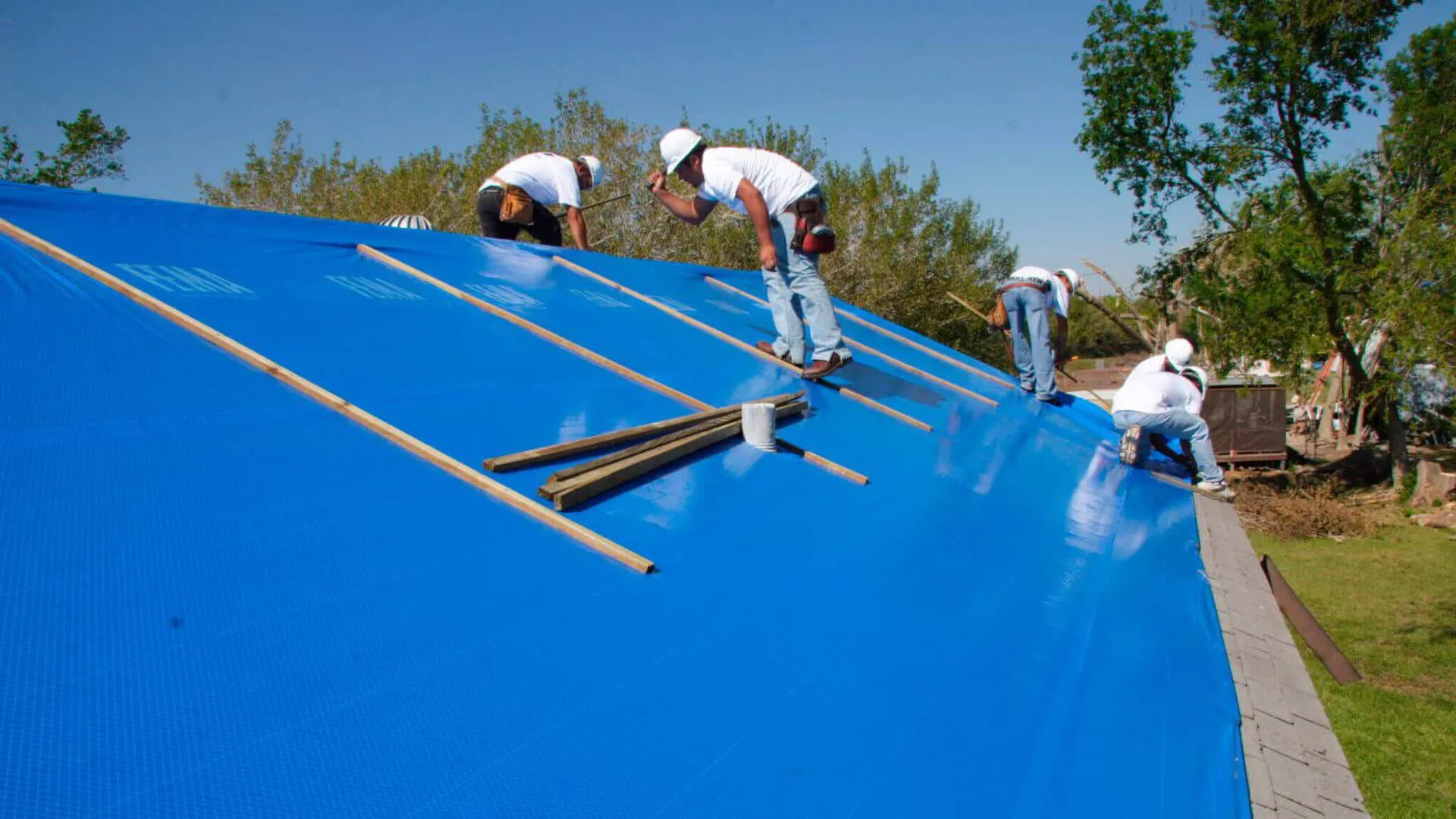
Storm Damage Roof Repair in El Paso, TX
Storm Damage Roof Repair in El Paso, TX starts with tenant timing, storm history, and heat exposure so the recommendation is tied to what the roof is showing.