
Hail Damage Roof Insurance Claims in El Paso, TX
Roof-level documentation of hail bruising, dented metal, and cracked membrane after a Franklin Mountains-adjacent storm cell, so your claim is backed by field evidence.
El Paso Hail Is Real, and It's Often Missed From the Ground
El Paso doesn't get hail on the same schedule as North Texas, but the storm cells that build over the Franklin Mountains and push out across the valley can throw down hail hard enough to dent HVAC housings, crack skylights, and bruise membrane on a flat commercial roof. Because most of the city's commercial roof stock is low-slope (TPO, modified bitumen, built-up asphalt, EPDM) the damage doesn't show up the way it does on a sloped shingle roof visible from the street. An owner or property manager can drive past a warehouse near Butterfield Trail or an office building downtown and see nothing wrong, while the roof itself has dozens of bruised or fractured spots.
What Hail Actually Does to a Low-Slope Roof
Hail impact on a single-ply membrane compresses the material at the strike point. On a newer, more flexible membrane it may only leave a faint mark; on an older, UV-brittled membrane, the same hit can crack the surface or knock granules loose on a granulated cap sheet. On built-up and modified bitumen systems, hail can fracture the surfacing and expose the felt layers underneath to UV and moisture. Metal components take a more visible hit, dented rooftop unit housings, curb caps, gutter and downspout runs, edge metal, and standing seam or R-panel roofing all show dimples and dings that a trained eye can spot but a ground-level look will miss entirely.
Our Roof Walk After a Hail Event
After a reported hailstorm, we walk the roof section by section and photograph every strike zone: membrane bruising, granule displacement, dented metal, cracked pitch pockets, damaged skylight domes, and any rooftop equipment showing impact marks. We measure hail size where marks allow and note the density of hits per section, since adjusters look at both severity and pattern to distinguish hail damage from routine wear. We also check drains and scuppers for granule buildup that can indicate active surface damage upstream. Everything goes into a written file with photos, not a verbal summary.
Meeting Your Adjuster With the Roof Already Documented
When timing allows, we meet the adjuster on the roof and walk the same sections we've already photographed. We point out the strike patterns and the specific systems affected (membrane, metal, penetrations, equipment) and let the adjuster do their own assessment alongside ours. We are not there to argue coverage decisions. We're your roofing contractor, not a public adjuster, we document and substantiate the roof damage so you and your adjuster work from an accurate scope of what the hail actually did.
Writing the Repair Scope
Hail damage scopes get complicated fast because a partial repair on an aging membrane often can't match the existing material exactly, and current code may require upgraded edge securement or insulation when a section is opened. Our scope lists each affected roof section, the type of damage found, and what a code-compliant repair requires, not a padded estimate, but a complete and accurate accounting of what the hail event actually caused so nothing legitimate gets left out of the claim.
If the Claim Comes Back Short
If an initial estimate doesn't match what we documented on the roof (missed sections, undercounted hail density, or an assumption that repair will match existing material when it won't) we can re-inspect and add the missing findings in writing. That goes back to you to share with your adjuster or carrier; we don't handle the negotiation ourselves.
Questions About Hail Claims on El Paso Commercial Roofs
How soon after a hailstorm should the roof be inspected?
As soon as reasonably possible. Some carriers have filing windows, and hail-bruised membrane can start leaking well before it's obvious, so an early inspection protects both the claim timeline and the building.
Does one hail hit justify a full roof replacement?
Not usually on its own. The decision depends on the density of strikes, the roof's age and remaining service life, and whether repair can realistically restore the membrane. Our documentation gives you the field evidence to have that conversation with your adjuster.
Can you tell hail damage apart from normal wear?
Yes, that's a core part of the inspection. Hail creates distinct impact patterns (clustered dimples, cracked surfacing at a point of impact, dented metal) that differ from the gradual, even wear a roof shows from age and UV exposure.
Do you inspect rooftop equipment too, or just the membrane?
Both. HVAC housings, curb caps, vent stacks, and skylights all take hail hits and belong in a complete roof damage record alongside the membrane itself.
What if my roof is older and already near the end of its service life?
We document what the hail event added on top of existing wear. Carriers evaluate age and pre-existing condition as part of the claim, and an honest, itemized record helps separate storm damage from prior deterioration.
Related Roof Paths

Commercial Roof Insurance Claims in El Paso, TX
Commercial Roof Insurance Claims documentation and adjuster meetings so the estimate is tied to what the roof is showing.

Monsoon Storm Roof Insurance Claims in El Paso, TX
Monsoon Storm Roof Insurance Claims documentation for wind-driven rain and drainage failure so the claim file matches what the roof is showing.
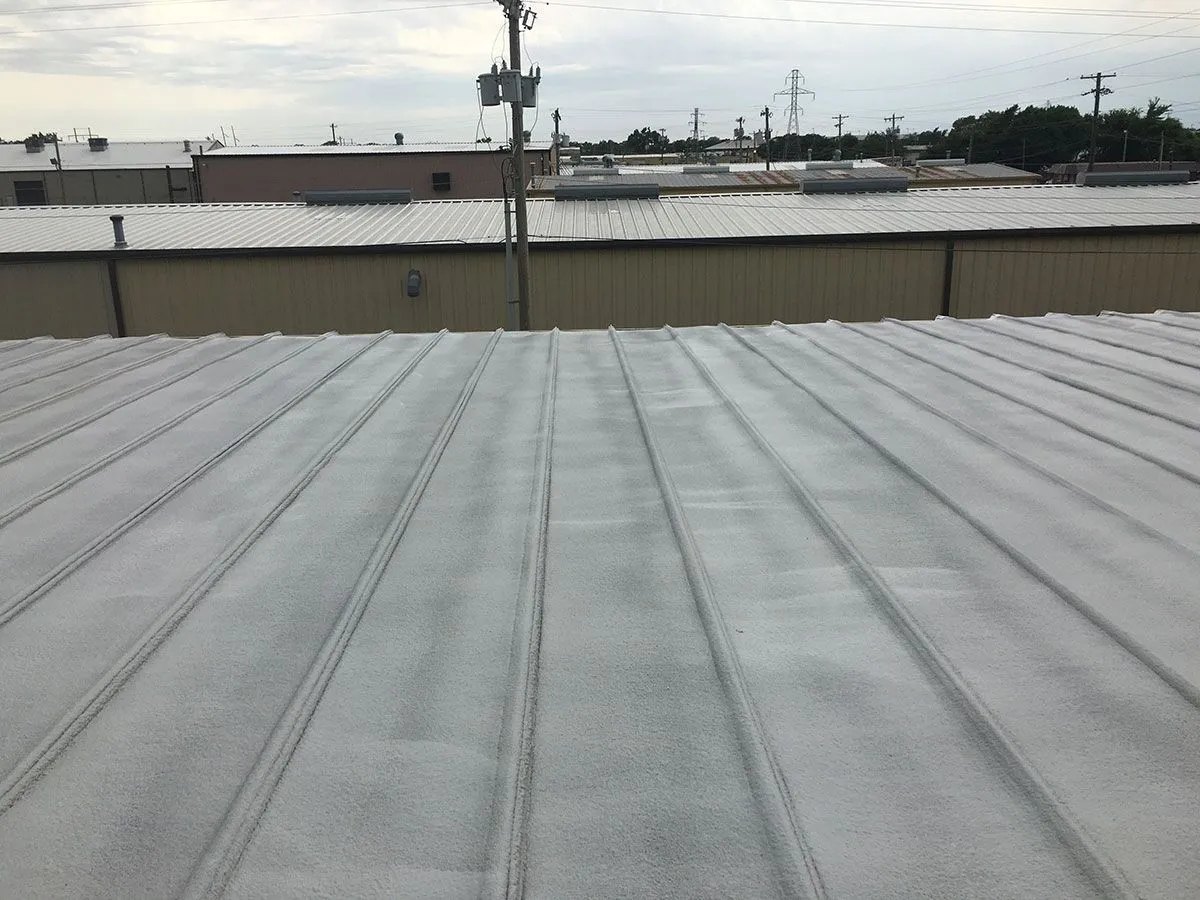
Insurance Claim Coordination in El Paso, TX
Insurance Claim Coordination in El Paso, TX starts with roof evidence and access planning so the recommendation is tied to what the roof is showing.
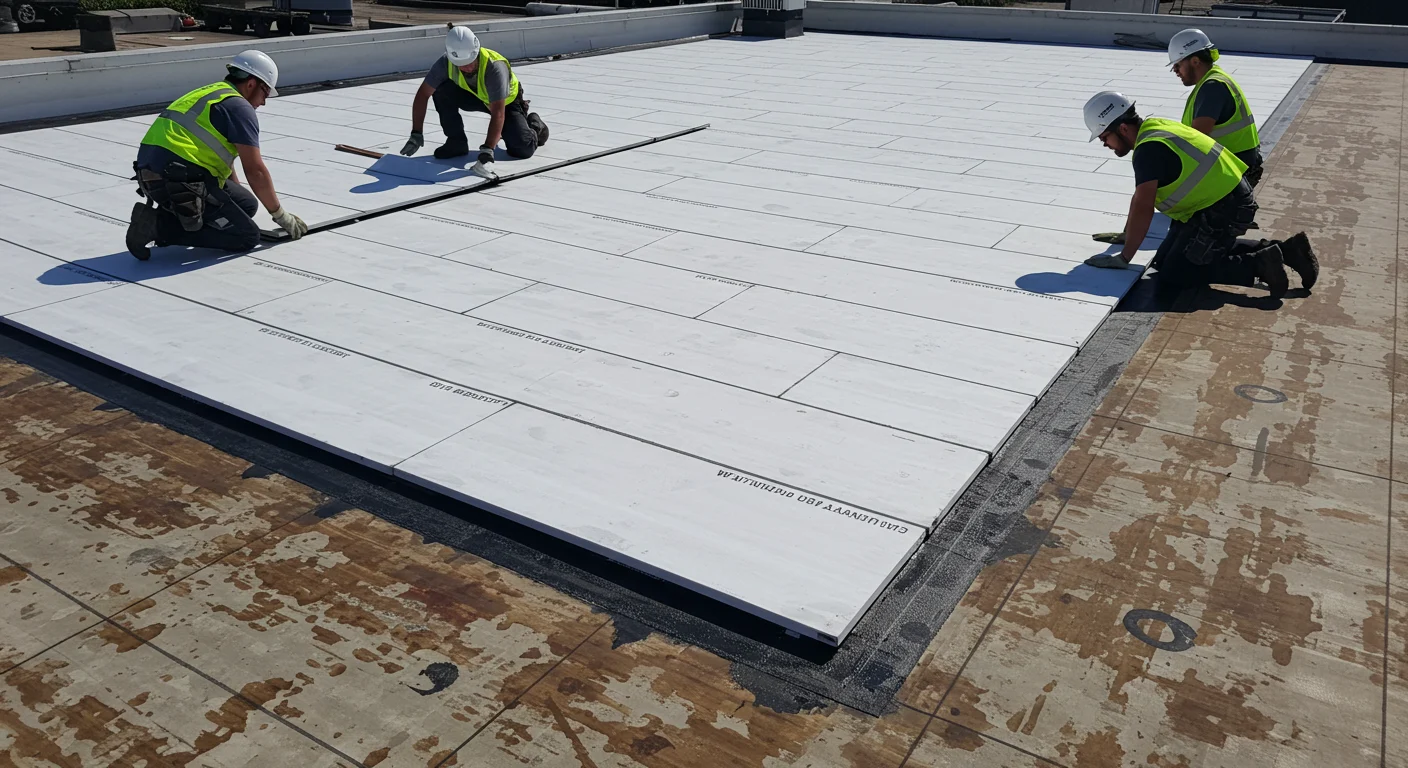
Roof Tear-Off and Replacement in El Paso, TX
Roof Tear-Off and Replacement in El Paso, TX starts with membrane age, equipment clearances, and roof access so the recommendation is tied to what the roof is showing.