
Monsoon Storm Roof Insurance Claims in El Paso, TX
Documentation for wind-driven rain, dust-front microbursts, and drainage failure on flat commercial roofs during El Paso's July-through-September monsoon season.
The Borderland Monsoon Hits Roofs That Aren't Built for It
El Paso spends most of the year dry, then from July through September the monsoon pattern rolls in, moisture pushing up from Mexico meets desert heat and produces sudden, hard downpours, often preceded by a wall of wind-blown dust and followed by flash flooding in low-lying streets. For a flat commercial roof, that pattern is a stress test the rest of the year doesn't apply. Drains and scuppers that sat dry and dusty for months suddenly have to move a large volume of water fast, and any weak point in membrane laps, flashing, or edge metal gets found by wind-driven rain instead of a slow, gentle soak.
Wind-Driven Rain and Microburst Gusts
Monsoon storms in the El Paso area frequently bring outflow winds and localized microbursts, sudden downdrafts that hit with a burst of straight-line force over a limited area. On a low-slope roof, that kind of gust can lift membrane edges, tear loose mechanically fastened panels, and drive rain sideways under laps, terminations, and counterflashing that were only ever designed to shed water falling straight down. The result is often a leak that appears specifically during monsoon storms and stays dry the rest of the year, which can make the cause harder to pin down without someone on the roof documenting conditions during or right after an event.
Drainage Failure Is Part of the Damage Picture
Dust accumulation is the quiet setup for a lot of monsoon roof damage. Roof drains, scuppers, and gutter runs that collect dust during the dry months can get overwhelmed the moment the first heavy monsoon rain hits, sending debris downstream into the drain body and causing standing water to pond faster and deeper than the roof's design assumes. On a warehouse roof near the port-of-entry logistics corridor or a large-footprint retail roof, that ponding can sit for hours after the storm passes, adding weight and prolonging exposure at any already-weakened seam or penetration. We treat drain condition as part of the storm event, not a separate maintenance issue, because the two are connected.
What We Document After a Monsoon Event
Following a monsoon storm or a reported microburst, we walk the roof and record wind-related damage (lifted or torn membrane edges, displaced flashing, damaged counterflashing, dislodged rooftop equipment covers) alongside drainage evidence: standing water depth and location, debris packed in drains and scuppers, and any interior ceiling staining that maps back to a specific roof section. We photograph and measure each finding and note the storm date and conditions where they're known, since adjusters weigh both the wind event itself and the roof's drainage performance under it.
Meeting the Adjuster With Field Evidence Ready
When schedules line up, we walk the roof with the adjuster and point out the sections our inspection flagged (lifted laps, torn flashing, ponding areas, blocked drains) so the conversation is grounded in what's actually on the roof rather than a guess from the parking lot. We're your roofing contractor, not a public adjuster, we document and substantiate the roof damage so you and your adjuster work from an accurate scope, and the coverage decision stays with your carrier.
A Scope That Covers Drainage Along With the Leak
A monsoon-related repair scope that only patches the point where water came through can leave the drainage defect that caused the failure untouched, which invites the same leak in the next storm. Our estimate lists membrane repair or replacement alongside any drain, scupper, or slope correction the roof needs, so the full cause of the loss is addressed, a complete and accurate scope, not a padded one.
Questions About Monsoon and Microburst Roof Claims
Can a single monsoon storm cause enough damage to justify a claim?
Yes, particularly if a microburst gust accompanied the rain. A single high-wind event can tear membrane, displace flashing, and dislodge equipment covers in a way that's clearly distinguishable from gradual wear.
How do you tell monsoon wind damage apart from age-related wear?
Wind damage typically shows as a torn, lifted, or displaced condition concentrated at edges, laps, and terminations, often in a pattern consistent with wind direction. Age-related wear tends to be more uniform across the membrane. We document both so the distinction is clear in the file.
Should I file a claim if the roof only shows ponding, not an active leak?
Ponding after a monsoon storm is worth documenting even without an active leak, since prolonged standing water accelerates membrane and seam deterioration and can point to a drainage defect that's worth addressing before it becomes a leak claim later.
Does dust in the drains count against a claim?
We document drain condition honestly as part of the overall picture. Routine dust accumulation between storms is a maintenance factor; how the drainage system performed during the specific storm event is what we focus the claim documentation on.
How fast can you get on the roof after a monsoon storm?
We prioritize storm-damage inspections and try to get on the roof as soon as conditions and access allow, since interior evidence and standing water are easiest to document while they're still fresh.
Related Roof Paths

Commercial Roof Insurance Claims in El Paso, TX
Commercial Roof Insurance Claims documentation and adjuster meetings so the estimate is tied to what the roof is showing.
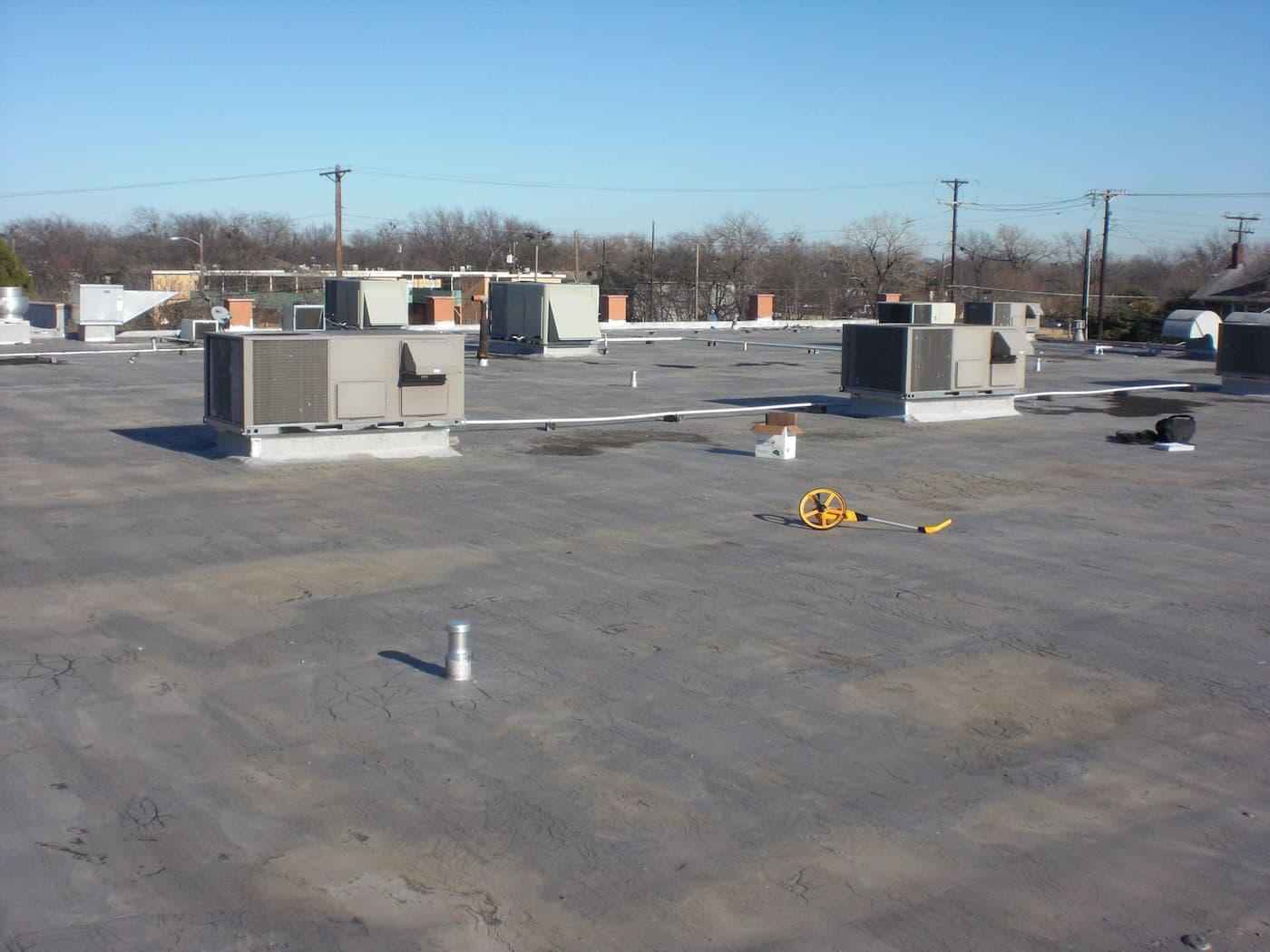
Hail Damage Roof Insurance Claims in El Paso, TX
Hail Damage Roof Insurance Claims documentation for Franklin Mountains-adjacent storm cells, with photo evidence tied to what the roof is showing.
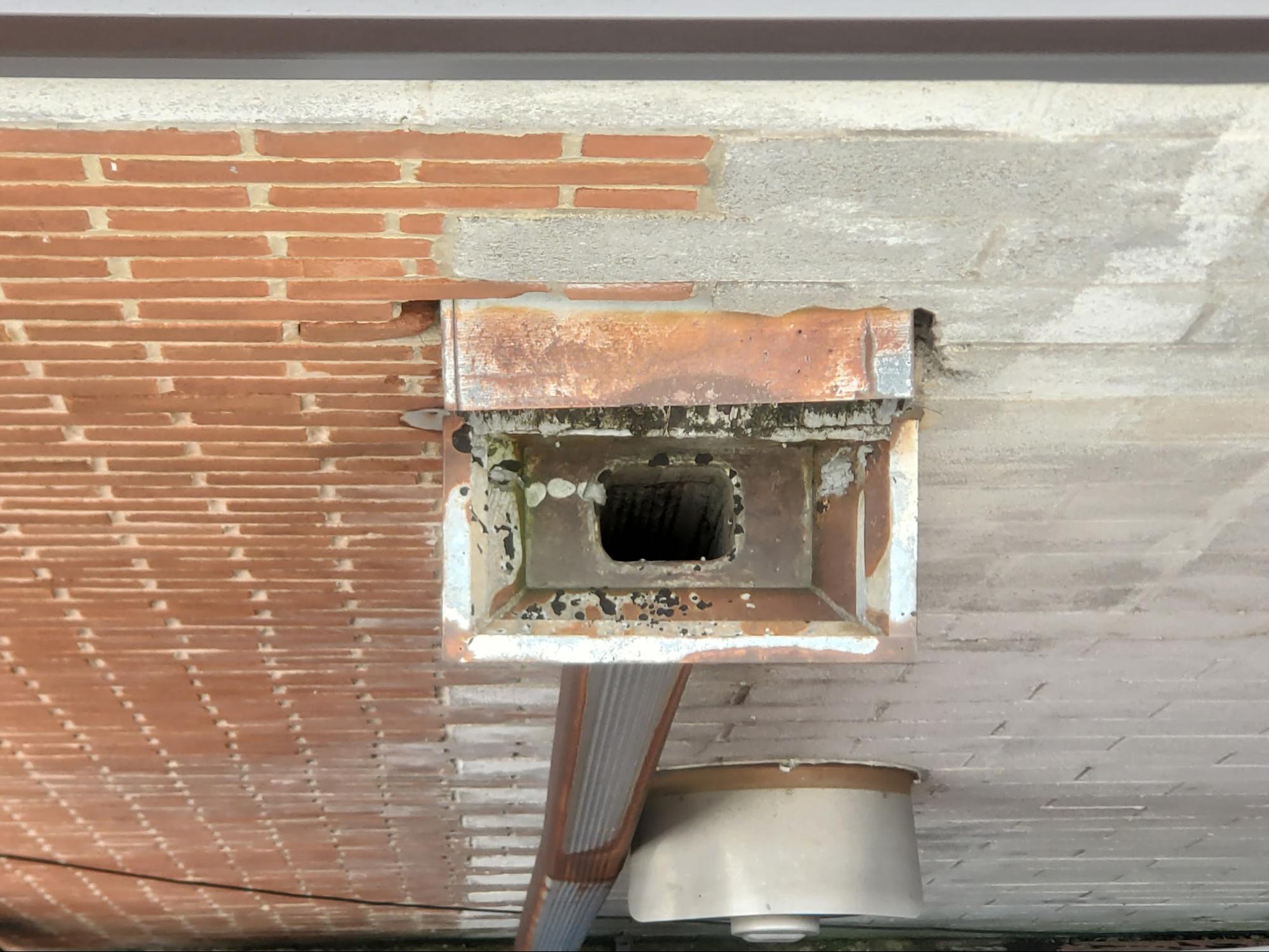
Roof Drains and Scuppers in El Paso, TX
Roof Drains and Scuppers in El Paso, TX starts with drainage paths and storm history so the recommendation is tied to what the roof is showing.
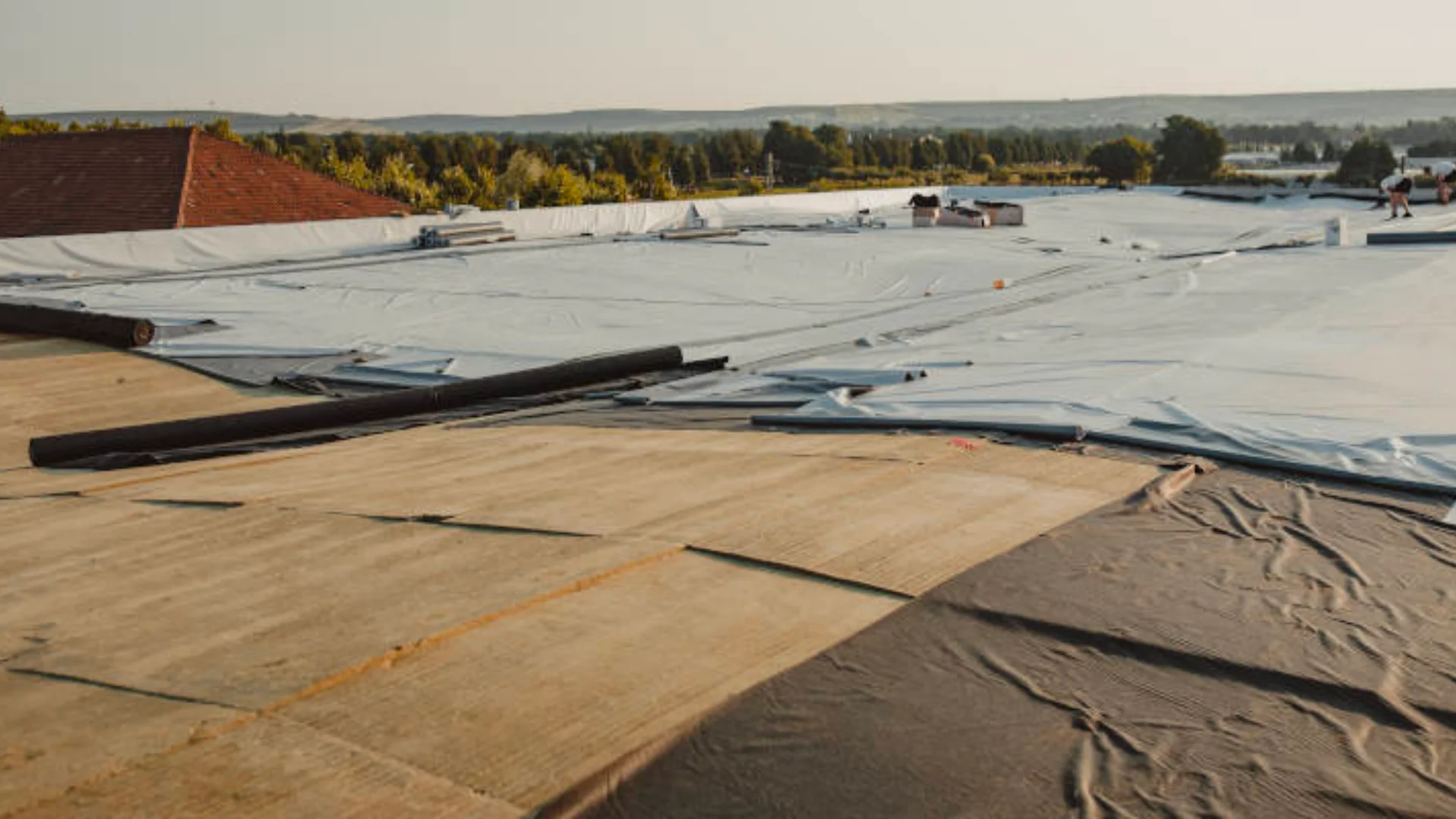
Emergency Tarp and Dry-In in El Paso, TX
Emergency Tarp and Dry-In in El Paso, TX starts with active leak protection so the roof stays sealed while the claim and repair scope come together.